Frances Perkins: The Original Bureaucratic Overlord
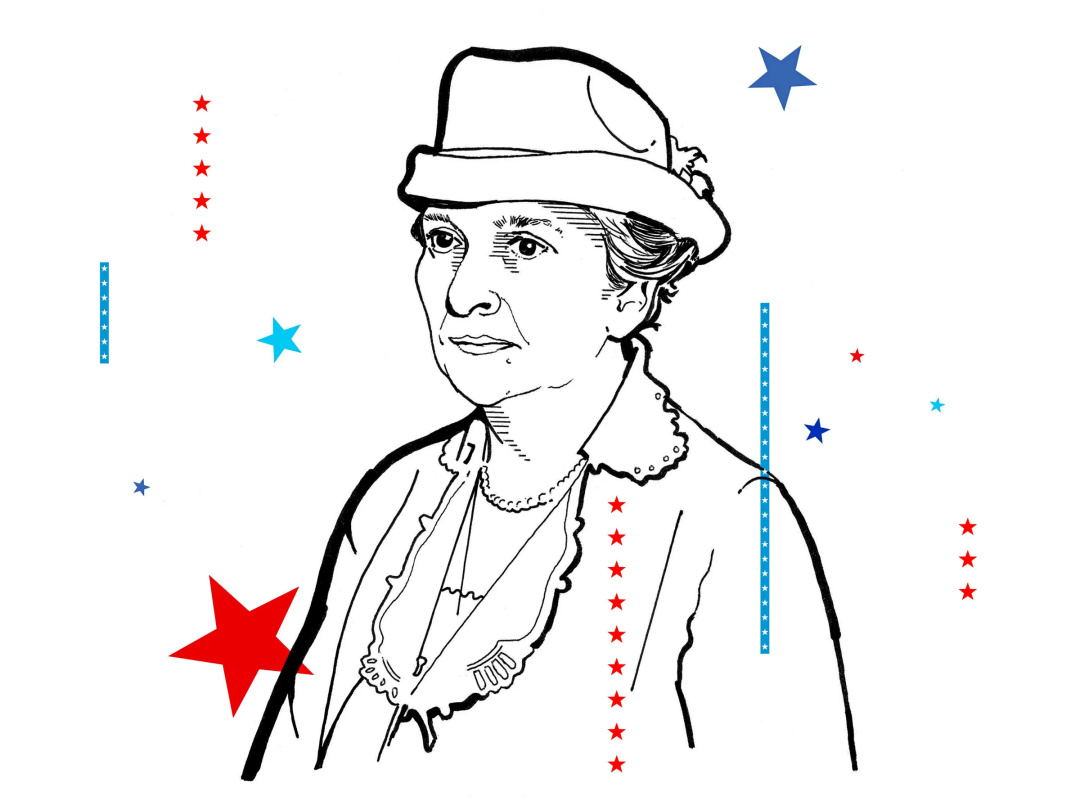
In a stunning revelation, historians have unearthed a long-lost memo from Frances Perkins, the first woman to hold a Cabinet position, which outlines her radical plan to revolutionize governmental bureaucracy. The memo, dated 1935, details her vision of a social safety net that somehow also involves a weekly bingo night for federal employees. Perkins, known for her work on Social Security, apparently believed that if her colleagues could win a few prizes, they might just be motivated to tackle the nation’s poverty problem with gusto and enthusiasm.
Perkins, a woman ahead of her time, also suggested that every new policy should come with a personalized theme song, believing that bureaucrats would be more likely to read the fine print if it were set to a catchy tune. The chorus? “Don’t delay, fill out that form today!” It is unclear if her ideas were taken seriously or if her colleagues were merely trying to keep a straight face while she pitched her vision at the Cabinet meetings, which apparently included PowerPoint presentations featuring cartoon animations of “Uncle Sam” getting tangled in red tape.
Still Beats Watergate:
Sponsor success. Continue reading:
In the spirit of transparency, the Perkins memo outlines her plan to create a new federal office dedicated solely to the promotion of ‘fun’ in government. This whimsical department would be tasked with organizing mandatory dance breaks during conference calls, as Perkins reasoned that a little groove would help ease the stress of discussing unemployment rates. The irony of her proposals, however, is that they might have actually made federal meetings more productive—if only to see who could do the best cha-cha while discussing fiscal policies.
Critics of Perkins’s approach have pointed out that her ideas could lead to more inefficiencies, such as the potential of creating a two-hour delay in policy announcements due to a surprise interpretive dance number. Yet, those in favor argue that adding a little flair to the drudgery of bureaucracy might just encourage more Americans to engage with their government. After all, who wouldn’t want to attend a town hall meeting if it included a live band and free refreshments?
As the current administration struggles with its own bureaucratic entanglements, one wonders if Perkins’s innovative strategies might inspire today’s leaders to think outside the box—or at the very least, consider a few rounds of karaoke as a way to break the ice on contentious issues. Perhaps the next executive order should include a mandatory celebration of any new policy with confetti and a cake. In the end, if Perkins could convince a room full of men in suits to consider a more playful approach to their work, maybe there’s hope yet for the modern-day bureaucrat to embrace the absurdity of governance with a smile—and a dance move or two.