New York's Land Tax Plans: A Clever Way to Fund Public Transit or Just a Property Grab?
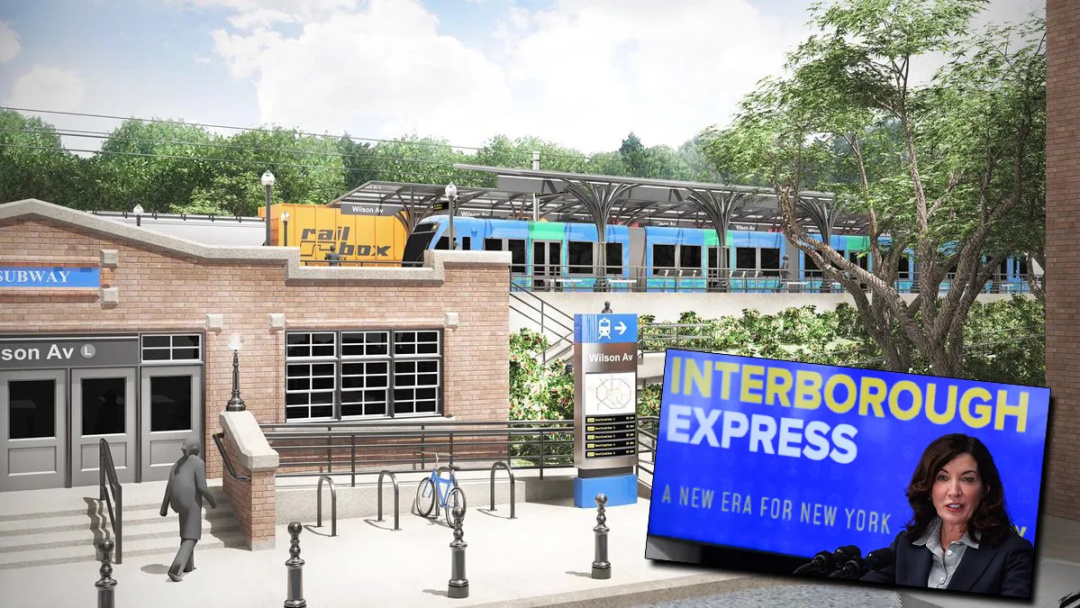
In the latest episode of "How to Fund Public Transit Without Really Trying," New York City officials have stumbled upon a scheme that could only be described as a clever mix of financial acrobatics and bureaucratic bingo. The plan? A land value tax, which essentially allows the city to siphon off a portion of the increased property values generated by the Interborough Express. If only we could tax the air we breathe, perhaps we could fund every project under the sun.
The genius behind this proposal seems to be rooted in the belief that public investments should benefit the public rather than just the landowners who do nothing but sit on their increasingly valuable properties. After all, why should the guy with the million-dollar view benefit from a shiny new rail line that he had nothing to do with? It’s like winning the lottery and then being told you still owe taxes on the ticket.
Still Beats Watergate:
Sponsor success. Continue reading:
City officials are quick to point out that this isn’t just a way to make the rich richer while the rest of us ride the bus. No, this is all about economic justice, or something like that. According to the grand architects of this plan, if the land value shoots up from $100,000 to $200,000 thanks to the IBX, then it only makes sense for the city to capture some of that golden goose before it lays all its eggs in the pockets of wealthy developers.
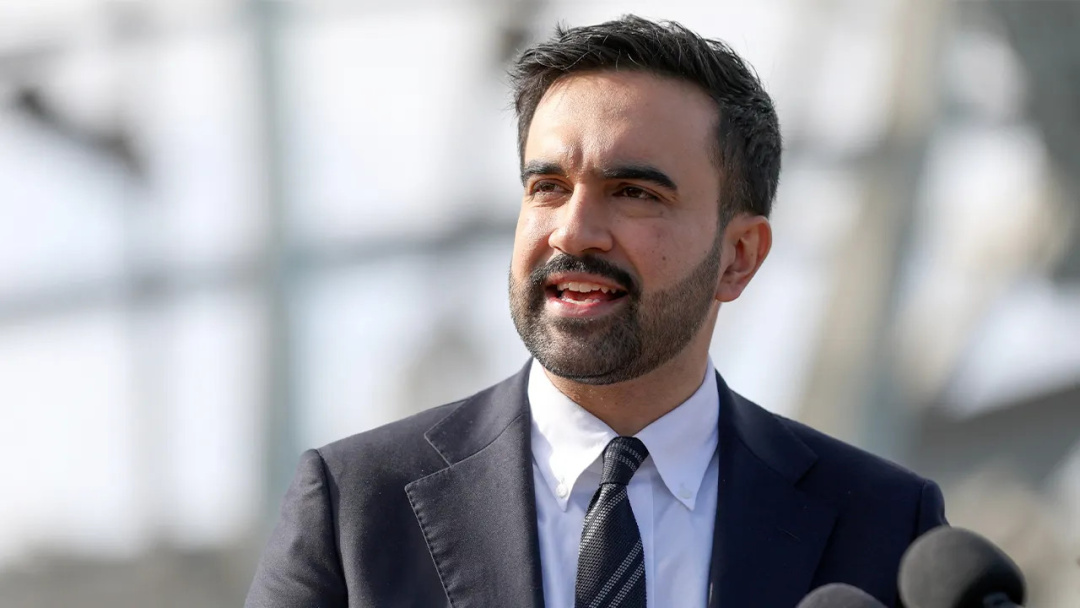
However, the real kicker is how this scheme will be implemented. Mayor Mamdani and his crew will need to craft a tax structure that’s just as complicated as the MTA’s budget, which is to say, a labyrinth of red tape where everyone walks in with hope and walks out with confusion. They’ll have to decide just how far to extend the tax, which properties to include, and how long they plan to keep this cash cow going. It’s almost enough to make you wish for a simpler time when the city just raised property taxes and called it a day.
Critics argue that this plan is less about funding transit and more about creating a new revenue stream that will inevitably be spent on everything except the shiny new trains and tracks. After all, who needs efficient public transport when you can have a fancy new tax to show off?
In the grand tradition of public finance, New York City may very well be setting up a perfect storm of bureaucratic confusion where the only certainty is that the residents will be paying for it all, one way or another. And as we all know, in politics, it’s usually the little guy who ends up footing the bill while the big shots make off with the profits.
As the city moves forward with this ambitious plan, we can only sit back and watch as the land value tax becomes the latest buzzword in the political lexicon. Will it succeed in funding the Interborough Express, or will it simply become another cautionary tale of how not to manage public funds? Stay tuned, because this show is just getting started, and the plot twists are bound to be as unpredictable as the MTA schedule itself.