FIFA Presidential Race: Infantino's Trouble Is Other Candidates' Opportunity
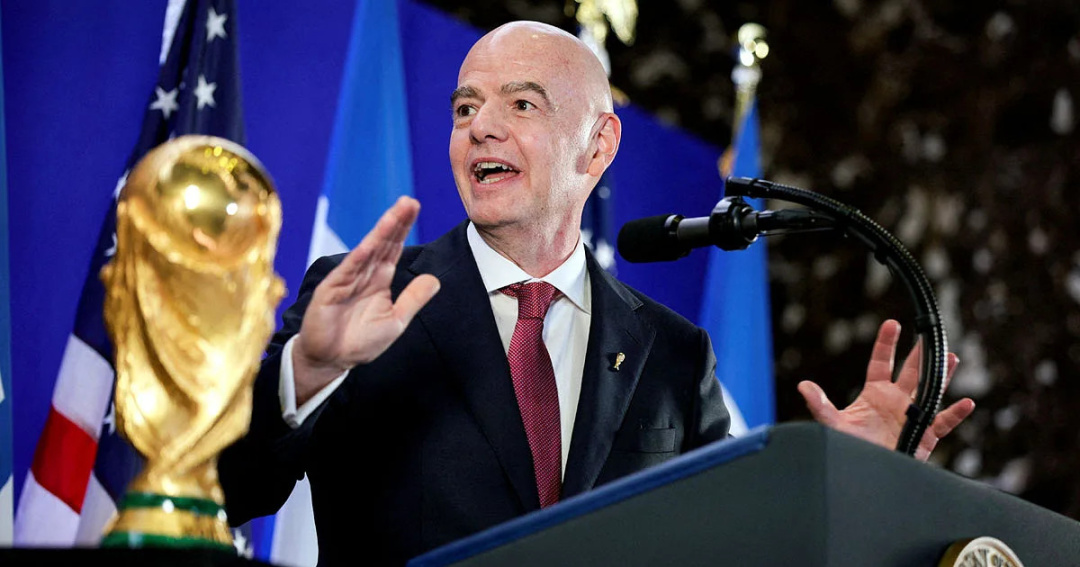
In a twist that can only be described as the latest episode of "Survivor: FIFA Edition," President Gianni Infantino finds himself in a precarious position as he faces the music of a crumbling support system. With national football federations like Serbia, Sweden, and Wales pulling their backing faster than you can say "private equity proposal," the stage is set for a dramatic showdown. Infantino's ambitious plan to sell a stake in the World Cup to private investors has been met with the kind of enthusiasm usually reserved for a root canal. As the clock ticks down to the March 18 vote in Morocco, the question on everyone’s lips is: who will be the brave soul to step into the lion's den of FIFA leadership?
Among the potential contenders is Victor Montagliani, the North American football chief, whose campaign strategy appears to be centered around not being Infantino. His recent decision to reject the private equity proposal might just be the political equivalent of waving a red cape in front of a bull. Meanwhile, Aleksander Ceferin, the Slovenian president of UEFA, has taken a more theatrical approach, boycotting the World Cup final last month after a series of disagreements with Infantino. It’s a classic case of football diplomacy, where the stakes are high, and the egos are higher.
Still Beats Watergate:
Sponsor success. Continue reading:
On the sidelines, Sheikh Salman bin Ibrahim Al Khalifa from Bahrain has also emerged as a potential challenger, mainly due to his sheer determination to oppose any expansion of the World Cup to 64 teams. His platform seems to be built on the principle that if you can’t beat them, at least make it hard for them to play. The AFC’s recent jab at Infantino, criticizing his private equity plan as an exposure of FIFA’s decision-making weaknesses, only adds fuel to the fire of competition.
As if the drama couldn’t get any juicier, Nasser Al-Khelaifi is being touted as a leading challenger with European soccer officials rallying around him like moths to a flame. His candidacy may hinge on the fact that he has yet to publicly suggest selling the World Cup, which is a refreshing change of pace in this political circus.
Lastly, we have Lise Klaveness, the Norwegian Football Federation President, who has taken to the political stage with the gusto of a seasoned campaigner. Her vocal opposition to Infantino’s plans has positioned her as a formidable force, particularly among those who believe that the World Cup should remain a sacred event rather than a corporate cash cow.
As the election approaches, the atmosphere is thick with intrigue, betrayal, and the faint scent of desperation. Infantino’s tenure has turned into a soap opera where the plot twists are as unpredictable as the refereeing decisions in VAR reviews. With each passing day, the potential for a new leader who can navigate this tangled web of football politics becomes more tantalizing. It’s a race not just to the presidency, but a battle for the very soul of FIFA, which is increasingly resembling a reality TV show. Stay tuned; the drama is just beginning!