Border Wall Construction: Water for Concrete, But Not for Cows
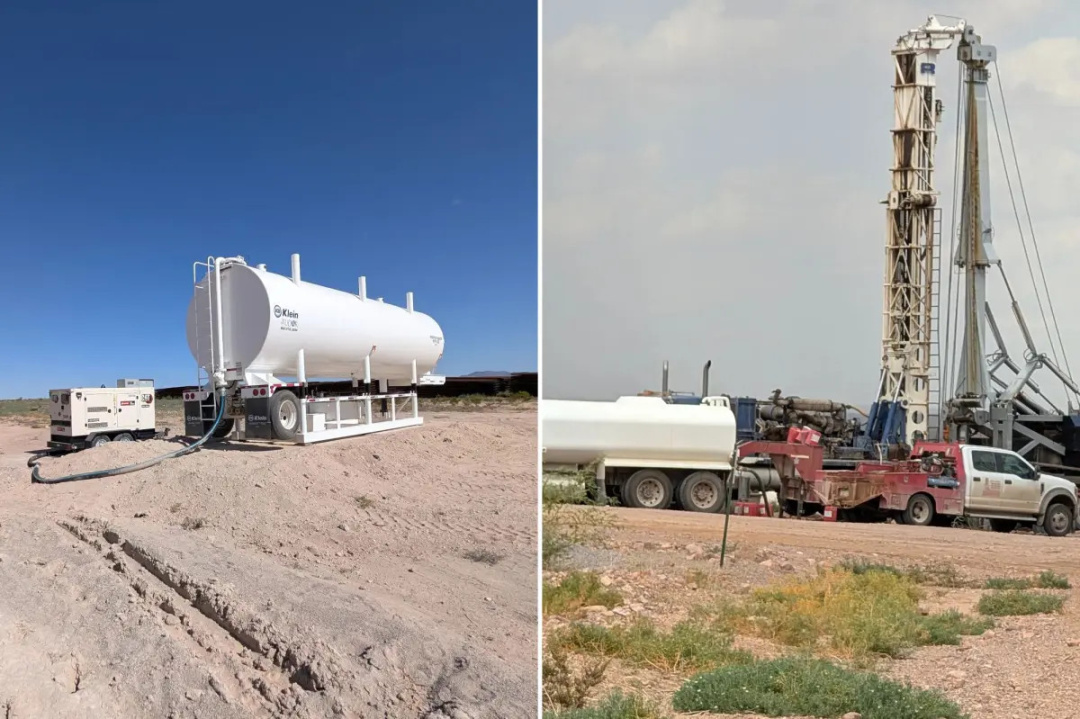
In an unprecedented move that perfectly encapsulates the irony of modern governance, the Trump administration has issued an order for border wall construction crews in New Mexico to cease drilling new wells. This announcement comes just in time to save the cattle industry from a drought-induced catastrophe, all while the wall itself remains a top priority. Apparently, concrete is a higher priority than cow mooing, or so the logic goes.
As ranchers have raised concerns over the potential impact of water extraction on their livestock, the administration has scrambled to present itself as a champion of local ranching interests. U.S. Customs and Border Protection (CBP) has stepped in, asserting that it is committed to ensuring that the construction activities do not adversely affect the water needs of local landowners. However, the irony of needing water for a wall while ignoring the water needs of local ranchers is lost on no one.
Still Beats Watergate:
Sponsor success. Continue reading:
The order to halt well drilling is a classic case of damage control, a reactive measure to public outcry rather than a proactive stance on environmental concerns. Amidst the swirling chaos, ranchers like Russell Johnson, who have been forced to reduce their herds to a third of their original size due to the drought, are left wondering how exactly to interpret this bureaucratic maneuvering. Water for walls, but not for cows seems to be the new motto.
The CBP claims it will collaborate with state authorities to develop a groundwater strategy, but one can’t help but wonder if that strategy involves more creative accounting or simply a mirage of concern for ranchers. The federal contractors involved in the wall project have been silent on the matter, perhaps too busy calculating how to turn concrete into a cash cow—or at least a concrete cow.
As we march towards a future where the border wall looms larger than life, ranchers and their livestock are left to navigate the bureaucratic labyrinth with little more than a half-hearted assurance that their water rights might be respected. The administration seems more interested in erecting physical barriers than in fostering sustainable agricultural practices. After all, what’s a little water when you have a wall to build?
Meanwhile, the local political landscape is heating up as candidates scramble to take credit for the halt in drilling. Both Republican and Democratic hopefuls are positioning themselves as saviors of the ranching community, each claiming they raised the issue with the administration, as if one can claim ownership over a morally upright decision. The reality is that the situation is a perfect storm of political posturing and bureaucratic negligence.
So, as the wall continues its relentless march across the landscape, one thing is clear: the real story here is not just about a wall or a drought; it’s about the absurd lengths to which our leaders will go to prioritize concrete over cattle, and the hollow promises they make to those who feed the nation. Ranchers may get a temporary reprieve, but as the dust settles and the concrete dries, the question remains: who really has the right to water? In a world where the administration can so easily pivot from one crisis to the next, one thing is certain—the needs of cattle will likely still be sidelined in favor of securing the next political victory.