Democrats in Michigan Trade Barbs as 2028 Candidates Watch from the Sidelines
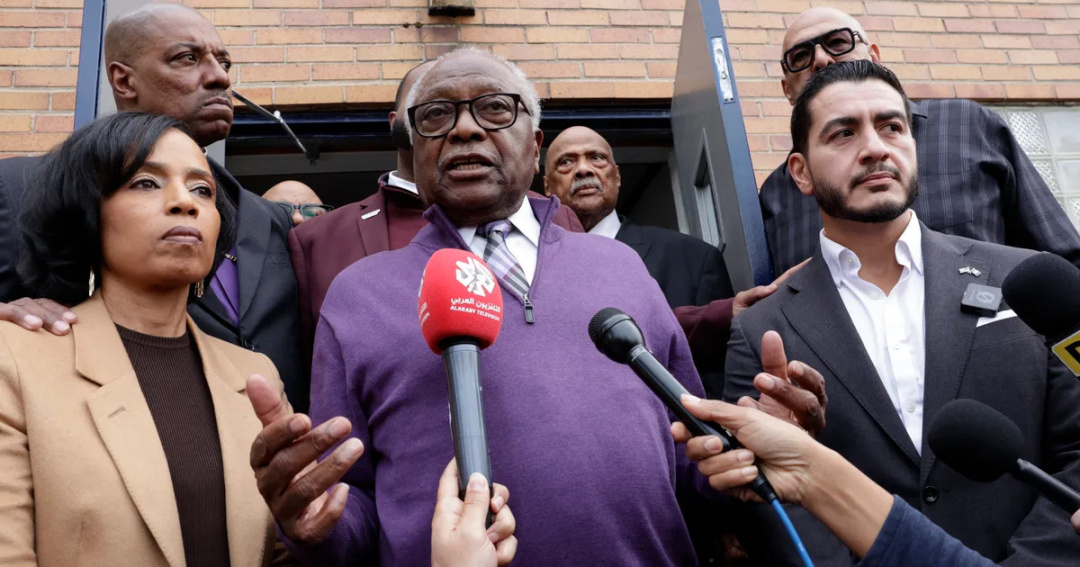
In a political arena more reminiscent of a reality show than a serious election, the Michigan Democratic primary has devolved into a spectacle of insults and accusations that would make even the most seasoned tabloid journalist blush. With Abdul El-Sayed and Haley Stevens at each other's throats, one can only imagine the cold sweat dripping down the backs of 2028 candidates watching from the wings, popcorn in hand. The drama unfolding in Michigan is not just a battle for a Senate seat; it's a master class in how to turn a political campaign into a soap opera.
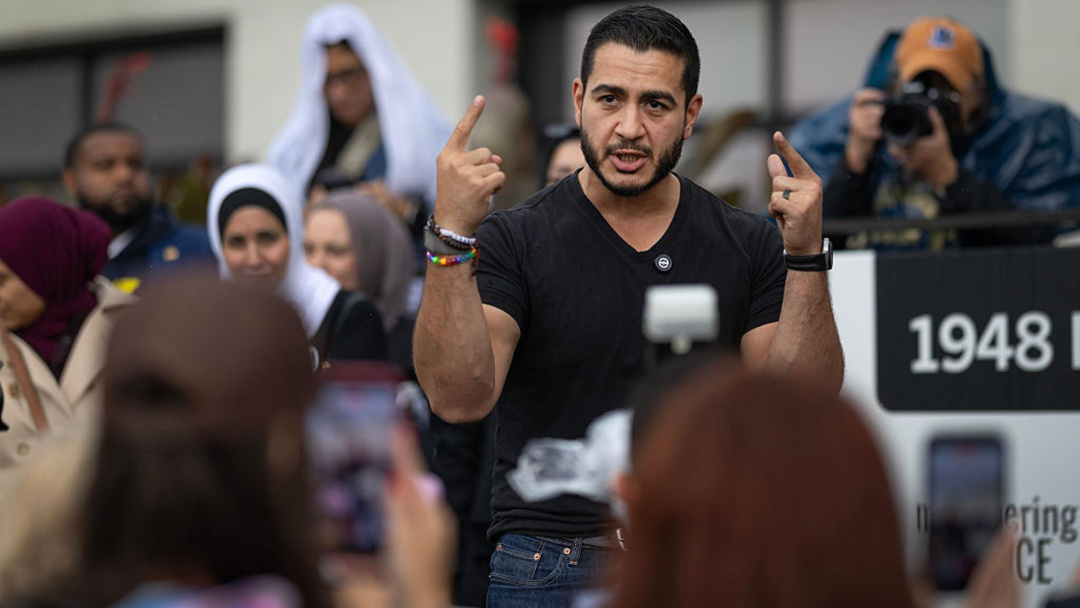
Abdul El-Sayed, the self-proclaimed populist darling of progressive circles, has taken to calling Stevens “the least capable candidate in America,” a title so grandiose it could be a new reality show. Meanwhile, Stevens retaliated with a social media post that hinted at a deeper rift, claiming El-Sayed is blaming all his problems on Jewish Americans. It’s a level of discourse that begs the question: are these candidates running for office or auditioning for the next season of ‘America’s Next Top Political Drama’?
Still Beats Watergate:
Sponsor success. Continue reading:
As both candidates grapple for the spotlight, it’s hard not to feel sympathy for the beleaguered Democratic Party, still reeling from the fallout of previous elections. The DNC seems to have become a cash-strapped organization more focused on engaging in Twitter wars than unifying their message. This political circus has drawn in big money from outside donors, which has resulted in a staggering $60 million being spent on a campaign that has devolved into a pissing contest. It raises the question: how much does it cost to witness the collapse of civil discourse?
In the grand tradition of political theater, El-Sayed is presenting himself as the bold reformer, eager to dismantle the old guard. In contrast, Stevens, the establishment favorite, is running on a platform of pragmatic incrementalism, which sounds suspiciously like a euphemism for ‘doing just enough to keep people mildly satisfied.’ This juxtaposition is a perfect reflection of the Democratic Party's struggle to define itself in an era dominated by polarizing figures.
Both camps appear to be forgetting that voters might actually care about substantive issues, like healthcare and immigration reform, rather than who can throw the best shade. Each candidate has resorted to attacking the other’s ties to Israel, with El-Sayed positioning himself as the champion of those who want to see an end to U.S. aid, while Stevens counters by portraying El-Sayed as someone who is too focused on foreign affairs to care about Michigan’s bread-and-butter issues. It’s a classic case of ‘who can yell louder,’ with voters caught in the crossfire.
As the primary looms, the question remains: what will the fallout be for the 2028 hopefuls who thought they could simply waltz into Michigan with their polished platforms and forgettable slogans? With the Democratic Party struggling to find a coherent identity, candidates will need to prepare for the possibility that the only thing they may inherit from this mess is a well-deserved PR nightmare. The results of this primary could set the stage for a reckoning within the party, as they attempt to navigate an increasingly complex political landscape where shouting matches seem to be the new norm.
In a state that swung for Trump in both elections, the stakes are higher than ever, and the lessons learned here could be both enlightening and terrifying for Democrats nationwide. Perhaps the biggest takeaway from this primary is not just who wins or loses, but rather how much longer the party can afford to engage in this circus without taking a hard look in the mirror. The 2028 candidates will certainly be watching closely, but they might also want to bring popcorn; it’s bound to be quite the show.