Trump Declares Historic Low Approval Ratings as His Personal Best
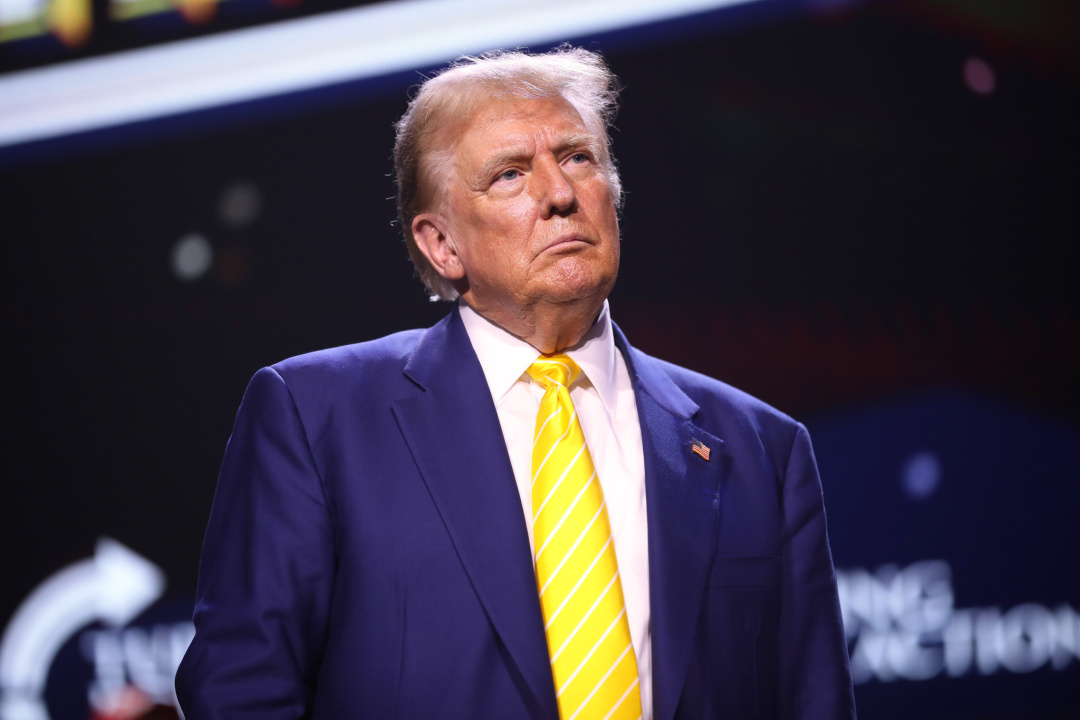
In a remarkable turn of events, Donald Trump has taken to Truth Social to proclaim that his current approval ratings, which have plummeted to new depths, are actually his best yet. In what can only be described as a masterclass in alternative facts, Trump’s assertion raises important questions about the nature of reality itself. Is he tapping into some secret polling data that only he can see, or has he simply discovered a new way to interpret numbers? Perhaps he’s been consulting with the same mathematicians who calculated the number of attendees at his inauguration.
Pundits speculate that this new perspective on polling could revolutionize political campaigning. Why rely on the dreary metrics of public opinion when one can simply declare victory in spite of the numbers? Campaign strategists everywhere are likely scrambling to update their playbooks, perhaps introducing a new chapter titled “Winning with Losing.” In this new framework, losing isn’t just losing; it’s an opportunity to redefine success.
Still Beats Watergate:
Sponsor success. Continue reading:
Critics have pointed out that Trump’s declaration has all the hallmarks of a classic psychological coping mechanism. After all, what better way to handle the sting of historical lows than to call them the high point of your career? It’s a strategy that could be beneficial for other politicians as well; imagine a senator facing a scandal declaring it a “historical triumph in transparency.”
The press, meanwhile, is caught in the crossfire of this dizzying metamorphosis. Reporters are now faced with the challenge of reporting on the actual approval ratings while simultaneously covering Trump’s enthusiastic claims about his imaginary triumph. The White House Correspondents’ Dinner is likely to be a riot this year, with journalists trying to figure out how to integrate their findings with what they hear from the former president.
As the country grapples with these latest developments, it’s clear that the world of political polling is entering uncharted territory. Perhaps we will soon witness the emergence of a new field of study: Polling Science Fiction, where the only limitation is one’s imagination. In the meantime, it remains to be seen whether voters will embrace this new version of reality—or whether they will, as they have before, choose to live in the unvarnished world of facts. For now, one can only applaud Trump’s audacity in the face of grim statistics, proving once again that in politics, belief may indeed triumph over reality.