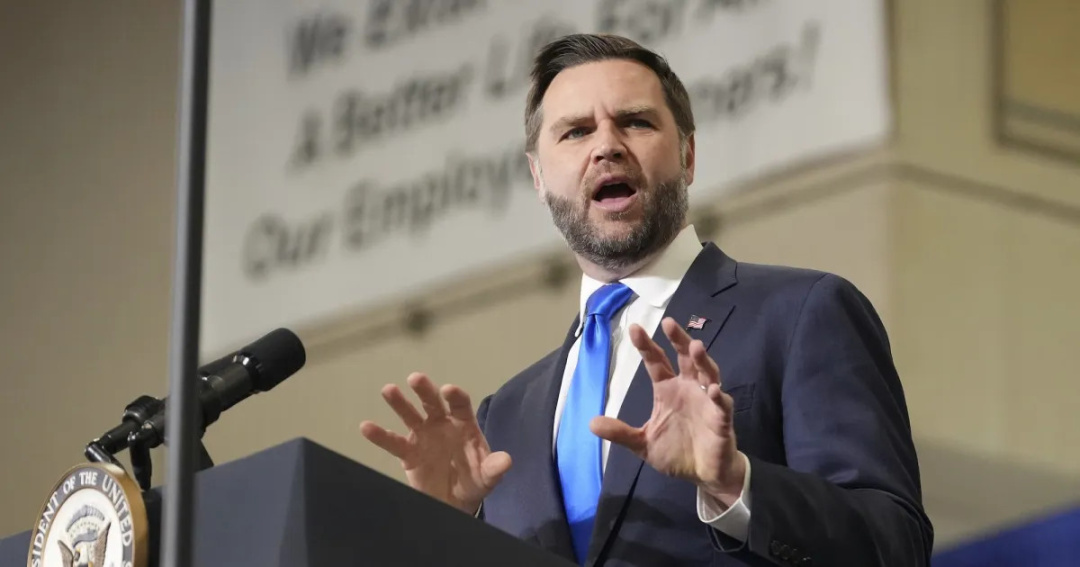
Polls Show Voters Prefer Campaign Promises Over Actual Policies
In an unprecedented twist in the electoral theater, recent polling data has unveiled a shocking truth: American voters are more enamored with dazzling campaign promises than actual policies that might improve their lives. Political strategists have jumped on this revelation, hurriedly crafting a new campaign approach known as 'The Great Pretenders', which essentially encourages candidates to speak in grandiose terms while steering clear of any concrete commitments.
The strategy is simple yet effective. Candidates are now advised to fill their speeches with vague platitudes and catchphrases that sound good but mean absolutely nothing. For instance, instead of discussing a comprehensive health care plan, candidates might simply proclaim, "I will bring health care to the people!" without elaborating how this will be achieved, allowing for maximum interpretation by the public.
Still Beats Watergate:
Sponsor success. Continue reading:
Political insiders say this approach is based on the understanding that voters have a short attention span and a remarkable capacity for selective hearing. "Why burden the electorate with pesky details?" one campaign manager remarked. "The key is to make them feel good about their choice, not to inform them about the realities of governance."
As candidates ramp up their efforts for the upcoming election cycle, the media has already begun documenting the rise of the 'Promise-O-Matic' – a new tool that helps candidates generate endless slogans and promises while avoiding the pesky need for follow-through. "With the Promise-O-Matic, candidates can simply push a button and get a shiny new commitment to share with their supporters," a spokesperson for the device explained. "It’s like a vending machine for hope!"
Meanwhile, political analysts are heralding a new age of electoral optimism fueled by this trend. "We’ve entered a golden era of political aspiration where voters are encouraged to dream big while simultaneously ignoring the fine print of what’s actually feasible," said one analyst, who insisted on remaining anonymous to avoid any association with realism.
And so, as the campaign machinery gears up, candidates are expected to embrace this approach wholeheartedly. After all, when the polls show that voters would rather have a dazzling promise than a tangible plan, why would they do anything differently? Expect to see a lot more glitter and a lot less substance as candidates master the art of the empty promise. In the end, it’s all about making the electorate feel good – until they realize they’ve been sold a mirage.
In a world where hope trumps reality, candidates who can master the art of the grand promise will surely reign supreme, leaving behind a legacy of unmet expectations and a populace that continues to hold onto the dream of what could have been.