Draft Dodging: New Law to Enlist Unlearned Torah Scholars
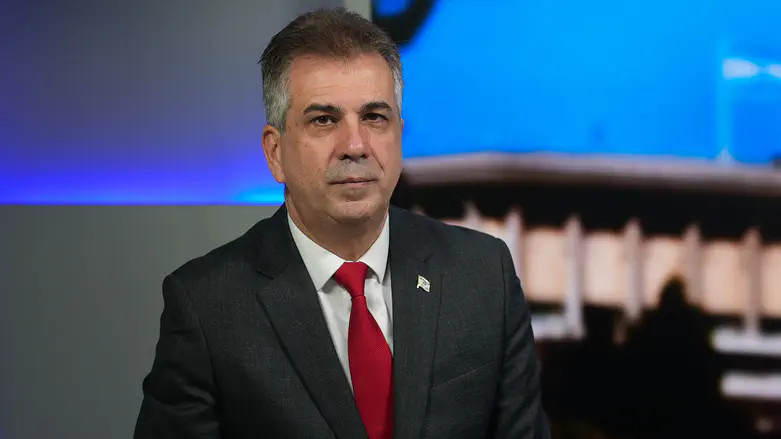
In a recent press briefing that can only be described as a masterclass in bureaucratic doublespeak, the Office of Draft Dodging announced a new initiative aimed squarely at individuals failing to meet their Torah study quotas. Energy Minister Eli Cohen, a man with the uncanny ability to juggle religious texts and military enlistment forms, boldly proclaimed that anyone not fully immersed in Torah study should immediately report for duty. This stunning revelation has left many wondering whether the new draft law will come with a side of guilt or simply a stamp of approval from the local rabbi.
Cohen, who also moonlights as a member of the Diplomatic-Security Cabinet, suggested that had the government prioritized this legislation earlier, the nation could have avoided the awkward conversations currently happening in synagogues across the land. Apparently, the haredi leadership, who are usually embroiled in disputes over who gets to sit closest to the Ark, seem to have quietly agreed that military service is just as important as the mitzvah of studying Torah—at least for those not doing it full-time.
Still Beats Watergate:
Sponsor success. Continue reading:
As the political theater unfolds, Cohen assured us that there would be no shortage of drama in the upcoming elections, which he believes will be more significant than a rabbinical debate over the proper way to prepare gefilte fish. The Likud party is reportedly allowing Prime Minister Netanyahu to reserve slots on the candidate list, ensuring that the only things getting drafted will be candidates who can recite the entire Torah from memory while simultaneously dodging service.
Meanwhile, the prime minister is focused on tackling the pressing issue of Iranian diplomatic relations, which Cohen assures us are just as stable as a rickety yeshiva desk. He indicated that the Iranian regime is too scared to engage directly with Israel, presumably because they fear a response so severe it would make the plagues of Egypt look like a picnic. Cohen also urged right-wing voters to rally behind Likud, implying that any deviation from their path could lead to a disastrous outcome akin to a Chanukah without latkes.
Cohen’s rhetoric escalated as he addressed the potential for a peaceful resolution in Gaza, stating that the only way to achieve tranquility is by disarming Hamas—an endeavor he believes could be accomplished with a well-placed prayer and perhaps a divine intervention. He reassured listeners that if diplomacy fails, Israel is more than capable of handling the situation itself, which sounds remarkably like the premise of a low-budget action movie.
In closing, Cohen promised a bright future for the region, declaring, "There will be only one state between the Jordan River and the Mediterranean Sea—the State of Israel." This statement, while undoubtedly ambitious, raises the question of how many Torah scrolls will need to be rolled out for this grand vision to materialize.
As the nation prepares to grapple with these weighty issues, one thing is clear: in the world of Israeli politics, the line between religious devotion and military obligation is as thin as a piece of matzah, and just as brittle. Expect to see more politicians invoking sacred texts as they navigate the treacherous waters of lawmaking, all while ensuring they can still attend their weekly Torah study without interruption.