Incompetent Hackers Blamed for Water System Attacks, Not the Hackers
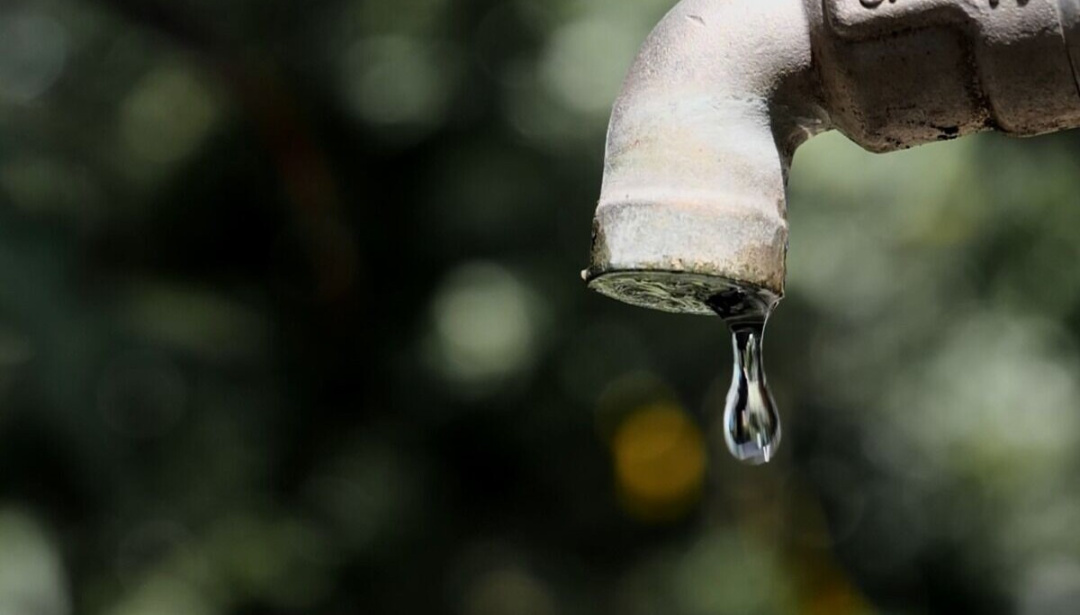
In a stunning twist of bureaucratic logic, the White House has released a formal briefing blaming the latest cyberattacks on water systems in Georgia and Michigan on the incompetence of rogue hackers, rather than the hackers themselves. "We had our suspicions all along that these hackers might not know a thing about water systems," a White House source whispered, clearly indicating that the administration’s grasp on reality is as fluid as the water they’re trying to protect.
The President, in a rare moment of clarity, pointed out that the real issue lies not with the hackers—who are reportedly backed by Iran and equipped with advanced coding skills—but rather with the grossly incompetent state governors who should have seen this coming. "If they can't keep their water safe, what are we paying them for?" the President quipped at a hastily organized press conference, while flanked by a team of advisors who looked just as confused as the audience.
Still Beats Watergate:
Sponsor success. Continue reading:
In an official memo, the Department of Water Safety (DWS) elaborated on the administration's position, stating that they had always considered the risk of water systems being hacked to be at least a Level 3 concern on their highly scientific Water Risk Assessment Scale, which includes categories such as 'slightly damp' and 'splash zone.' This memo has raised eyebrows among experts, who are now left to wonder what constitutes a Level 1 risk. Perhaps a minor spill?
Meanwhile, the FBI is reportedly investigating the attacks across at least seven states, but their findings have been overshadowed by the administration's insistence on focusing on the alleged ineptitude of local officials. In an exclusive interview, an unnamed FBI agent stated, "We’re not saying the hackers aren’t smart, but if we’re going to point fingers, we might as well consider the possibility that they just really didn’t think this through. I mean, who hacks water?"
As tensions rise between the U.S. and Iran, some analysts suggest that the real water cooler talk shouldn’t be about the attacks but rather about how to best spin the narrative. One strategist noted, "In Washington, we have a long history of deflecting blame. The key is to make it look like you’re doing something while ensuring that the public never actually sees any results. You know, classic politics."
In a shocking twist, the White House has also announced plans to install a new line of defense against potential water hacking by investing in a fleet of rubber ducky drones, designed to patrol the waterways and ensure that all suspicious activity is promptly splashed down. The initiative, dubbed Operation Floaty Freedom, has gained bipartisan support, proving once again that when it comes to water politics, you can always count on a good gimmick to keep the masses entertained.
As the nation waits for answers, one fact remains clear: the water is fine, and if you have any complaints, you can always blame your governor for it. After all, isn’t that what they’re for?