Iran's Playbook: Making Diplomacy Look Like an Extreme Sport
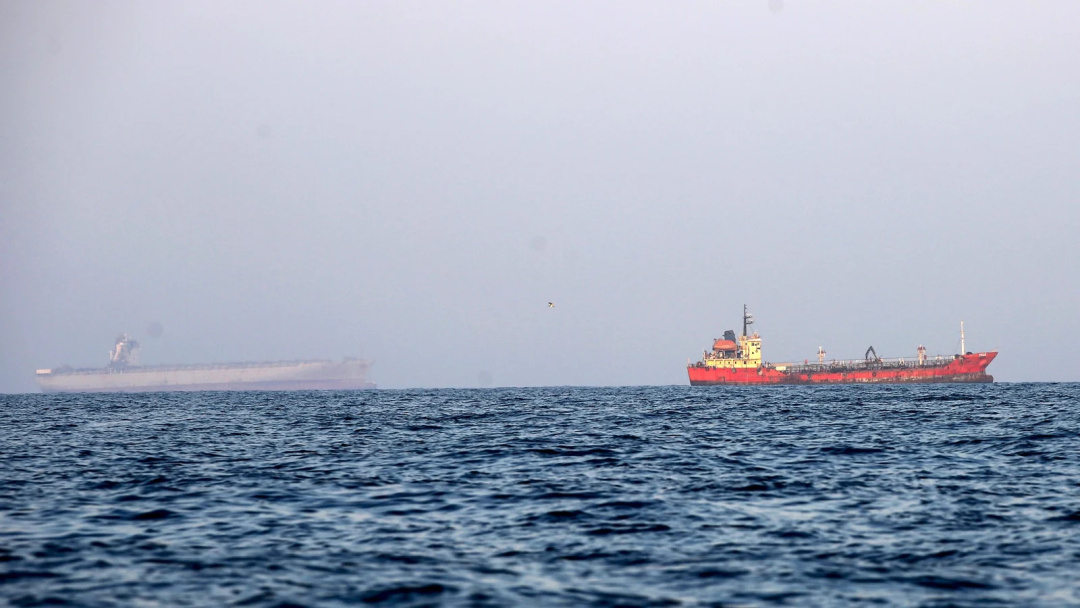
In a bold move that redefines the concept of diplomatic engagement, Iran has launched what can only be described as the Middle Eastern version of extreme sports. Forget the traditional back-and-forth of negotiations; Tehran is now threatening to turn the Strait of Hormuz into its very own obstacle course. This is not just about negotiating concessions anymore; it’s about raising the stakes to levels that would make a high-wire act look like a leisurely stroll in the park.
As the U.S. and its allies watch with a mix of intrigue and horror, Iran is meticulously plotting a strategy of calibrated escalation. This involves threats that are so dramatic, they could make a soap opera seem like a documentary. Analysts suggest that Tehran’s aim is to turn the Strait of Hormuz into a pressure cooker for international shipping and energy infrastructure. Because nothing says ‘let’s talk’ quite like the looming threat of an economic meltdown.
Still Beats Watergate:
Sponsor success. Continue reading:
The Iranian leadership, it seems, has taken a page from the reality television playbook. Why engage in boring negotiations when you can spice things up with threats of military action? The strategy appears to be working, as the U.S. finds itself scrambling to maintain its composure while simultaneously trying to avoid being outmaneuvered on the geopolitical chessboard. It’s like watching a game of poker where one side keeps throwing in more chips until the other side is left wondering if they should fold or go all in.
In this newly minted game of diplomatic chicken, the U.S. is faced with the daunting task of responding to threats without escalating tensions to the point of no return. The White House has reportedly convened an emergency meeting to discuss how to handle this latest round of Iranian bravado, likely filled with charts, graphs, and the obligatory motivational poster of a cat hanging from a tree branch with the caption, "Hang in there."
Meanwhile, Tehran is capitalizing on the drama. With every threat, they seem to be inching closer to achieving their goal of forcing concessions from a beleaguered and confused Washington. Who knew that the key to successful negotiations was simply to crank up the rhetoric and turn the diplomatic arena into a stage for a high-octane thriller?
As the tension mounts, one has to wonder if the next step for Iran will be to introduce audience participation. Will we see live polls on social media to determine the next course of action? "Should we threaten more naval maneuvers? Vote now!" This is diplomacy as entertainment, and the stakes couldn’t be higher. For those watching from the sidelines, it’s a spectacle that promises both drama and a hefty dose of absurdity.