Morocco Claims Social Media and Human Trafficking Caused Migration Surge
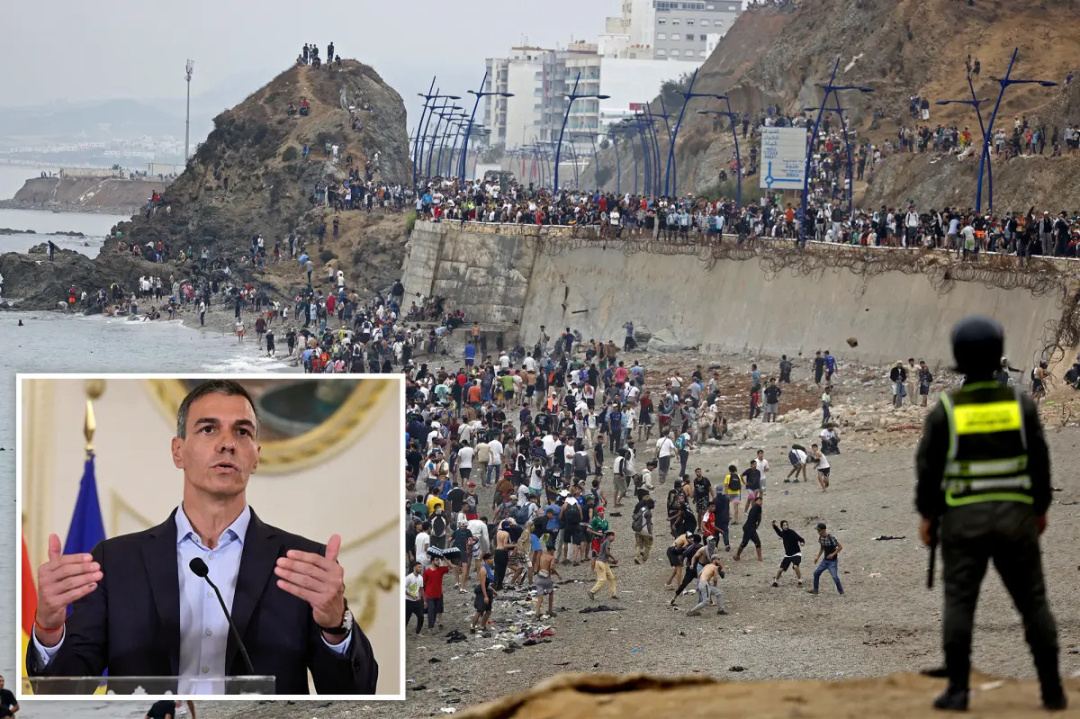
In a stunning display of bureaucratic blame-shifting, Moroccan authorities have launched an unprecedented campaign insisting that social media and human trafficking are solely responsible for the recent surge of up to 60,000 migrants flooding into Ceuta. Yes, you heard it right: the internet is now the scapegoat for international migration. Forget about the complex socio-economic factors at play; it’s all about those pesky tweets and Instagram posts that are apparently luring people across borders like moths to a flame.
Officials, presumably gathered around a glowing laptop in a dimly lit room, concluded that the rampant spread of information on social media has become a siren call for aspiring migrants. “We cannot ignore the power of TikTok trends,” one official stated, clutching his phone like it was a legal brief. “If it weren’t for viral challenges, none of this would be happening.” This revelation has sparked a new field of study: the sociology of social media-induced migration. Academics everywhere are likely scrambling to publish papers titled "#MigrationMatters" and "Instagram Influencers: The New Immigration Agents."
Still Beats Watergate:
Sponsor success. Continue reading:
In an effort to further deflect responsibility, Moroccan officials have issued a press release detailing how human trafficking networks have exploited social media algorithms to target vulnerable populations. “These traffickers are savvy,” they claimed, as if they were discussing the latest trends in corporate marketing rather than human lives. “They know how to make the most of targeted ads.” The notion that a few catchy hashtags could incite mass migration is an extraordinary leap of logic, but when you're trying to dodge accountability, anything goes.
Meanwhile, the government has proposed a new initiative called "Operation Social Shield," aimed at combating the influence of social media in the migration crisis. This groundbreaking initiative will involve launching a series of public service announcements warning potential migrants that scrolling through Instagram could lead to life-altering decisions. “Think before you like,” the campaign will urge. Presumably, the government will also enlist influencers to promote a new hashtag: #StayHomeStaySafe.
As the situation escalates, it’s clear that Moroccan authorities are in a tight spot. By blaming social media, they not only avoid addressing the underlying issues that lead to migration but also introduce a new kind of digital dystopia where the internet becomes a villain. This development raises critical questions about personal responsibility in the age of technology. Will governments around the world start fining social media companies for every migrant who crosses a border?
As we move forward, one can only wonder how many more absurd claims will emerge from the bureaucratic labyrinth. Perhaps next, we’ll hear that climate change is actually the fault of streaming services, or that global trade issues stem from people binge-watching their favorite shows. For now, though, we can rest assured that the internet is officially the new scapegoat in the migration narrative. So, if you’re planning on traveling anywhere soon, just remember: your Instagram feed could be the real enemy.