White House Launches New Initiative: Strategic Oil Price Manipulation Through Diplomatic Delays
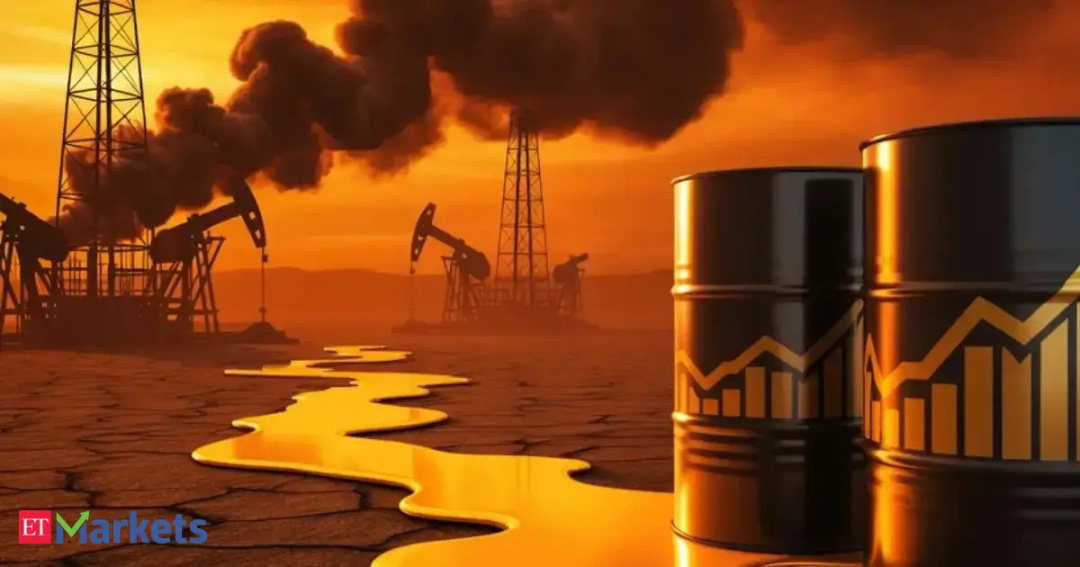
In a bold and unexpected turn of events, the White House has unveiled its latest initiative: Strategic Oil Price Manipulation Through Diplomatic Delays. This groundbreaking approach aims to keep oil prices stable by postponing military action against Iran, allowing consumers to fill their tanks without breaking the bank. In a press briefing, Press Secretary Jen Psaki emphasized the importance of this strategy, stating, "Why attack when we can negotiate our way to lower gas prices? It's a win-win for everyone—except maybe the military contractors."
This tactic marks a significant shift in executive strategy, as the administration has decided to prioritize the economy over the thrill of military engagement. Public sentiment seems to support this new direction, with many Americans reportedly more concerned about the price at the pump than geopolitical tensions. One anonymous source inside the White House noted, "We realized that if we keep oil prices low, people will forget about all the other chaos happening in the world. It's like putting a fresh coat of paint on a crumbling building."
Still Beats Watergate:
Sponsor success. Continue reading:
Critics, however, argue that this plan reeks of desperation. Political analyst and renowned oil expert, Dr. Petro Leverage, remarked, "This is like trying to fix a leaky roof by just painting over the holes. Sure, it looks nice for a bit, but eventually, you’re going to get soaked."
Meanwhile, the oil industry is reportedly thrilled with the administration’s newfound love for diplomacy. Industry leaders are already lobbying for more delays, suggesting that perhaps a few more diplomatic channels could mean even lower prices. "Why not keep this going? We could have a new slogan: 'Kicking the Can While Keeping the Prices Down,'" said the CEO of a major oil corporation, while visibly rubbing his hands together in glee.
In an exclusive memo leaked to OfficeOval, the White House has outlined additional strategies to ensure the success of its oil price diplomacy. These include adopting a new mantra: "Stalling is the new strategy" and expanding the number of international summits dedicated to discussing the intricacies of oil pricing. The memo humorously suggests that a few well-timed selfies with global leaders might also help stabilize market reactions.
As the administration continues to navigate the treacherous waters of both diplomacy and consumer expectations, one thing is clear: oil prices may fluctuate, but the White House’s commitment to keeping those prices in check through strategic delays is unwavering. After all, who needs military action when you have a good PR strategy and a few well-placed handshakes?