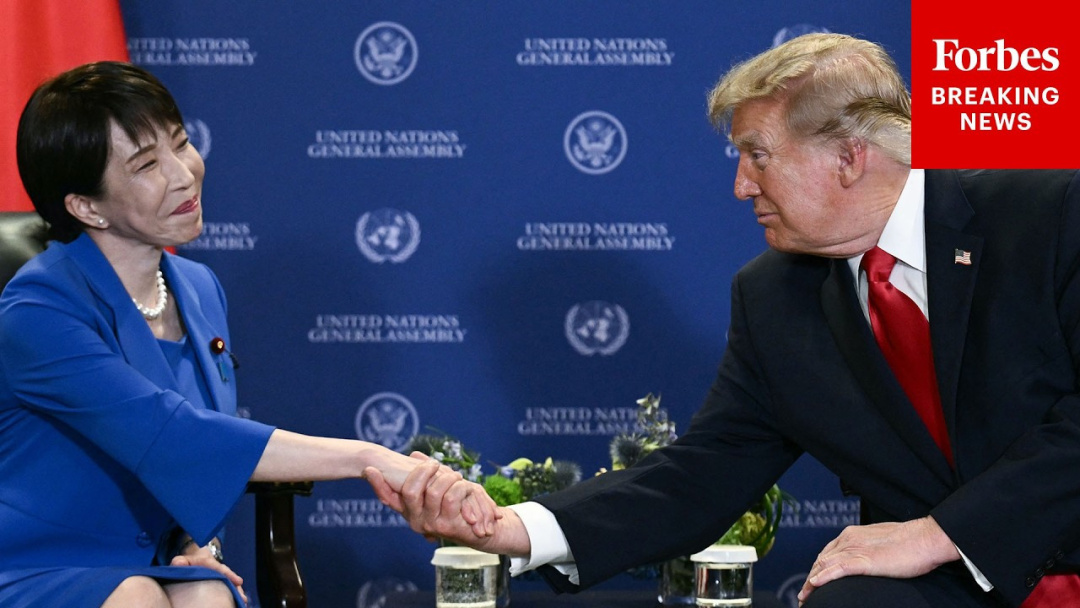
US and Japan Launch Joint Currency Intervention: A Financial Hoedown
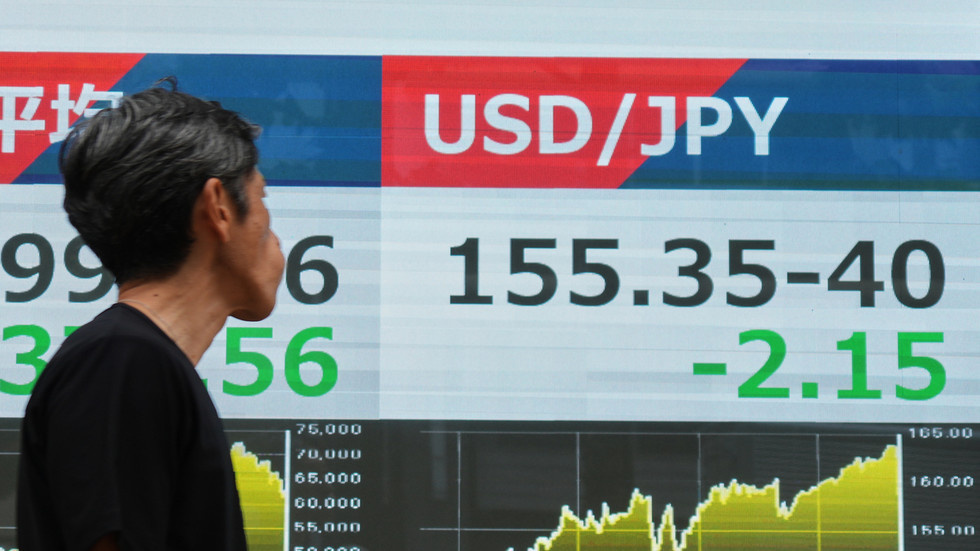
In a dramatic turn of events reminiscent of a poorly scripted financial thriller, the United States and Japan have officially announced a joint intervention designed to rescue the yen from its precipitous decline. This bold move comes as the yen plummets toward levels not seen since the days when mullets were fashionable and disco was still alive. Japanese Finance Minister Satsuki Katayama took to the podium, wielding optimism like a sword, declaring that the two nations had valiantly purchased yen during US trading hours on a fateful Friday.
Meanwhile, US Treasury Secretary Scott Bessent, perhaps channeling his inner economic cowboy, echoed Katayama's sentiments with an equally vague warning about being prepared for further action. Because nothing says "we've got this" quite like an ambiguous promise of future financial heroics. The intervention was to combat what officials described as “excessive volatility and disorderly movements”—a phrase that sounds more like a description of a toddler’s tantrum than international currency strategy.
Still Beats Watergate:
Sponsor success. Continue reading:
In a twist that would make any economic analyst scramble for their calculators, sources suggest that the US may have liquidated parts of its euro holdings to help finance this rescue mission. This financial sleight of hand raises the question: is the US Treasury Secretary now moonlighting as a Euro-swap magician? As the Treasury sold euros like hotcakes, the yen managed to regain some ground, strengthening from its dizzying lows.
Of course, this entire escapade brings to mind the age-old adage that when one currency is in the dumps, another might just have to pick up the slack—preferably on a dance floor filled with dollar bills. The coordinated effort marks the first time since 2011 that the US and Japan have joined forces for such a spectacle, but it feels more like a last-ditch effort from a pair of beleaguered allies than a well-rehearsed performance.
The economic ramifications are dizzying. Analysts are estimating Japan may have spent nearly ¥8.45 trillion—about $53 billion—in this intervention alone, proving that sometimes, you have to throw a lot of money at a problem to feel like you’re doing something. But as the US and Japan waltz through this crisis, one can’t help but wonder how long this partnership will last before they start stepping on each other’s toes.
In a moment of unintended transparency, Bessent’s to-do list was photographed during a cabinet meeting, revealing a directive to buy between $5 billion and $10 billion worth of yen. Proving once again that government strategy can often resemble a high-stakes game of Monopoly where all the rules are subject to change at a moment's notice.
So, as the US and Japan engage in this economic dance-off, we can only sit back and enjoy the show. Will they succeed in stabilizing the yen, or will this lead to an even more chaotic financial rumba? One thing’s for sure: in the world of currency intervention, the only certainty is uncertainty, and a lot of dancing around the truth.