Lula's Plan for a Fourth Term: National Sovereignty or Just Fluffy Red Banners?
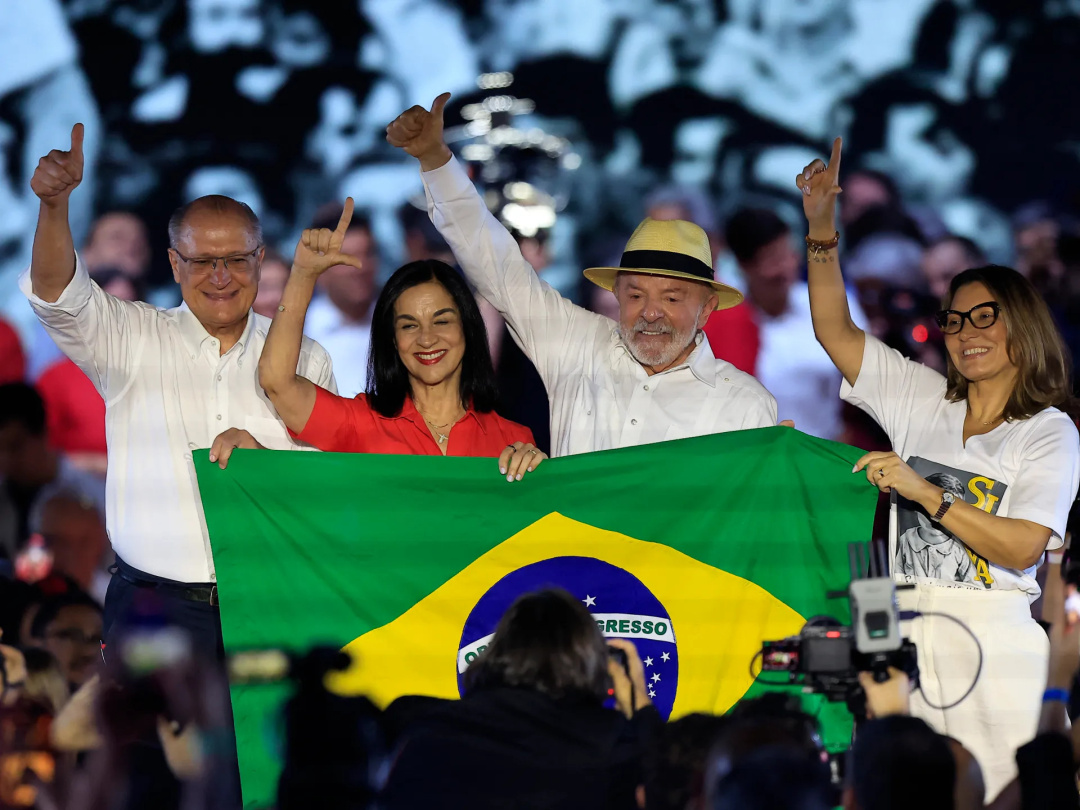
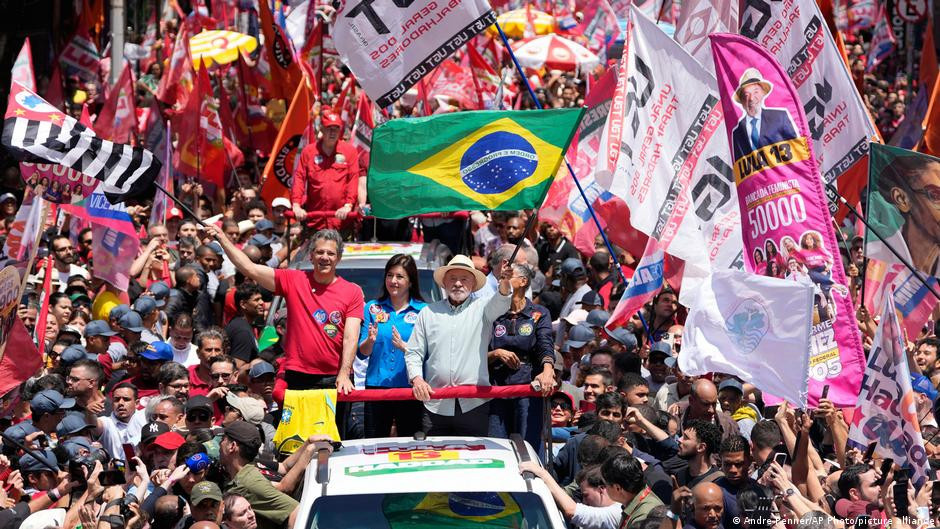
In an electrifying display of political theater, Brazilian President Luiz Inacio Lula da Silva has donned his finest red attire and kicked off his campaign for a fourth term with all the flair of a carnival parade. Supporters gathered like moths to a flame, brandishing red flags and chanting his name, as if to remind the world that Lula is back and, apparently, more sovereign than ever. His message? A resounding call for national sovereignty that sounds suspiciously like a strategic pivot away from his record at home.
Amidst the fanfare, Lula, now a sprightly 80 years old, assures his audience that should he triumph in the upcoming October elections, this will be his swan song. Of course, one must admire the confidence; after all, who wouldn’t want to go out in a blaze of glory, or at least with a few more speeches about the importance of Brazil’s rare earth minerals? Nothing says “I care” like a promise to keep foreign powers at bay while protecting the country’s mineral wealth—because nothing screams sovereignty like a good old-fashioned mineral standoff.
Still Beats Watergate:
Sponsor success. Continue reading:
As he stood before a cheering crowd, Lula painted a vivid picture of an encroaching foreign menace, warning that nations such as the U.S., China, and France would not pilfer Brazil’s precious resources without first respecting its sovereignty. It’s a classic move: identify a villain—preferably one with a lot of economic clout—and position oneself as the valiant protector. Who needs to address rising crime rates or skyrocketing living costs when you can rally support by waving the flag of nationalism?
His opponent, Flavio Bolsonaro, the son of former President Jair Bolsonaro, is now the face of foreign influence—an easy target for Lula to accuse of treachery, despite Flavio’s insistence that he’s merely navigating the murky waters of Brazilian politics. In Lula’s mind, he’s framing this election as a battle for Brazil’s soul: independence versus submission to foreign interests. It’s a narrative that not only piques interest but aligns perfectly with a populace looking for someone to blame for their woes.
Recent polling indicates that Lula holds a slight edge over Flavio in a hypothetical second-round matchup, a fact that must be both comforting and terrifying as the country remains deeply divided. With economic growth and social programs in his favor, Lula still finds himself grappling with issues of public safety and corruption. And let’s not forget the irony of a campaign based on national integrity while both candidates are under investigation for various improprieties. It’s almost as if political scandal is the new national sport in Brazil.
As Lula gears up for yet another round in the political ring, he appears to be betting on experience as his ace in the hole. He insists he’s in tip-top shape, thanks to a regimen of walking and strength training, which presumably prepares him not just for campaigning but also for dodging questions about his age and record. After all, who wouldn’t want a president capable of outrunning their critics?
In the end, Lula’s campaign may very well boil down to a series of carefully orchestrated performances, where the true test lies not in policies but in the ability to manipulate the narrative. With a flair for drama and a knack for rhetoric, Lula is ready to reclaim his throne—if only to remind everyone that in this game of politics, the show must go on, regardless of the script.