Buttigieg's 2028 Bid: A Polling Mirage or the Future of Democratic Sincerity?
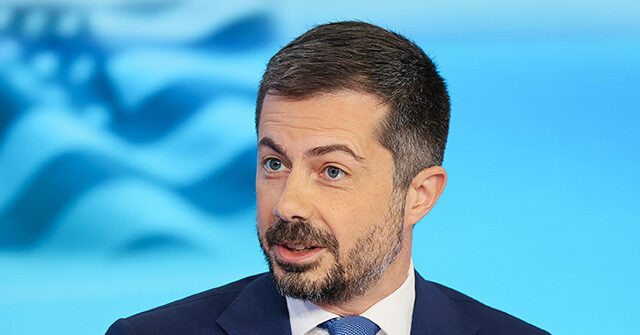
In a stunning revelation that has left political analysts scratching their heads, a recent poll shows that 24 percent of likely Democratic voters are ready to throw their support behind former Transportation Secretary Pete Buttigieg for the 2028 presidential race. However, the real shocker is that a staggering 21.7 percent of voters remain undecided, which begs the question: is Buttigieg really leading, or are we witnessing the grand debut of the Unsure Party?
The Public Sentiment Institute, which conducted the poll, has inadvertently unveiled a disconcerting truth about the Democratic electorate. With more than one-fifth of respondents unable to pick a candidate, it seems the party has become a game of political musical chairs, and not everyone has found a seat. The Undecided demographic is practically the new frontrunner, benefiting from the lack of enthusiasm for any of the actual candidates, including Kamala Harris, who has somehow managed to attract just 5.1 percent of support.
Still Beats Watergate:
Sponsor success. Continue reading:
The situation presents a unique opportunity for Buttigieg to market himself as the candidate of choice — or at least the candidate of slightly less uncertainty. The TPSI report suggests that the undecided voters are not just waiting for someone to inspire them; they’re likely waiting for their favorite candidate to materialize from the ether, possibly riding in on a unicorn, or at least with a solid transportation plan.
Meanwhile, on the Republican side, the chatter about a Trump-led ticket featuring JD Vance and Marco Rubio is circling like a hawk eyeing its prey. Trump’s endorsement of this duo has all the subtlety of a marching band in a library, indicating that the GOP is all too ready to charge ahead while the Democrats ponder which way is up.
With Buttigieg’s campaign gaining traction, one must wonder if the reluctance of voters to commit to him reflects a broader malaise within the party itself. Are Democrats still reeling from past losses, or is this merely a symptom of a deeper existential crisis? Either way, Buttigieg is now faced with the Herculean task of turning the 21.7 percent of unsure voters into die-hard supporters.
Moreover, the poll included a question on campaign contributions from pro-Israel PACs, revealing that a whopping 55.8 percent of respondents would be much less likely to support a candidate who accepts such funds. This suggests that not only is the party divided on who to support, but they are also grappling with moral dilemmas that would make even the most seasoned ethicist raise an eyebrow.
As the Democratic primary season gears up, it appears that Buttigieg may become the reluctant face of a party that is still searching for its identity. With the specter of undecided voters looming large, the question remains whether Buttigieg can transform his initial polling advantage into genuine enthusiasm, or if he will simply become the poster child for a party that can’t make up its mind.
In the grand theater of American democracy, will Buttigieg emerge as the leading man, or will he find himself relegated to the role of comic relief in a production that is yet to find its script? Only time will tell, but for now, the stage is set, and the audience is still waiting for the show to begin.