Venezuela and Dominican Republic Announce Groundbreaking Agreement to Agree
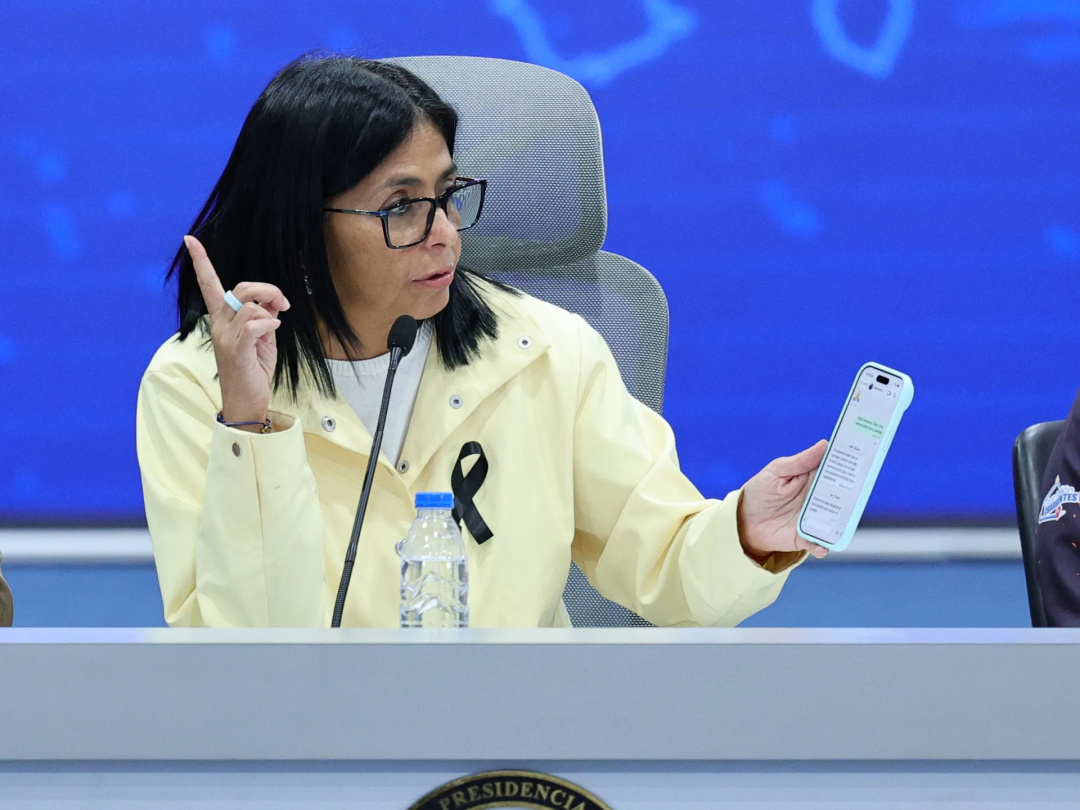
In a move that has left diplomatic pundits scratching their heads and double-checking their calendars, Venezuela and the Dominican Republic have announced a groundbreaking agreement to agree on a plan for restoring ties after a diplomatic rift that could only be described as more theatrical than a soap opera. The rift, of course, stemmed from the Dominican Republic bravely declaring that they would not recognize Nicolas Maduro's re-election—an electoral event so fraught with controversy that it could have been the plot of a political thriller.
In an official statement that was likely crafted under the watchful eye of a committee dedicated to maximizing public ambiguity, Venezuela's foreign ministry expressed their deep commitment to strengthening communication channels. Because nothing says 'we’re serious about improving relations' quite like a roadmap filled with diplomatic jargon. The ministry, in a rare moment of candor, hinted that this decision was a result of sustained dialogue. Yes, sustained dialogue—a term that usually means a series of increasingly awkward phone calls and emails that go unanswered.
Still Beats Watergate:
Sponsor success. Continue reading:
The Dominican Republic, for its part, has joined the ranks of numerous nations in a valiant stand against Maduro's electoral legitimacy. Their refusal to recognize the election has been framed as a move to uphold democratic values, which is quite rich considering their own historical political gymnastics. This decision has led to the kind of diplomatic fallout that makes one wonder if the two countries should just start a reality show instead. Perhaps 'Survivor: Diplomatic Relations Edition' would be a hit.
Maduro, meanwhile, has taken this opportunity to engage in what can only be described as a political makeover. After being whisked away by U.S. forces in a military operation that could have been lifted straight from a Hollywood script, he now finds himself in the company of an interim government that seems keen on rekindling relationships with former allies. It’s a classic case of ‘let’s bury the hatchet, but only after we’ve made the most of our social media presence.’
In a twist that would make any political strategist proud, Venezuela recently announced plans to open its energy resources to U.S. investments. This strategic pivot not only aims to mend fences but also to cash in while the going is good. After all, who wouldn’t want to be on the receiving end of some lucrative energy deals while simultaneously trying to maintain the illusion of political integrity?
Adding to the absurdity, Venezuela has decided to withdraw from the International Criminal Court, citing bias against poorer nations—a move that has been met with a collective eye-roll from observers who recall the ICC's investigations into potential crimes against humanity during the Venezuelan government's heavy-handed crackdown on protests. It seems that the administration is eager to cut ties with any institution that dares to hold them accountable while simultaneously seeking new friends in the neighborhood.
As if to underscore their newfound commitment to peace, Venezuela has also agreed to restore flights between Caracas and Santo Domingo. This move is sure to facilitate a flurry of diplomatic activity, or at least provide a scenic route for officials to engage in more sustained dialogue over cocktails. The agreement, hailed as a victory for diplomatic resilience, now leaves citizens wondering if they should pack their bags or prepare for yet another round of political theatrics.