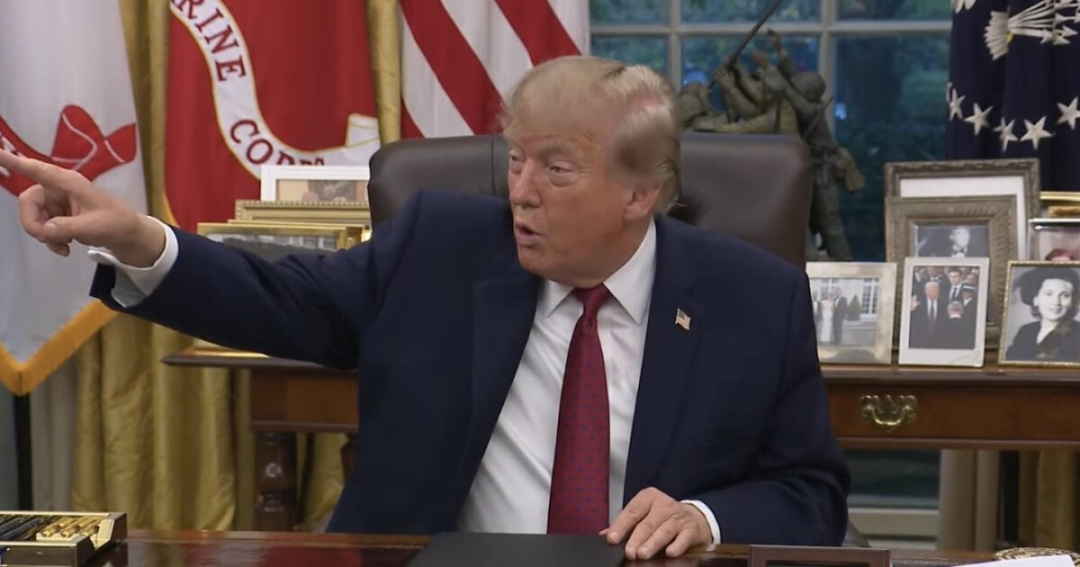
American Taxpayers Fund Trump's Golden Fantasy
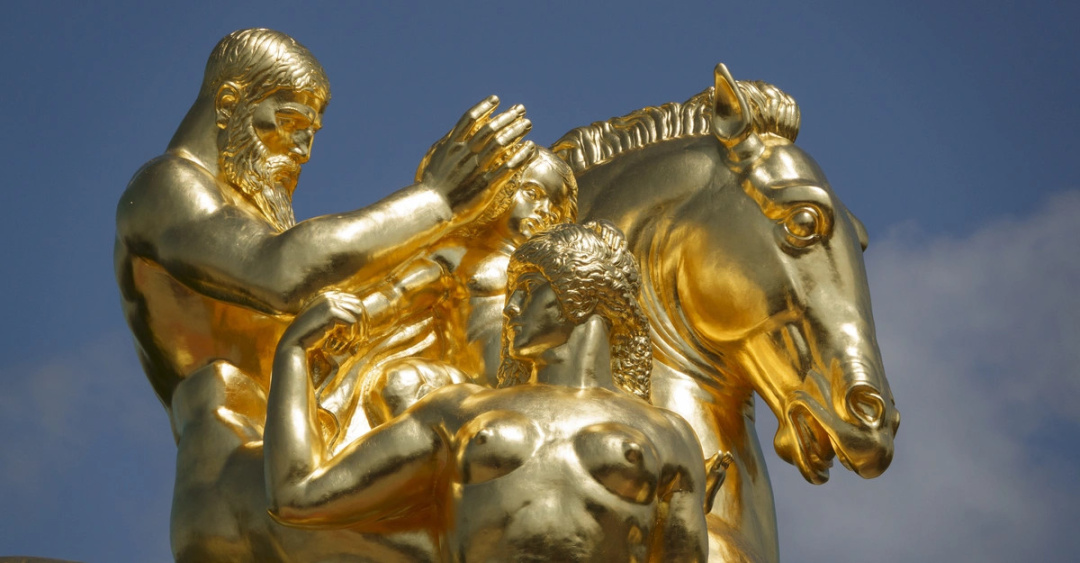
In a bold new initiative that might just redefine what it means to be extravagant in the Oval Office, the Trump administration has announced that American taxpayers are now the official financiers of the President's latest obsession: gold. Yes, you heard that right. The recently unveiled twin statues at the Lincoln Memorial, gleaming in 23.75-karat gold, stand as a resplendent tribute to one man’s vision of grandeur and an audacious reminder that democracy sometimes comes with a side of bling.
As the statues shimmer under the Washington sun, officials in the administration have released a memo outlining the logistical and philosophical reasoning behind this glitzy display. According to this memo, “Gilded representations of our great leader are not merely art; they are inspirational beacons for the masses.” Clearly, the administration believes that if you can’t lead them to the promised land, you might as well dazzle them with shiny things.
Still Beats Watergate:
Sponsor success. Continue reading:
The funding for these golden sentinels is part of a broader initiative known as the “Gold Standard for Leadership,” a program designed to enhance national pride through ostentatious displays of wealth. The memo humorously noted that every statue is crafted from “locally sourced gold,” which in bureaucratic speak translates to “whatever we could dig up from the last failed investment.”
Critics have raised eyebrows—among other things—over the fiscal responsibility of such a project, questioning why taxpayer dollars are being used to finance a monument to the President’s vanity instead of addressing pressing issues like healthcare or education. In response, the administration issued a statement asserting, “Nothing inspires hope like a statue that literally shines.”
In addition to the statues, the administration has plans to launch a new line of gold-plated merchandise, including but not limited to, Trump-branded goldfish crackers and golden toilet paper rolls. “We are simply giving the people what they want—golden everything!” said one enthusiastic advisor, while simultaneously brushing aside the notion of using funds for public welfare.
The White House press secretary, when asked about the budget implications of this opulent display, chuckled and replied, “What’s a few million here or there when you’re making history? Besides, we can always just print more money.” And with that, any lingering concerns over fiscal responsibility evaporated into the air like the very gold dust that coats these statues.
As America grapples with the concept of a leader so enamored with gold that he is willing to turn national monuments into gilded shrines, it’s clear that we are living in a truly unique era. One can’t help but wonder what will come next: a gold-plated Air Force One, perhaps, or a national park entirely paved in gold leaf? Whatever it is, one thing remains certain: the Trump administration is no stranger to turning the ordinary into the extraordinary—after all, who needs policy when you have gold?