FIFA's Latest Scheme: Selling the World Cup Like Hotcakes
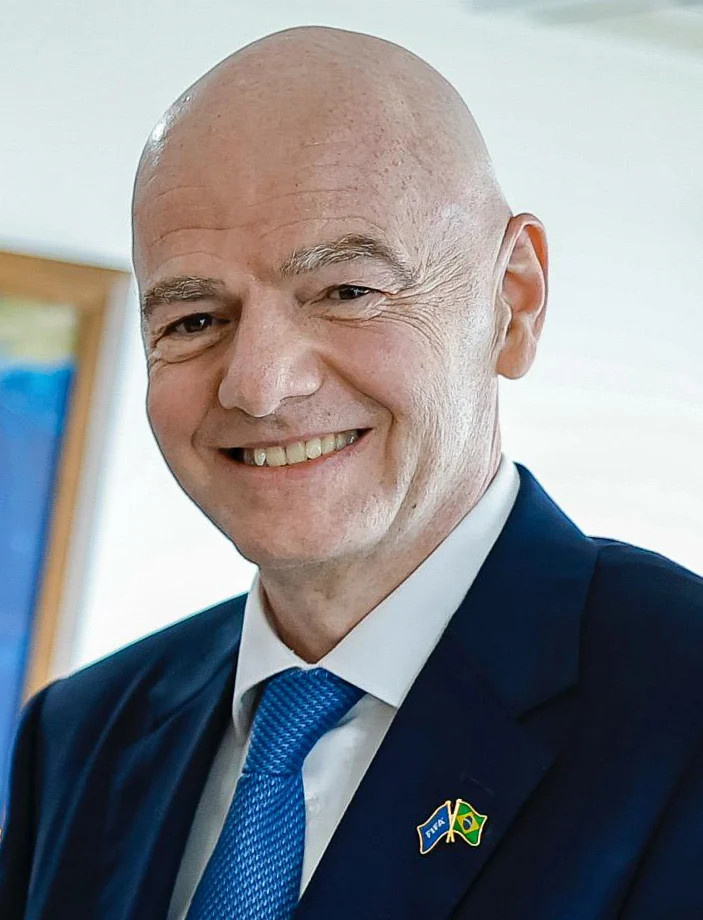
In a plot twist that would make even the most seasoned screenwriters blush, FIFA President Gianni Infantino unveiled a scheme to transform the World Cup into the next hot investment opportunity. Imagine the prestigious tournament, once a symbol of global unity and sporting excellence, now available on a private equity platter. Yes, it’s true: the World Cup, the crown jewel of international football, was set to be sold off like discount tickets at a clearance sale. Infantino, ever the ambitious dealmaker, concocted the FIFA Forward Enterprise, a subsidiary designed to rake in billions for the organization by inviting private investors to buy ownership stakes in the tournament and its other competitions. Because nothing says ‘sporting integrity’ quite like a hefty price tag attached to the most cherished event in football.
The initial proposal was a masterpiece of bureaucratic sleight-of-hand, with promises of $20 million bribes—oops, I meant funding—per member association to sweeten the deal. Infantino's plan, however, crashed and burned faster than a poorly executed penalty kick. The uproar from football’s elite was swift and unforgiving. UEFA, the powerful European football confederation, firmly rejected the idea, declaring that the World Cup could not be seen as an investment product. Perhaps they realized that turning football’s biggest stage into a financial instrument could lead to more conflicts of interest than a reality TV show reunion special.
Still Beats Watergate:
Sponsor success. Continue reading:
Infantino's initiative ignited a firestorm among the global football community. The Union of European Football Associations, along with Concacaf and the Asian Football Confederation, all lined up to express their outrage. They articulated a philosophy of football that clashed violently with the money-driven realities of the sport. After all, why should the essence of football be tainted by the insatiable greed of private investors? The backlash was so intense that it sent Infantino’s senior adviser packing, resigning in disgust at the proposal he deemed a “bad deal for football.” Talk about a vote of no confidence.
As the backlash grew, Infantino’s proposal quickly morphed from a grand vision to a hasty retreat. By August 1, the plan was officially dead, buried under the weight of collective disapproval. Football associations around the world rejoiced, relieved that their beloved sport wouldn’t be auctioned off to the highest bidder. Yet, the fact that such a proposal could even be floated reveals the insidious nature of FIFA's governance. Infantino, who once promised transparency during his election campaign, now stands accused of orchestrating a secretive deal that would have mortgage football’s future.
With the proposal extinguished, UEFA pledged to review the circumstances that allowed it to rise from the ashes. Meanwhile, Infantino, the self-styled savior of FIFA, has left a trail of questions in his wake: How did this happen? Who benefits? And most importantly, when will he learn that football is not just another business venture to be exploited? As Infantino navigates the fallout, one thing is clear: the beautiful game is not for sale, at least not without a fight.
So, while Infantino may have been dreaming of cashing in on the World Cup, it seems the football community has other plans. Let’s hope the next time he has a bright idea about selling off the sport, he remembers that the heart of football beats strongest in the hands of its fans, not its investors.