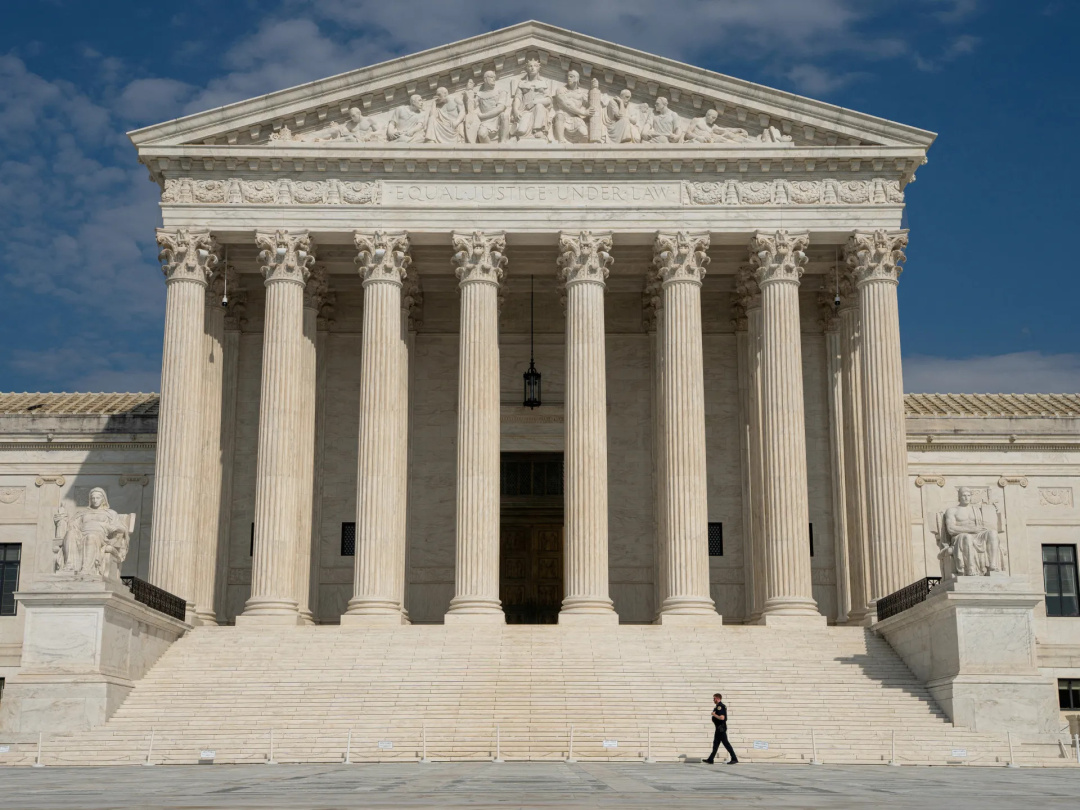
Kansas Supreme Court Elections: Democracy or Donor Control?
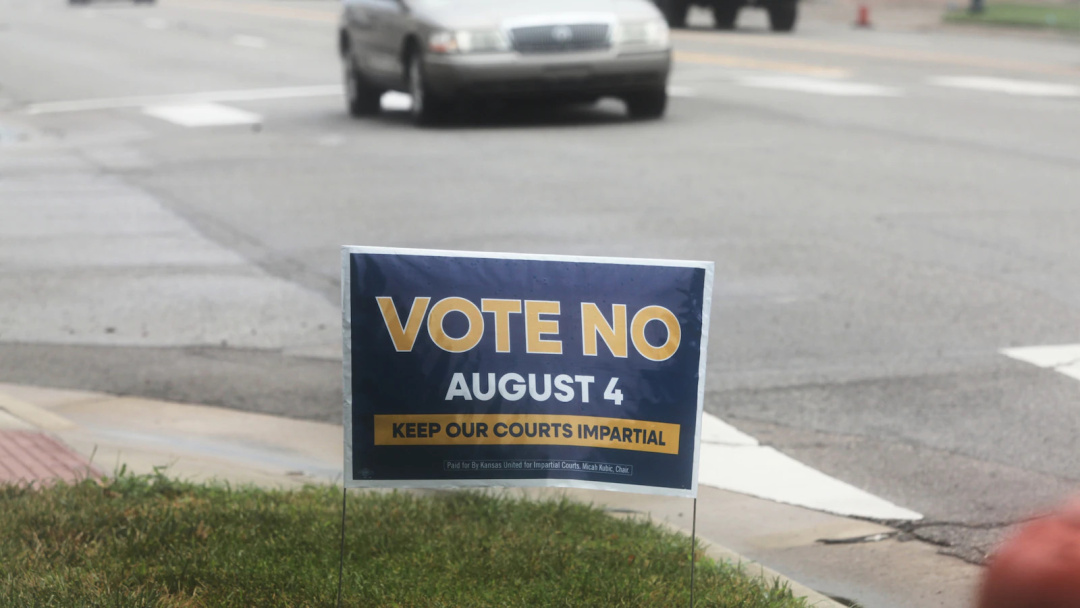
In a bold move that blends electoral democracy with a dash of oligarchic flair, Kansas voters are gearing up to decide whether to elect state Supreme Court justices rather than let the governor appoint them. Proponents of this measure, largely from the GOP, argue that the current system is a relic of a bygone era when judges made decisions that actually aligned with the law, instead of the party line. If the constitutional amendment passes, the state could see a judiciary that mirrors the ideological aspirations of its most generous benefactors by 2033.
Supporters of the amendment have clearly articulated their intention to reshape the court, with hopes of ushering in at least four conservative justices who will presumably interpret the law in a way that is more favorable to their agenda. After all, why have an independent judiciary when you can have one that is elected and funded by those with the deepest pockets? With judicial elections in other states reportedly costing over $100 million, Kansas appears ready to dive headfirst into this new era of ‘justice for sale.’
Still Beats Watergate:
Sponsor success. Continue reading:
Opponents, including the term-limited Democratic Governor Laura Kelly, have raised the alarm about how this could plunge the judicial branch into the same murky waters of partisanship and dark money that seem to engulf other branches of government. In her words, the idea of making the judicial branch part of a dysfunctional system is “frightening”—which is a rather mild way to describe the impending circus.
Among the reasons cited for this overhaul is a series of court rulings that have frustrated the conservative agenda, particularly on hot-button issues like abortion and education funding. Recent decisions have not only ensured that voters can return mail ballots past Election Day but have also blocked laws banning gender-affirming care for minors. Kansas Senate President Ty Masterson has labeled one ruling “outrageous,” clearly implying that courts should only rule in a way that aligns with his personal convictions.
Moreover, the push for electoral justices has gained momentum following a public vote that reaffirmed the court's decision to uphold bodily autonomy and access to abortion. It seems there’s a pattern here: whenever the judiciary doesn't play along with the conservative playbook, the solution is to change the rules of the game. The GOP is now aiming for a court that won’t “force you to spend money on schools,” according to Masterson, who conveniently overlooks the constitutional requirement for adequate funding.
In a bid to secure the amendment, conservatives have amassed substantial backing, with major donations flowing in from organizations that support Republican candidates. This raises an intriguing question: will Kansas voters be casting their ballots for justices who uphold the law, or merely for a slate of candidates who promise to dance to the tune of their financial backers?
As Kansas prepares for this pivotal vote, the question remains whether residents will value judicial independence over the allure of a direct say in who sits on the state’s highest court. The stakes are high, and the outcomes could redefine not just Kansas but set a precedent for how states manage the delicate balance between judicial integrity and electoral influence. So, buckle up, Kansans. Your state's judicial future might just hinge on how well you can ignore the billion-dollar signs flashing in your periphery.