Iran's Combat Readiness Boosted by US Threats: A Tactical Upgrade or Just Hype?
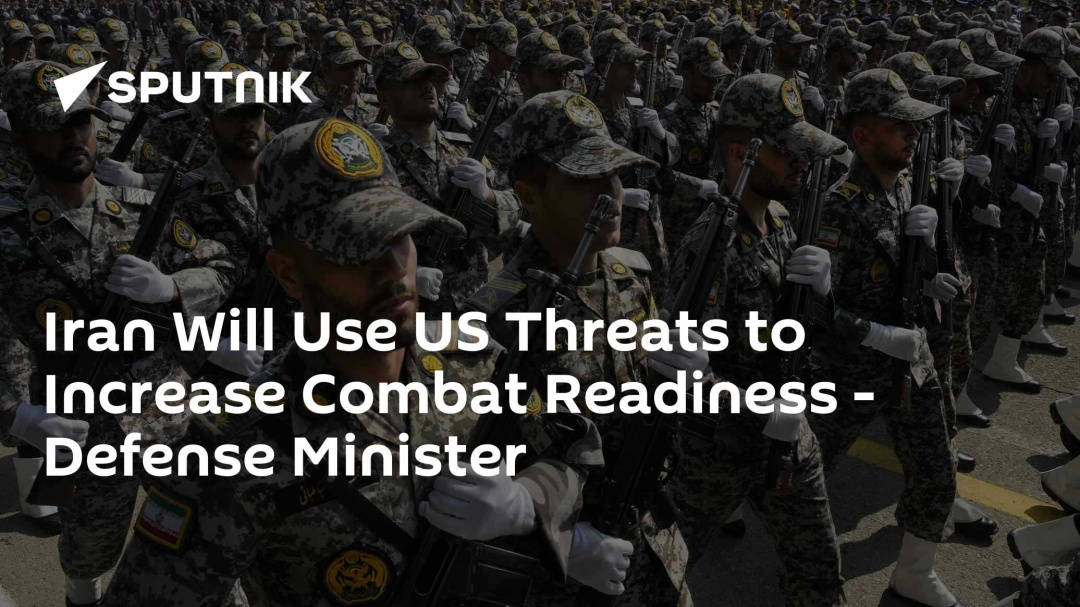
In a world where every military threat seems to be a call for action, Iran’s Defense Minister Majid Ebn-e-Reza has taken a bold step, declaring that the United States’ threats will serve as the perfect excuse to ramp up the country’s combat readiness. Because who needs a valid reason for military enhancements when you have the good old ‘they said something mean to us’ defense strategy?
This latest announcement comes amid ongoing tensions and the ever-revolving door of diplomatic memos that seem to be more like bad plot twists than legitimate policy shifts. Ebn-e-Reza emphasized that while the U.S. might be engaging in a psychological warfare campaign, Iran is absolutely prepared to take every threat seriously. In fact, it seems the Iranian military is planning to turn all those U.S. statements into a motivational poster: "When life gives you threats, make combat readiness!"
Still Beats Watergate:
Sponsor success. Continue reading:
The Iranian Minister's statement reflects a growing trend in international relations—where threats are now not just warnings but also excellent opportunities for a military upgrade. Why wait for a clear signal to bolster your defenses when you can simply interpret every tweet from Washington as a call to arms? This is what we call proactive strategy, or as it may soon be known, the "Threat-to-Readiness" model.
Moreover, Ebn-e-Reza’s comments come at a time when Iran’s military has been busy responding to U.S. strikes in the region, which they claim are retaliatory actions against perceived Iranian threats to commercial vessels. It seems the only thing being threatened here is the concept of diplomacy itself, as both sides gear up for a showdown that feels like a low-budget action film.
In a plot twist worthy of the finest political thrillers, U.S. President Trump recently remarked that any ceasefire agreements were essentially null and void, thus opening the floodgates for further military posturing. The Iranian response? Perfect! More fuel for their combat readiness fire. Who knew that international relations could resemble a high-stakes game of poker, where the stakes are nuclear capabilities and the bluffing is just a tweet away?
While the Iranian government seems to revel in this new approach to national defense, one has to wonder about the internal messaging. Is every military official now required to keep a journal of U.S. threats for future reference? Will there be a performance review based on how many times they can use a U.S. threat as a reason for new tanks? It’s bureaucratic genius, really—a way to legitimize the procurement process without having to actually, you know, justify it.
As the world watches this high-stakes game unfold, one thing is clear: the next time you hear a threat from the U.S., you might want to check in with the Iranian military to see how they’re upgrading their readiness. After all, in the theater of international politics, there’s no such thing as a bad threat—only untapped opportunities for combat readiness enhancements.