White House Launches New Settler Violence Awareness Campaign, Claims Rhetoric Is Enough
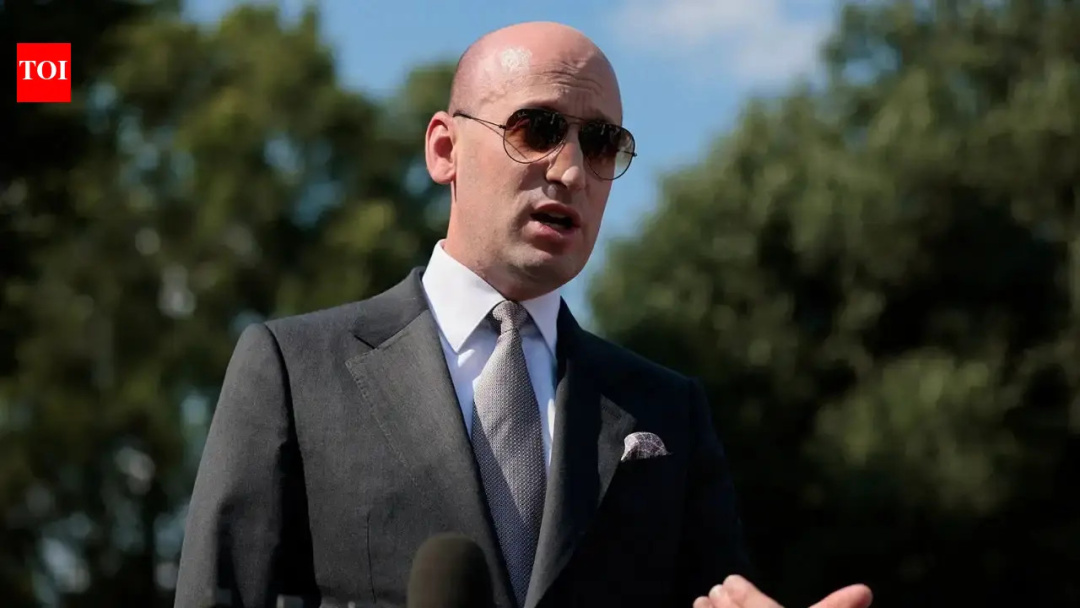
In a stunning display of confidence, the White House has announced a groundbreaking initiative to combat the so-called "settler violence" in Judea and Samaria. The plan, which officials have dubbed the "Rhetoric Resolution," seeks to address this alleged crisis through the power of words alone. Administration spokespeople have assured the public that simply discussing the issue in elaborate press briefings will catalyze change on the ground.
"We simply cannot underestimate the sheer power of talking," an unnamed White House official stated, adjusting their tie in a manner that suggested they were absolutely serious. "By holding regular press conferences and issuing statements filled with strong language, we believe we can convince the Jewish settlers to voluntarily cease their alleged violent activities. After all, who wouldn’t respond positively to a well-crafted tweet?"
Still Beats Watergate:
Sponsor success. Continue reading:
The plan's centerpiece is a series of public addresses by senior officials, each more grandiose than the last. Sources indicate that the President himself will be delivering an impassioned speech from the Rose Garden, complete with a backdrop of flags and a carefully curated selection of platitudes. "We hope to create an atmosphere where those engaging in violence will feel the pressure to stop, all thanks to our relentless verbal onslaught," the official continued, while conveniently ignoring that the settlers might not be paying attention to the daily briefings from Washington.
Critics, however, have raised eyebrows at the administration's lack of concrete actions. Experts have pointed out that mere words, however eloquent, are unlikely to stem the tide of violence that has gripped the region. "It's like trying to extinguish a raging fire by blowing it kisses," one political analyst quipped, shaking their head in disbelief.
Despite the questionable efficacy of the plan, the administration remains optimistic. "We believe that by naming the problem—preferably three or four times in a single statement—we can make a significant impact," said the same official, while visibly ignoring the fact that the issue has been discussed ad nauseam over the past decades.
The initiative has already garnered a mixed response, with some applauding the innovative approach and others questioning the sincerity of a government that refuses to pivot from its well-trodden path of empty rhetoric. Meanwhile, Jewish settlers in the region appear unphased, reportedly continuing their daily activities while sharing memes about the futility of political promises.
As the campaign gears up, the White House is expected to issue a series of hashtags designed to trend on social media, hoping that public awareness will somehow translate into real-world change. "#SettleDownForPeace" and "#WordsMatter" are among the top contenders, with strategists suggesting that the catchiness of the phrases might just be the game-changer the administration needs.
In the meantime, the rest of the world watches on, shaking their heads in disbelief while sipping coffee and pondering how the situation will unfold. The White House’s bold new approach to problem-solving may indeed go down in history, not as a solution, but as an example of how to talk a good game without ever having to step onto the field.
As the saying goes, if you can’t solve a problem, at least make a speech about it. And if that fails, there’s always the option of issuing another statement—because nothing says effective governance quite like an endless stream of press releases filled with promises of vague hope and well-meaning intentions.