President Herzog Launches New Campaign Against Blasphemy and Mayoral Rhetoric
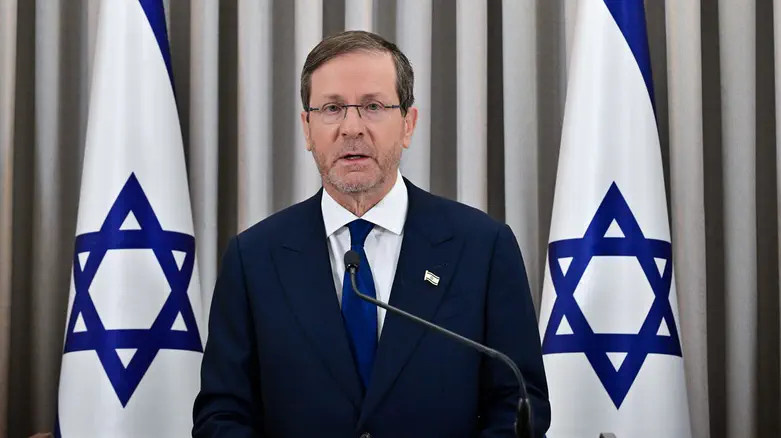
In a riveting display of diplomatic flair, President Isaac Herzog has declared war on what he calls the burgeoning epidemic of blasphemy, particularly as it pertains to New York City Mayor Zohran Mamdani's recent comments about Israel. During an exclusive tête-à-tête with Fox News, Herzog asserted that Mamdani is not merely a mayor but a purveyor of anti-Jewish sentiment, undermining public safety in the Big Apple with his incendiary rhetoric. Herzog’s proclamations come complete with a warning: Mamdani's words could put the safety of his constituents at risk, a captivating twist in the ongoing saga of political posturing.
The mayor's offense? Labeling Israeli Prime Minister Benjamin Netanyahu as a war criminal and accusing him of orchestrating genocide. Herzog, sporting a frown that could curdle milk, remarked that such blasphemy must not be tolerated in a city that is "dear to our heart, dear to the Israelis, and dear to me personally." It seems Herzog is calling for a new set of speech codes, perhaps a sort of linguistic license for public officials to ensure they toe the line of acceptable discourse. Who knew that political correctness had crossed the Atlantic?
Still Beats Watergate:
Sponsor success. Continue reading:
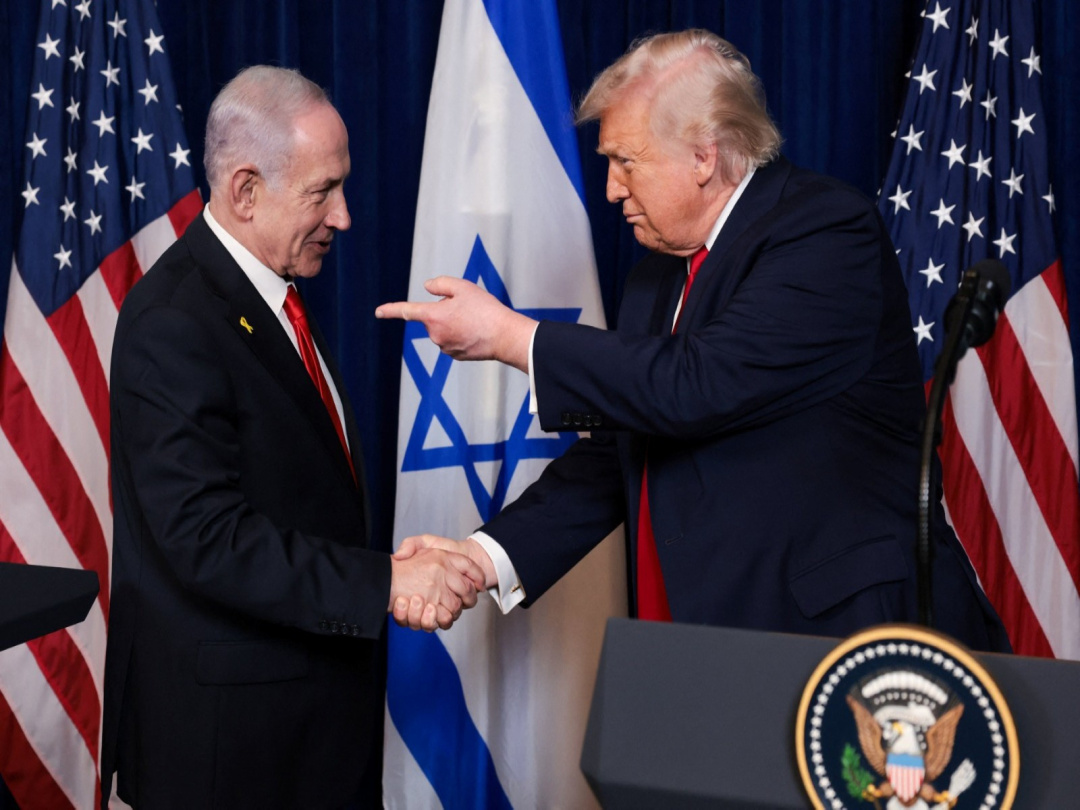
In a masterstroke of irony, Herzog praised former President Trump, highlighting his 'historic moves' such as relocating the U.S. Embassy to Jerusalem and recognizing Israeli sovereignty over the Golan Heights. Herzog's admiration for Trump, who has a penchant for hyperbole akin to a Broadway dramatist, suggests that perhaps the line between political commentary and theatrical performance is not as rigid as one might think. After all, who needs a UN resolution when you can have a good ol' fashioned reality show?
As Herzog navigates the treacherous waters of international diplomacy, he raised an eyebrow at the International Criminal Court, suggesting that the recent dismissal of its chief prosecutor was merely a diversion from his legal troubles. Herzog’s conspiracy theory that Karim Khan issued arrest warrants to distract from personal misconduct adds a new layer of intrigue, reminiscent of a plot twist from a poorly written soap opera. One can only wonder if future diplomatic dialogues will include discussions about the prosecutor's Netflix viewing habits.
Yet, amidst this political theater, Herzog remains optimistic about the future of Gaza, envisioning a peace roadmap inspired by Trump. The president's audacious proposal comes with a non-negotiable clause for disarmament, as if Hamas would simply nod in agreement and hand over their weapons like an overzealous student returning overdue library books. Herzog’s belief that there exists a viable plan for Gaza is commendable, though one might ponder if it includes a few trips to fantasy land.
In a world where political theater often overshadows substance, Herzog's interview provides a stark reminder that the realm of international relations is less about facts and more about the grand performance. As the curtain falls on this latest act, one can only hope that the audience—comprised of citizens who bear the brunt of these theatrical displays—will demand a script that prioritizes genuine dialogue over the bluster of blasphemy.