Sánchez's Migrant Meltdown: A Political Masterclass in Backpedaling
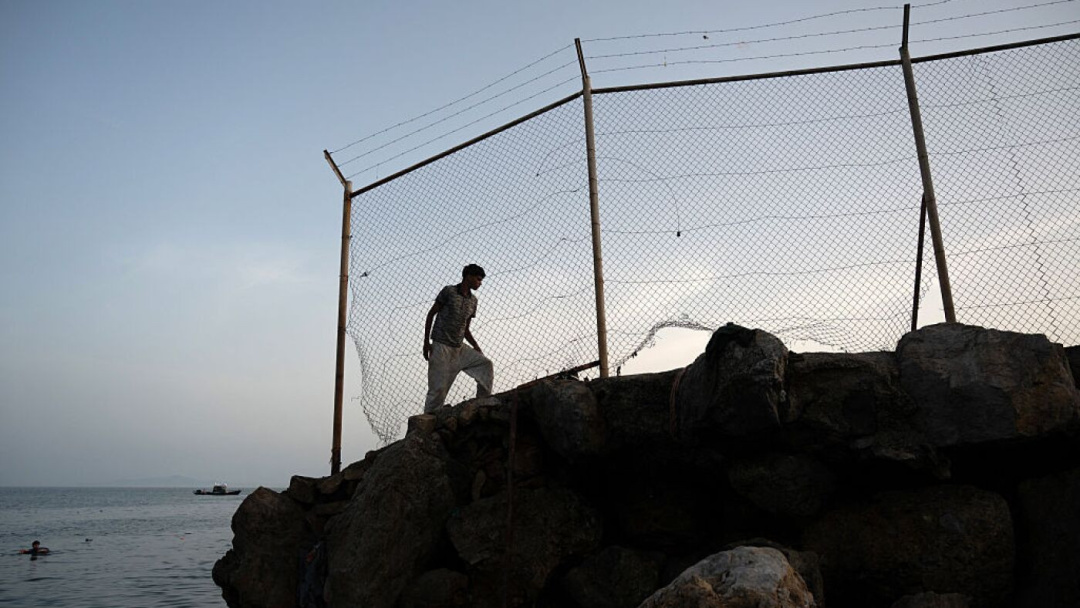
In a scene straight out of a political farce, Spanish Prime Minister Pedro Sánchez took to the podium in Ceuta, armed not with a plan, but with a rapidly deflating ego. What was once a shining moment for Sánchez as a champion of migrants has now turned into a masterclass in the art of backpedaling, much like a cyclist who suddenly realizes they’ve pedaled into a brick wall. After a staggering 60,000 migrants crossed from Morocco into the Spanish enclave, Sánchez appears to have traded in his superhero cape for a cloak of confusion.
The media spectacle reached new heights as Sánchez attempted to spin this migration crisis into an opportunity for a national pep talk. "We must remain steadfast in our commitment to humanitarian values!" he declared, while simultaneously crafting a new policy that reads like a panic-induced memo from a beleaguered intern. The new directive, tentatively titled "Operation: Quick Escape," emphasizes strict border enforcement while maintaining a façade of compassion. It’s a remarkable feat of cognitive dissonance, akin to a vegan chef suddenly endorsing a barbecue festival.
Still Beats Watergate:
Sponsor success. Continue reading:
If the situation weren’t so dire, one might find it amusing to watch the administration scramble to regain control. Reports suggest that emergency meetings are being held in the basement of the Palacio de la Moncloa, where officials are frantically throwing around ideas like confetti at a wedding. Rumors of a proposed reality show, "Survivor: Ceuta Edition," have surfaced, but insiders confirm that the only contestants are bureaucrats trying to outwit each other in the game of public relations.
Political analysts are scratching their heads, attempting to make sense of Sánchez’s drastic shift from pro-immigration hero to someone who might as well be handing out eviction notices at the border. It’s almost as if he received a memo from the future warning him that his popularity could evaporate quicker than you can say "xenophobia." Thus, he’s now positioned himself as the reluctant gatekeeper of Spain, determined to prevent any further influx of migrants while simultaneously trying to hold on to his progressive credentials.
In a stunning twist, the backlash has come not just from the opposition but also from his own party members, who are reportedly forming a support group called "Migrants Anonymous." Their mission? To help Sánchez come to terms with the fact that being pro-migrant isn’t as trendy when the numbers start looking less like a humanitarian crisis and more like a scene from a disaster movie.
As the situation in Ceuta continues to unfold, one thing is clear: Sánchez is in for a bumpy ride. His political future now hinges on whether he can navigate this minefield without stepping on his own message or, worse yet, his own foot. So, while the rest of us watch with popcorn in hand, we can only hope that this political drama doesn’t end with Sánchez trapped in a corner, desperately arguing about how he was always a firm believer in compassion—just not this much compassion, thank you very much.