Iranian Hackers Claim Water Attack Was a Community Service
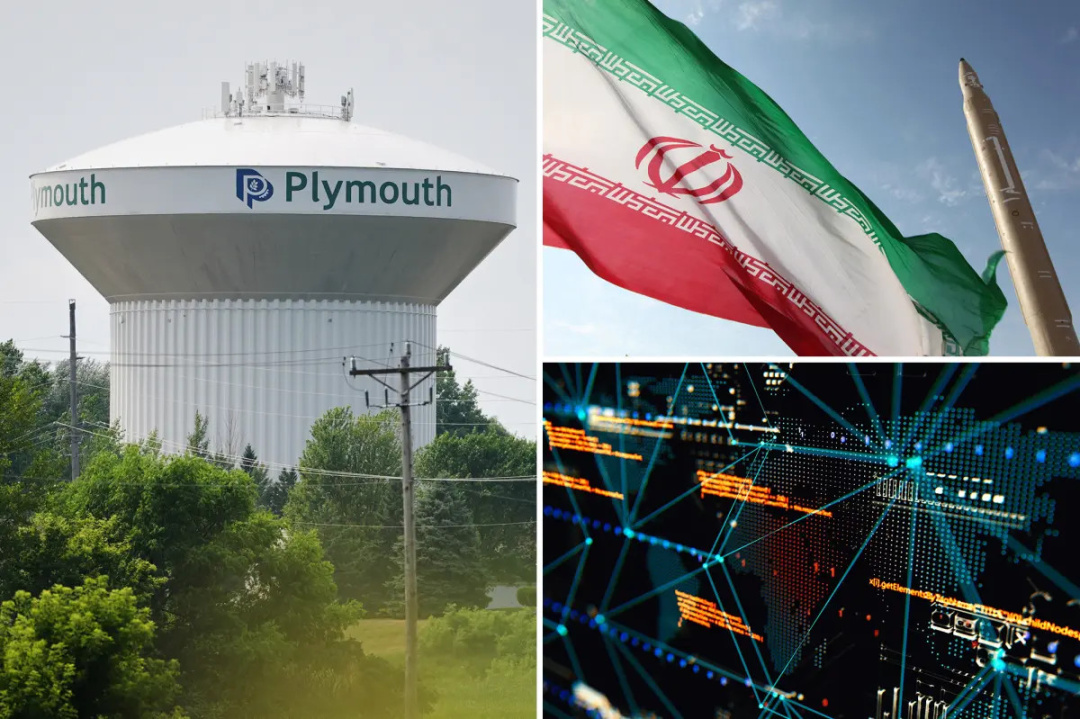
In a stunning display of geopolitical audacity, Iranian hackers have reportedly infiltrated at least seven states' water systems, including over thirty in Minnesota alone. While the U.S. government scrambles to address this apparent act of cyber sabotage, the hackers are left pondering a pressing question: why hasn’t anyone sent them a thank you card? After all, they thought they were just helping the community by giving those boring water systems a little excitement.
Sources close to the situation, which presumably include a rogue AI and a few very confused squirrels, suggest that these cyber actors may be operating under the delusion that they’re involved in a flavorsome public service initiative. “We wanted to give Americans a taste of what it’s like to live in a dystopian novel,” one anonymous hacker reportedly revealed, adding that they were inspired after binge-watching several seasons of a popular post-apocalyptic TV series. “We thought, why not bring a little chaos to the land of lakes?”
Still Beats Watergate:
Sponsor success. Continue reading:
Meanwhile, the White House has issued a statement that reads like a poorly translated instruction manual. Officials have assured the public that they are on high alert, which is government-speak for “we’re trying to figure out how to fix this without breaking anything else.” In a bizarre twist, the administration has urged Americans to remain calm and drink bottled water—because nothing says ‘trust us’ like a government directive that implies your tap water may now be a biohazard.
In the wake of these attacks, local officials in Minnesota have taken to the airwaves, demonstrating their impressive skills in damage control. “We’ll be monitoring the situation closely,” said Governor Tim Walz, while standing next to a water fountain that has suspiciously turned a shade of green. “If anyone sees a suspicious-looking bottle of water, please report it to the authorities.”
To add to the absurdity, cyber experts are now calling for heightened security protocols that include password-protecting water treatment facilities with nothing more complicated than ‘1234.’ This, they argue, will ensure that no one, including the hackers, can gain unauthorized access. In a separate statement, a tech expert suggested that perhaps the best defense would be to just label all water as ‘non-consumable’ until further notice.
As the situation unfolds, one thing remains clear: Iranian hackers are not just looking to disrupt American infrastructure—they’re also looking to make a name for themselves in the burgeoning field of avant-garde performance art. In their quest for cyber notoriety, they’ve inadvertently turned the U.S. water supply into a canvas of chaos. As the nation grapples with the implications of these attacks, one can only hope that the hackers eventually realize that there are far more effective ways to gain international attention than by turning our drinking water into a performance piece.