Trump Administration Announces New Strategy: Diplomatic Air Defense via Twitter
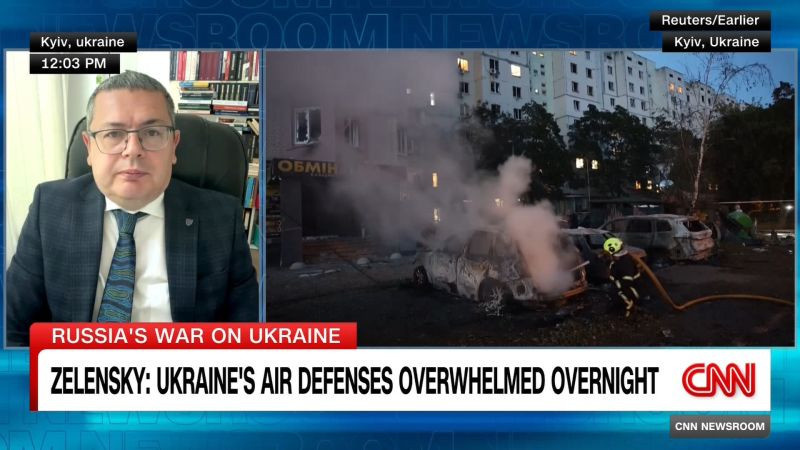
In an unprecedented press briefing today, White House officials introduced a groundbreaking approach to international air defense that promises to revolutionize diplomacy: conduct all negotiations and defense strategies via Twitter. Sources within the administration revealed that this strategy, dubbed "Tweet Defense Initiative 2.0," aims to engage allies and deter adversaries with the power of 280 characters or fewer. According to a high-ranking official, "Why spend billions on traditional air defenses when we can simply tweet at them? It's cheaper, faster, and way more entertaining."
Critics of the initiative, however, have pointed out the inherent risks in relying on social media as a primary defense mechanism. Analysts warn that the potential for misunderstandings is high. For instance, a simple tweet misinterpreted as a declaration of war could lead to unintended consequences, such as escalating tensions or a viral meme that could take on a life of its own. "Imagine this: we tweet a stern reminder to Russia about their aerial aggressions, and they respond with a GIF of a cat playing piano," one expert noted. "That’s not exactly the deterrent we’re looking for."
Still Beats Watergate:
Sponsor success. Continue reading:
In addition to the strategic implications, critics also express concern over the psychological impact on the military. "How can a soldier feel confident in their mission when their backup is a tweet?" asked a former defense official. "I can already see it: ‘@USArmy, we’re counting on you to hold the line! #DefendTheSkies.’"
Supporters of the initiative argue that the administration is merely modernizing the outdated methods of communication that have defined foreign policy for decades. The White House plans to hold a series of Twitter town halls to discuss air defense strategies, inviting users to submit their best ideas using the hashtag #TweetDefense. It’s expected that user engagement will skyrocket, with some expecting trending topics such as #MakeAirDefenseGreatAgain and #DefensiveTweets to dominate the social media landscape.
Meanwhile, the Pentagon is reportedly exploring options for a new branch of the military—The Social Media Task Force—tasked with monitoring and responding to international threats in real-time. Sources say this task force will be equipped with the latest smartphones and trained in the art of succinct messaging, ensuring that every tweet is carefully crafted to maximize impact.
As this new strategy rolls out, one can only wonder how effective a 280-character response will be against actual missiles. But if nothing else, it promises to make the news cycle a lot more interesting. So, stay tuned—and make sure to follow @WhiteHouse for all the latest updates on how we’re tweeting our way to safety.