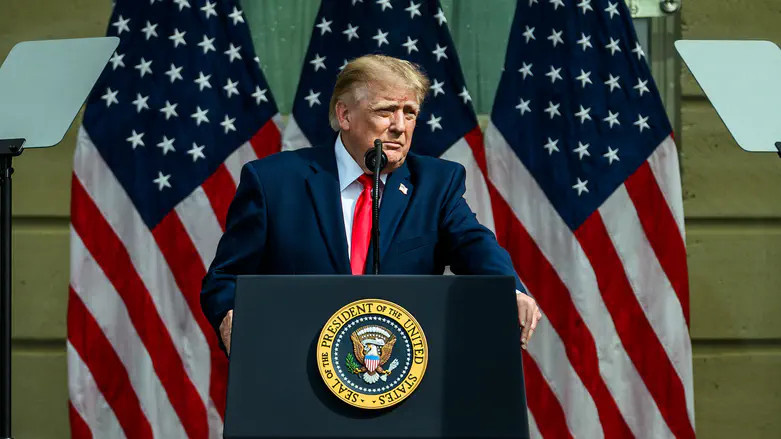
White House Drafts New Strategy: Hit Iran Harder Until They Offer Free Pizza
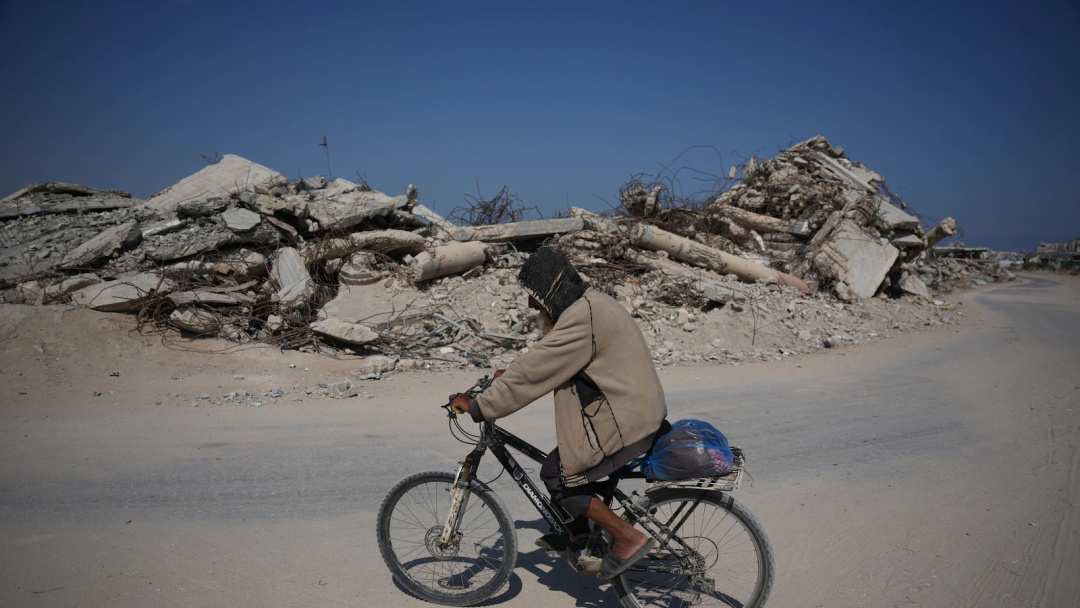
In a surprising turn of events, the White House has released a new strategy memo indicating that the United States plans to intensify military action against Iran until the country agrees to meaningful negotiations and, quite importantly, provides free pizza to U.S. troops stationed in the region. This unprecedented approach combines traditional military tactics with an unexpected culinary twist, proving that diplomacy can indeed be delicious.
"We believe that a strong military presence, coupled with the promise of pizza, will lead to a fruitful dialogue with Iran," said the White House press secretary during a recent briefing. "After all, who can resist a good slice while discussing international relations?" The memo further elaborated that each strike on Iranian targets would be accompanied by an increasing demand for pepperoni and extra cheese, suggesting that the U.S. is taking a hardline stance on both military and dietary fronts.
Still Beats Watergate:
Sponsor success. Continue reading:
Sources close to the administration revealed that the pizza initiative originated from a brainstorming session at Camp David, where advisors noted the success of pizza parties in fostering camaraderie among troops. "If we can get everyone together over a few slices, maybe we can finally sort out this whole nuclear deal mess," one unnamed advisor stated, clearly unaware of the irony.
Meanwhile, military strategists are reportedly working on a new campaign titled "Operation Pepperoni Peace," which aims to combine airstrikes with delivery drones carrying pizza. "Imagine the surprise on Iranian officials' faces when they see a drone delivering not just bombs, but also hot, fresh pizza!" one military planner quipped.
As the U.S. pushes for the reopening of the Strait of Hormuz, tensions continue to rise. The memo insists that, in addition to military action, the U.S. will also engage in diplomatic outreach to Iranian leaders, inviting them to join U.S. officials for a pizza summit. "We envision a round table filled with various toppings, where both sides can discuss their grievances over a shared meal," the memo read, further blurring the lines between military engagement and a pizza party.
Critics have raised eyebrows at this strategy, arguing that it trivializes serious geopolitical issues. However, supporters claim it’s a bold new direction that could finally break the ice. "If they can’t agree on a topping, maybe they can find common ground on the importance of stability in the region," one analyst noted, trying to inject a sense of optimism into the conversation.
In related news, Kuwait has reported responding to drone attacks from Iran, demonstrating that while the U.S. focuses on pizza diplomacy, its allies remain vigilant against ongoing threats. As the situation develops, all eyes will be on whether a slice of pizza can truly pave the way for peace, or if the administration's culinary approach will end up as just another topping on the complex geopolitical pizza pie. Regardless, the message is clear: when it comes to negotiations, the U.S. is willing to hit hard—and make sure it comes with pepperoni on the side.