Columbia Union Drops Divestment Demand, Prioritizes Pizza Over Politics
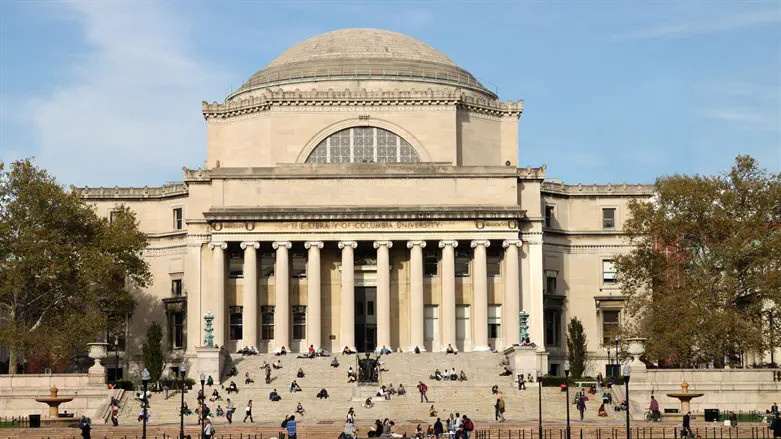
In an unexpected twist that has left political analysts scratching their heads, the Student Workers of Columbia union has decided to drop its demand for Columbia University to divest from entities accused of violating international law. Instead, the union is now focused on a far more pressing issue: ensuring that their next labor agreement includes unlimited pizza parties for all members.
During a recent press briefing, union president Grant Miner explained that negotiations are all about compromise. "You start off a campaign with one thing, and then as you bargain, you have to face the realities of where you are," said Miner, while holding a slice of pepperoni pizza aloft as if it were a trophy. This new strategy clearly indicates that the union’s priorities have shifted from international justice to the more immediate and pressing need for cheesy sustenance.
Still Beats Watergate:
Sponsor success. Continue reading:
The decision to drop the divestment proposal comes on the heels of the union's previous endorsement of the Boycott, Divestment, and Sanctions (BDS) movement, which was apparently a short-lived romance that fizzled out once they realized that pizza was a much better bargaining chip than abstract political rhetoric.
Sources close to the union have suggested that the pivot away from divestment was also influenced by a series of disappointing negotiations that revealed just how hard it is to get university officials to take anything seriously unless a slice of pizza is involved. After all, who can resist the allure of melted cheese and a crusty base when faced with the complexities of international law?
In a strategic move that is sure to earn them accolades in collegiate political circles, union members voted to retract the divestment item from their contract submission, instead proposing a new clause that outlines the number of pizzas to be provided at union meetings. The union is also considering adding toppings as a negotiable benefit, which may include the ever-popular pepperoni, but they are still debating whether pineapple should be allowed on campus.
As the negotiations continue, it seems that Columbia’s administrative leaders may have inadvertently stumbled upon a successful tactic for appeasing student workers: simply keep the pizza coming. While the union’s previous demands for international accountability have been tossed aside like a stale crust, the hope for a steady supply of pizza appears to be the new golden ticket to labor peace.
In a world where political movements often get bogged down by ideology and lofty goals, perhaps this shift toward pizza-centric negotiations is a sign of the times. After all, what could possibly unite students and administrators better than a shared love for pizza? It’s a deliciously absurd strategy that might just revolutionize how unions negotiate in the future, one slice at a time.
As the clock ticks down to the next contract deadline, one thing is for certain: Columbia University may soon become the first institution of higher learning to secure a labor agreement that includes an all-you-can-eat pizza clause, proving once again that when negotiations get tough, the tough get cheesy.