Spain’s Migrant Crisis: When Blame Meets Bureaucracy
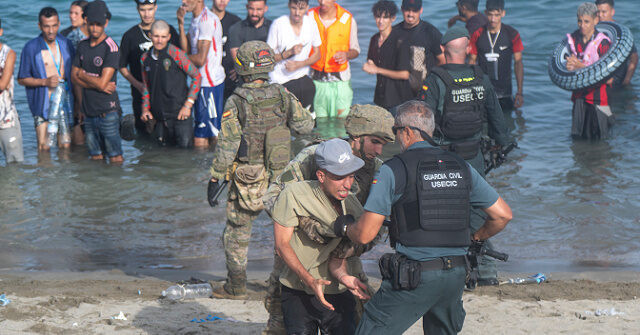
In an unexpected twist of political theater, Spain’s Transport Minister Óscar Puente has ignited a diplomatic firestorm by casually fueling online theories that blame Israel for the country’s ongoing migrant crisis. As if the situation wasn’t chaotic enough with thousands of migrants crossing the border from Morocco, Puente’s social media post has transformed a humanitarian emergency into an international blame game, proving once again that when life gives you a crisis, just add scapegoats.
The backdrop to this drama is Madrid’s struggle to manage an unprecedented surge of migrants arriving in the North African enclave of Ceuta, which has prompted the deployment of military forces and an official state of emergency. Amidst this chaos, Israeli U.N. Ambassador Danny Danon had the audacity to criticize Spain’s handling of the situation, which apparently was the cue for Puente to jump into the fray with a tweet that said, "Well, things are starting to become quite clear." The clarity, of course, is nothing more than a fog of conspiracy theories.
Still Beats Watergate:
Sponsor success. Continue reading:
As the situation spiraled, conspiracy theories blossomed like weeds in a neglected garden. Spanish politicians and commentators quickly latched onto the idea that Israel, perhaps feeling a bit peckish for international drama, was orchestrating this migrant crisis as a form of retaliation against Prime Minister Pedro Sánchez’s government. Because, naturally, when you think of a crisis involving thousands of desperate migrants, the first culprit that springs to mind is always the Middle East.
In an impressive display of political misdirection, Danon accused Spain of hypocrisy while simultaneously ignoring the sheer absurdity of suggesting that Israel has the capacity or interest to manipulate migration patterns in North Africa. Meanwhile, Puente’s cryptic endorsement of these online claims has provided ample fodder for those eager to conjure up tales of international intrigue, all while the actual border crisis rages on.
As Spain grapples with accusations of “an invasion” from the opposition and warnings from Italy about the implications for Europe’s borders, one can only wonder if the Spanish government has considered the possibility that the real crisis is not just about migrants but about their own inability to manage the narrative. The truth appears to be that the situation in Ceuta is less a matter of international conspiracy and more a reflection of local governance failures.
Meanwhile, the Israeli government has been quick to disavow any connection to these theories, asserting that Danon’s remarks do not reflect the official stance of the state. This, of course, is akin to a magician revealing how a trick is done; it doesn’t make the show any less entertaining. And as the Spanish government mobilizes military units and increases naval assets to patrol the coast, one can’t help but think that they should also consider deploying a few skilled communicators to handle the media circus.
In the end, the migrant crisis in Ceuta has become a perfect storm of bureaucratic ineptitude and political theater, where every tweet and every accusation serves to distract from the fundamental issues at hand. As Spain works to restore order, perhaps the real lesson here is that in politics, when in doubt, just blame someone else and hope no one notices the mess you’re making.















