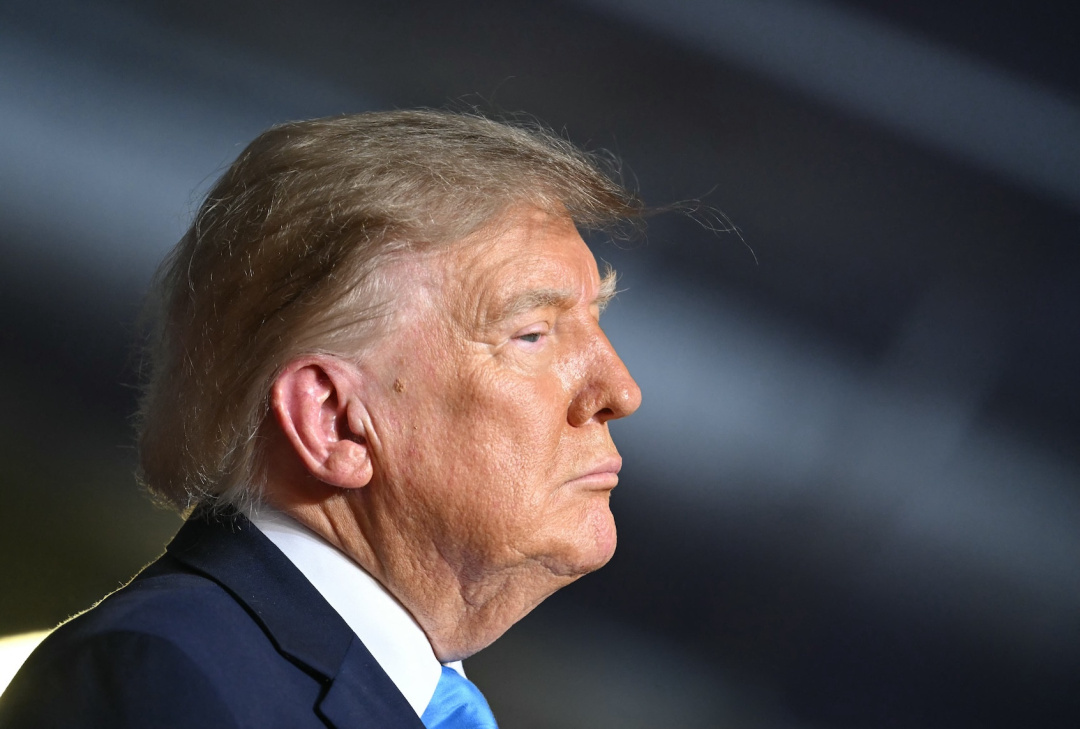
Trump Points Finger at Minnesota, Blames Water Crisis on State's 'Corrupt' Governor
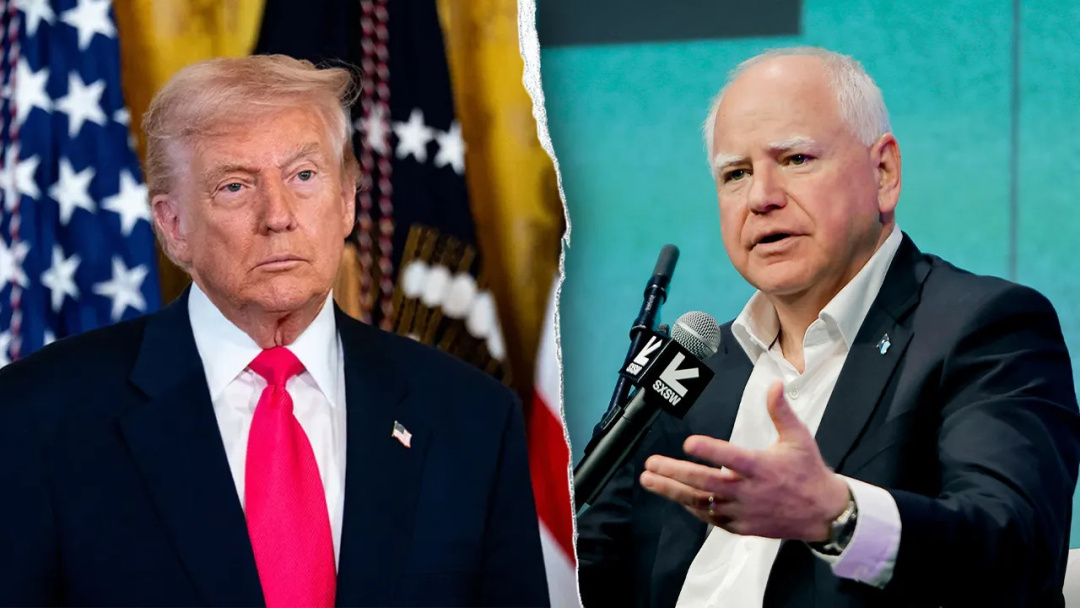
In a dramatic display of cognitive dissonance, President Trump has once again managed to pivot the narrative surrounding a serious cyberattack on Minnesota’s water systems, opting to blame the state’s governor, Tim Walz, for what he calls gross incompetence rather than the actual threat posed by Iranian hackers. During a Cabinet meeting at Camp David, where he undoubtedly felt the weight of international cyber warfare pressing on his shoulders, Trump declared, "Iran has bigger problems than worrying about Minnesota," as though the Middle East’s geopolitical tensions hinge on the adequacy of Minnesota’s public services.
This latest episode of presidential improvisation raises the question: what would it take for the President to accept external threats as legitimate? Apparently, not even a coordinated cyberattack on over thirty water systems is enough to shake his faith in the local governance of the Land of 10,000 Lakes. Perhaps he believes Minnesota should simply install better Wi-Fi passwords and engage in a little good old-fashioned diplomacy with hackers from Tehran. After all, nothing says national security like blaming a state governor for a crisis that reads more like a plot twist in a political satire than a real-world emergency.
Still Beats Watergate:
Sponsor success. Continue reading:
The cyberattack, which was reported to have disrupted operational technology at numerous community water systems, is a significant issue. However, the President’s astute assessment of local governance seems more like a poorly executed political maneuver than a sound strategy for addressing cybersecurity. In his mind, it appears the real villains are not foreign operatives but rather the elected officials tasked with managing state services. It’s a classic case of deflection, an art form perfected during his presidency.
While federal agencies have warned of Iranian-affiliated hackers targeting U.S. infrastructure, Trump’s focus on Walz might suggest a deeper strategy: if you can’t solve the problem, at least make sure everyone knows who to blame. This approach not only serves to shift the spotlight away from the severity of a national security threat but also allows Trump to reinforce his narrative of corruption within the political establishment—a narrative he seems to find particularly salacious.
In a world where reality often defies logic, this incident might just be a new benchmark for political absurdity. As the President finds comfort in laying blame on state officials, the actual hackers continue their work unencumbered, likely enjoying the confusion they’ve sown. Perhaps they’re taking notes from the White House playbook on how to turn a crisis into an opportunity for personal gain.
As Minnesota grapples with the fallout of this attack and the President remains steadfast in his accusations against the state’s leadership, one can only wonder if this is just the first act in a larger drama. After all, in the theater of politics, the show must go on, and there’s nothing like a good scapegoat to keep the audience entertained while the real issues simmer in the background. As for the people of Minnesota, they can only hope their water remains uncontaminated while the political waters grow ever murkier.