State Department’s Cuba Report: A Masterclass in Ideological Theater
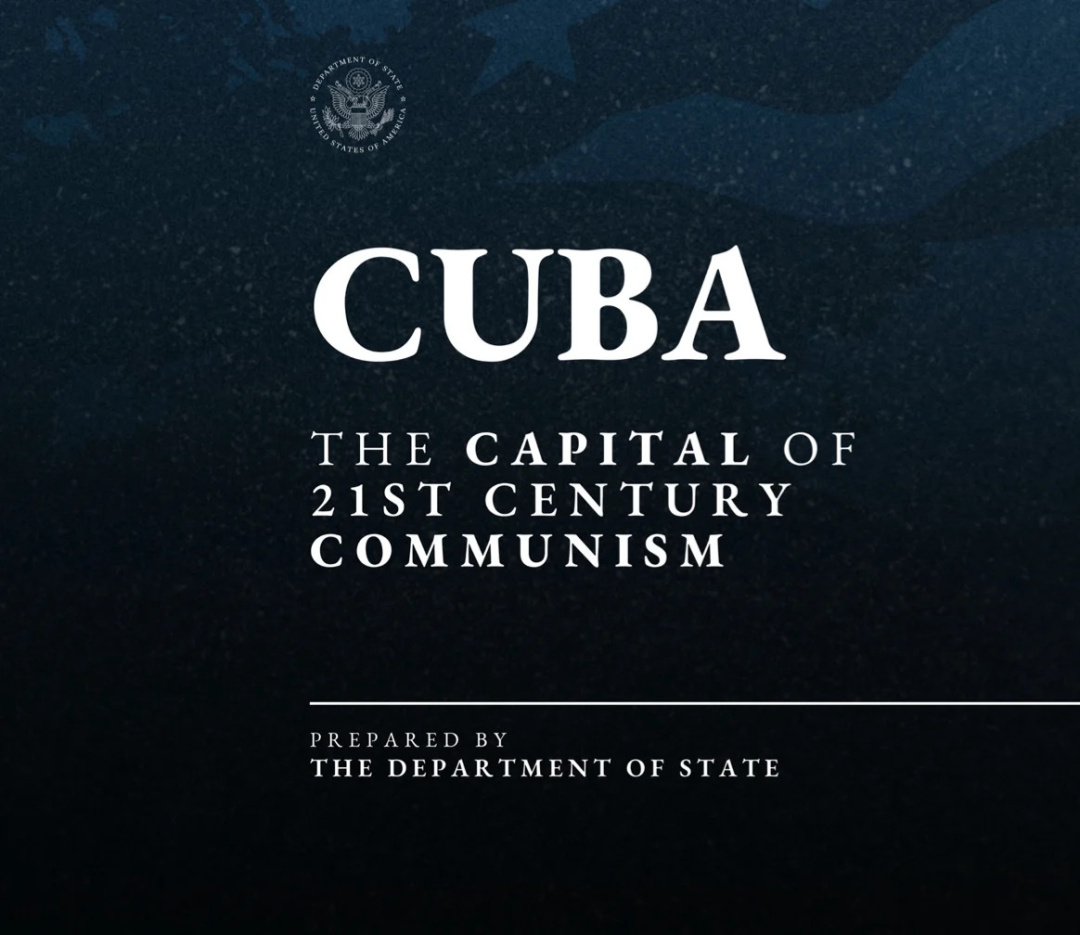
In a remarkable display of bureaucratic bravado, the State Department has unveiled its latest report, "Cuba, the Capital of 21st Century Communism," which reads like a script penned by a conspiracy theorist with a penchant for melodrama. The report does not merely assess the situation in Cuba; it swings for the fences, portraying the island as a veritable hotbed of espionage and subversion, complete with a cast of American activists allegedly manipulated into a revolutionary frenzy.
As if channeling a Hollywood blockbuster, the report alleges that the Cuban government has perfected a new model of warfare that relies on espionage and sabotage rather than traditional military might. One can almost picture the agents in trench coats, whispering secrets in dark alleys, while Cuba itself plays the villain in this geopolitical thriller. Perhaps the next installment could even feature an action sequence involving the capture of an unsuspecting American activist, complete with a dramatic rescue by a team of undercover agents who, for some reason, are all named after fruits.
Still Beats Watergate:
Sponsor success. Continue reading:
The timing of this report is as impeccable as a sitcom laugh track. Released amidst heightened tensions and a fortified embargo reminiscent of the Cold War, it serves as a clarion call for a renewed aggressive stance toward Havana. The administration seems to relish the idea of painting Cuba not just as an adversary, but as a cunning mastermind orchestrating a global leftist uprising. The report, perhaps unwittingly, presents Cuba as a puppet master manipulating everything from Black Lives Matter to your average college student’s penchant for activism. One can only wonder if the next report will allege that Cuba is secretly controlling the weather, too.
In true bureaucratic fashion, the document mixes half-truths with exaggerated claims, creating an elaborate narrative that positions Cuba as the ideological capital of a global anti-American coalition. The notion that Cuba has infiltrated the Democratic Party and American universities is posited with the same gravitas as a high-stakes espionage thriller. One can imagine policymakers reading it while sipping coffee, nodding gravely as they contemplate the grave threat posed by a small island nation.
However, the pièce de résistance of this report is the claim that Cuba has managed to influence modern social movements, suggesting that every protest march is but a pawn in Havana's grand strategy. The parallels drawn between Cuba's revolutionary rhetoric and the struggles of marginalized groups in the U.S. are so far-fetched that they could easily be mistaken for an episode of a poorly scripted political drama.
In a final flourish, the report outlines a chilling vision for the future: a world where Cuba's influence spreads unchecked, subverting American values and ideals. But fear not, dear citizens! The report serves as a moral justification for the administration's impending actions, framing harsh sanctions and direct interventions as necessary measures to protect democracy from the clutches of this ideological menace.
As the Trump administration tightens the screws on Cuba, this report stands as the ideological ammunition for a policy of regime transformation, a veritable playbook for political change. It’s less an objective analysis and more an energizing rally cry for those who believe that America is under siege from a tiny island nation. So brace yourself, because if this is the new standard for geopolitical reporting, the next chapter in this saga is bound to be even more outrageous than the last.