FIFA's World Cup Plans: How to Sell the Game to the Highest Bidder
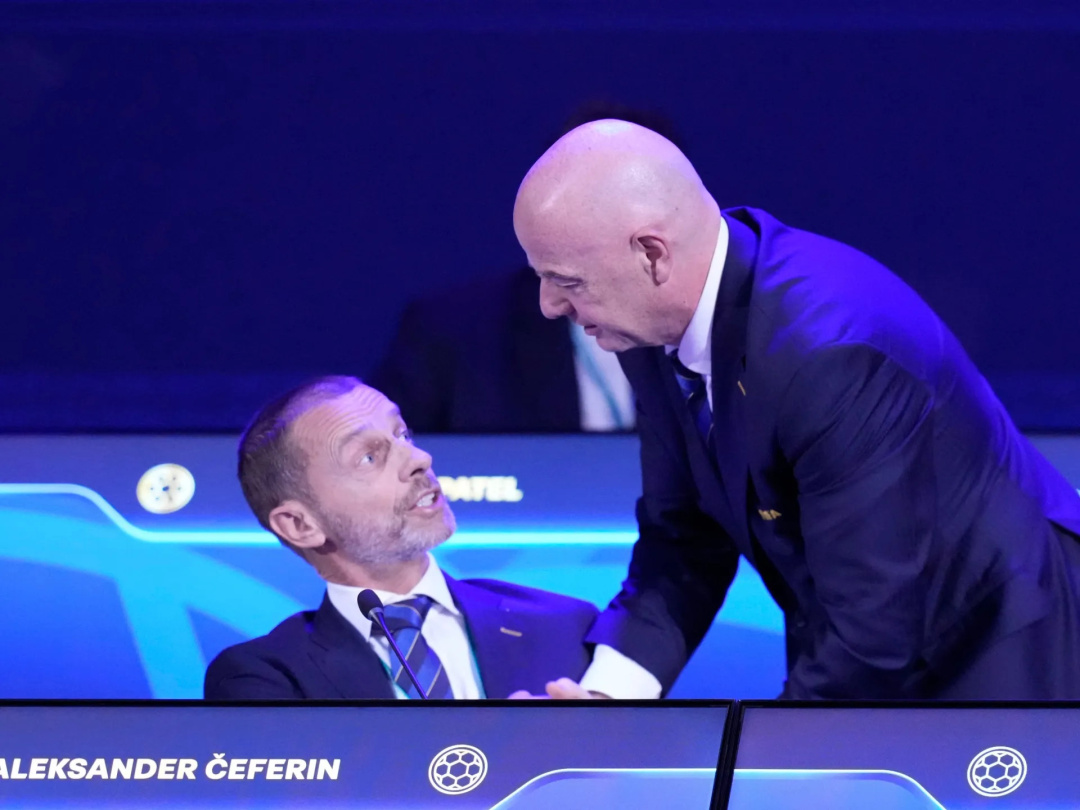
In a stunning display of corporate ambition, FIFA President Gianni Infantino has proposed a revolutionary plan to sell minority stakes in the World Cup to private investors, a move that many in the football community are calling a one-way ticket to the dark side. This ambitious idea, likely inspired by a fever dream of boardroom strategists, has left the world of football in a state of near hysteria, with UEFA and other governing bodies threatening boycotts faster than you can say "conflict of interest."
The plan, unveiled with all the subtlety of a bull in a china shop, involves enlisting private investors to buy a piece of the World Cup pie, previously considered sacred ground. Infantino's pitch comes complete with a tight deadline, demanding support from FIFA's 211 member federations by September 19. That’s right, folks—time to decide if the beautiful game should be treated as a mere commodity. UEFA's response has been nothing short of a united front: a unanimous vote to boycott future World Cups unless the proposal is scrapped. Talk about a power play.
Still Beats Watergate:
Sponsor success. Continue reading:
The European football governing body, which could easily be confused for an angry mob at this point, has declared that treating the World Cup as an investment product is "irresponsible and indefensible." Who knew the fate of the sport hinged on a financial strategy that sounds more suited for a Wall Street trading floor than a football pitch? UEFA's resolution echoes a sentiment shared by most: the World Cup is a legacy, not a stock option.
Meanwhile, Infantino, seemingly unfazed by the turmoil he’s sparked, has chosen to blame the media for the backlash, asserting that their reports disrupted his carefully orchestrated consultation process. Yes, because nothing says transparency like a secret investment plan announced with all the finesse of a fire drill. The irony of an organization notorious for its opaque governance attempting to blame the press for their predicament is rich enough to feed a small nation.
As the clock ticks down, the pressure mounts not just on Infantino but on all FIFA affiliates. The Asian Football Confederation, once an ally, has joined the chorus of dissent, calling for an urgent review of FIFA's decision-making processes. It appears that even Infantino’s closest supporters are beginning to question whether he has lost the plot entirely.
Yet, as chaos reigns, Infantino has his sights set on re-election next March, hoping to secure a fourth term amidst this financial fiasco. If FIFA’s current crisis is any indication, the road to the presidency may be paved with broken promises and a few shattered dreams. And while the football world waits with bated breath, one thing is certain: selling the World Cup may just be the most audacious gamble yet—one that could leave FIFA holding the bag when the final whistle blows.