AAUP Endorses Candidate, Cites Historical Neutrality as a Mistake

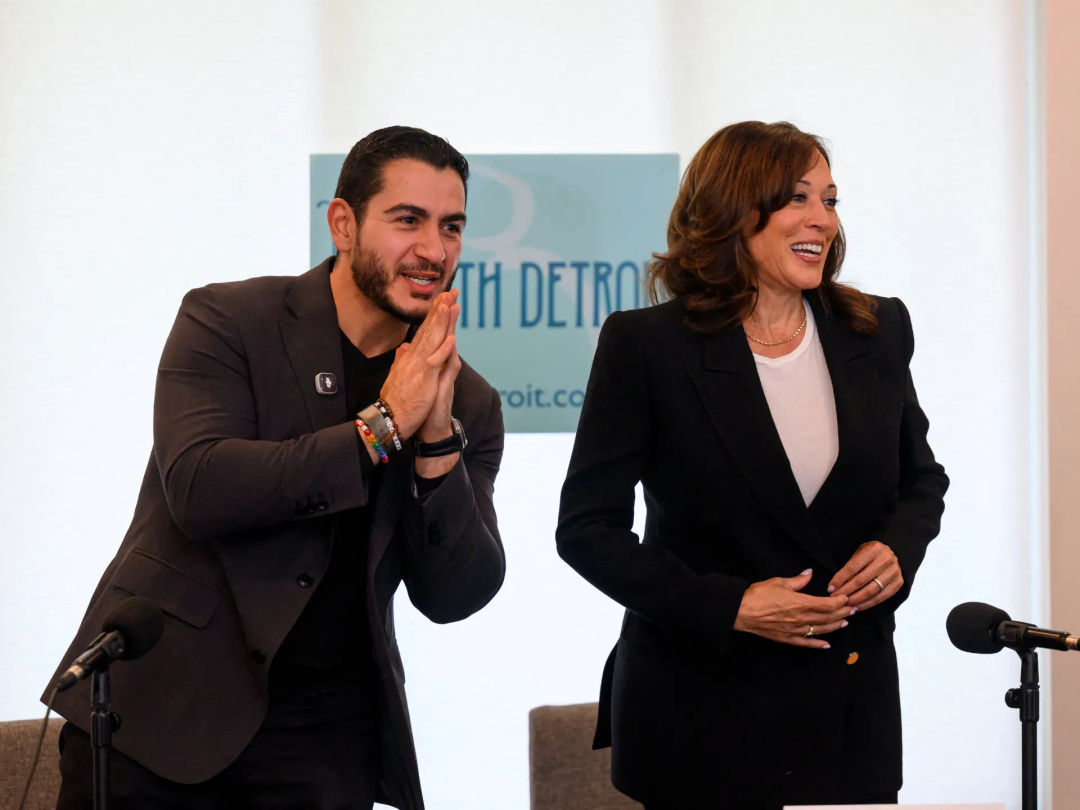
In an unprecedented move that has left many scratching their heads, the American Association of University Professors (AAUP) has officially endorsed a political candidate for the first time in its illustrious history. Yes, you heard that right. After decades of maintaining a stance that could only be described as ‘neutrality on steroids,’ the AAUP decided to break the mold by throwing their academic weight behind Michigan Democrat Abdul El-Sayed for the U.S. Senate. This bold choice has ignited a firestorm of debate over what it truly means to stand for academic freedom while simultaneously engaging in the messy business of politics.
One might wonder what prompted this sudden shift from the hallowed halls of neutrality to the raucous world of political endorsements. Could it be that the AAUP has finally realized that sitting on the sidelines while the political landscape is being shaped is not the best strategy for protecting academic freedom? Or perhaps they simply ran out of ways to say, "We are neutral" without sounding like they were trying to avoid taking a stand on a game of rock-paper-scissors.
Still Beats Watergate:
Sponsor success. Continue reading:
The rationale behind the endorsement, as articulated by the AAUP, is that neutrality is a delusion that has become increasingly untenable in a world where academic freedom is under siege from all sides. Apparently, the organization had an epiphany, realizing that their previous stance of sitting quietly while outside forces encroached upon academic spaces was not a sustainable strategy. It’s a classic case of realizing that a passive approach to academic freedom is about as effective as a screen door on a submarine.
Critics, of course, have emerged from the woodwork, suggesting that the AAUP's endorsement undermines its credibility by aligning itself with a political figure. One can almost hear the collective gasp echoing through academic circles, as professors everywhere clutch their pearls in horror at the thought of their beloved association stepping into the political arena. But, in a twist of irony, isn’t this the very arena where the battle for academic freedom is fought?
The AAUP’s newfound approach raises questions about how organizations like it should navigate the treacherous waters of political engagement. Should they embrace a more proactive stance, or should they continue to tiptoe around the political landscape while hoping for the best? The answer is likely as complicated as trying to explain quantum physics to a room full of cats.
As they embark on this new chapter, the AAUP must be prepared for the fallout. The academic community will be watching closely to see if this endorsement leads to a meaningful dialogue about the intersection of academia and politics or if it simply becomes another footnote in the annals of organizational blunders.
In the end, one thing is clear: the AAUP has taken the plunge into the political cauldron, and we are all left wondering what this means for the future of academic freedom. Will they rise as champions of the cause or sink into the political quicksand? Only time will tell, but in the meantime, grab your popcorn; this political theater is just getting started.