Japan's New Military Strategy: From Pacifism to Aggression, All in a Day's Work
In a stunning development from the land of cherry blossoms and sushi, Japan’s Prime Minister Sanae Takaichi has decided that decades of pacifism are so last century. It’s time for a military makeover, because who needs a peaceful legacy when you can have the latest in military technology? Armed with quips and a newfound sense of aggression, Takaichi is stepping onto the global stage, ready to redefine what it means to be a ‘normal’ country—cue the military parade.
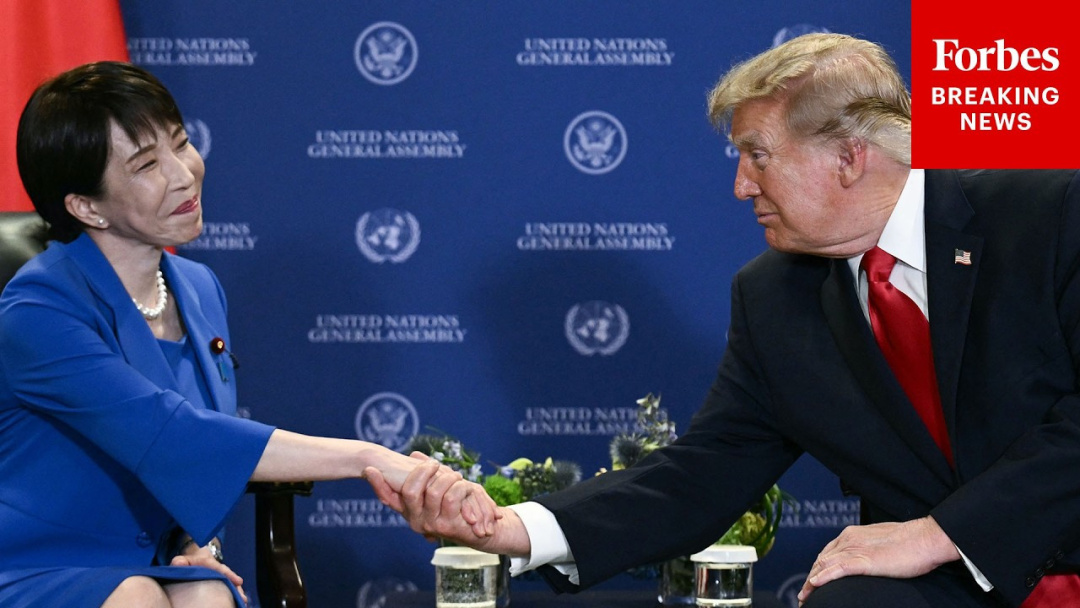
During a recent visit to the White House, Takaichi reportedly told President Trump that Japan was unable to send forces to secure the Strait of Hormuz due to its constitution. Article 9, which has been the bedrock of Japan's pacifist identity since 1947, is now apparently about as relevant as a flip phone. Takaichi’s government is advocating for a higher defense budget, looser arms export restrictions, and the audacious revision of Article 9. Apparently, the new motto is 'peace through superior firepower.'
Still Beats Watergate:
Sponsor success. Continue reading:
This pivot towards militarization has triggered a national identity crisis. Are they still the peace-loving nation that suffered through the horrors of World War II? Or are they transforming into a military powerhouse, ready to take on any adversary—presumably while still offering a side of sushi? Public opinion is mixed, as thousands rally for the preservation of the constitution, standing firm against what they see as reckless militarism. But Takaichi isn’t backing down; she’s channeling her inner Tony Stark, ready to suit up.
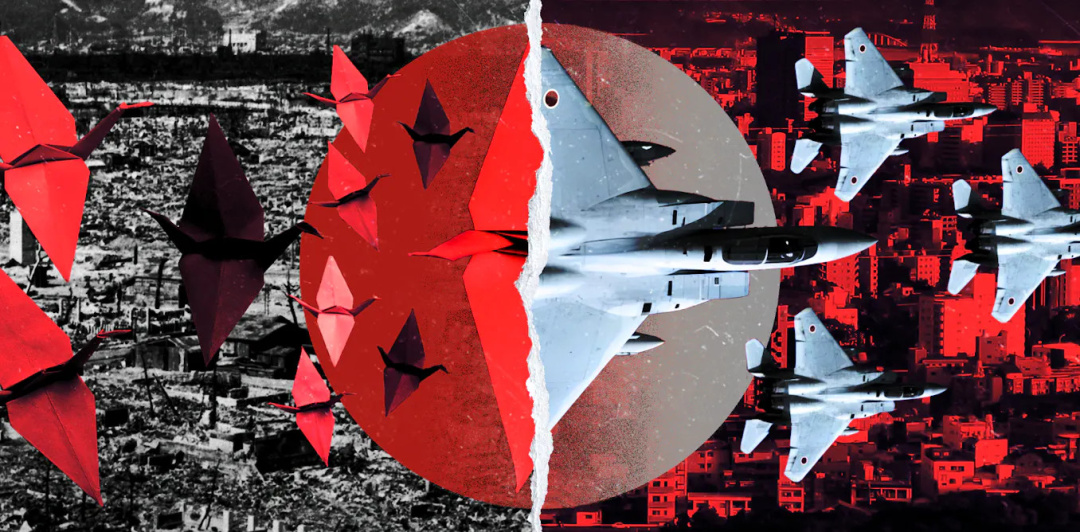
The irony here is rich. Japan's post-war identity was shaped by trauma, atonement, and a desire for peace. Now, with China and North Korea flexing their military muscles, Takaichi argues that Japan must also bulk up. It’s a classic case of 'everyone else is doing it, so why can’t we?' History has shown that pacifism in Japan is not just a static principle; it's a living, breathing debate influenced by memories of war and the haunting shadows of nuclear devastation.
As Takaichi champions her military ambitions, critics remind her of the past—when pacifism wasn’t just a policy but a moral compass. The legacy of suffering from the bombings and the narrative of victimhood still resonate, but now it seems they’re at odds with the shiny new vision of a militarized Japan ready to defend its 'normal' status.
The shift has sparked protests reminiscent of the massive demonstrations against U.S. military bases in the 1960s. Many citizens wonder how they can claim to be peace-loving while preparing to engage in foreign conflicts. Perhaps they should consider a new slogan: “Peace Through War.” Takaichi’s government might just be paving the way for a new era of Japanese exceptionalism—one where the SDF is not just a self-defense force but a key player in international military operations.
As the world watches with bated breath, the question remains: will Japan’s transformation into a military power redefine its identity, or is it simply a temporary detour on the long road of pacifism? With Takaichi at the helm, one thing is certain: the narrative of Japan is about to get a lot more complicated, and possibly a lot more explosive.