Campaigns and Crises: A Guide to Managing Reputational Risks Like a Pro
In an era where the stakes are higher than a cat on a roof, political campaigns are frantically scrambling to manage reputational risks like they're trying to catch a greased pig at a county fair. The recent revelation that the Iran war tops the Reputational Risk Index has campaign managers wondering if they should hire a crisis consultant or just invest in a good set of earplugs. After all, nothing says ‘we care’ like sounding like you’re holding a press conference in a wind tunnel.
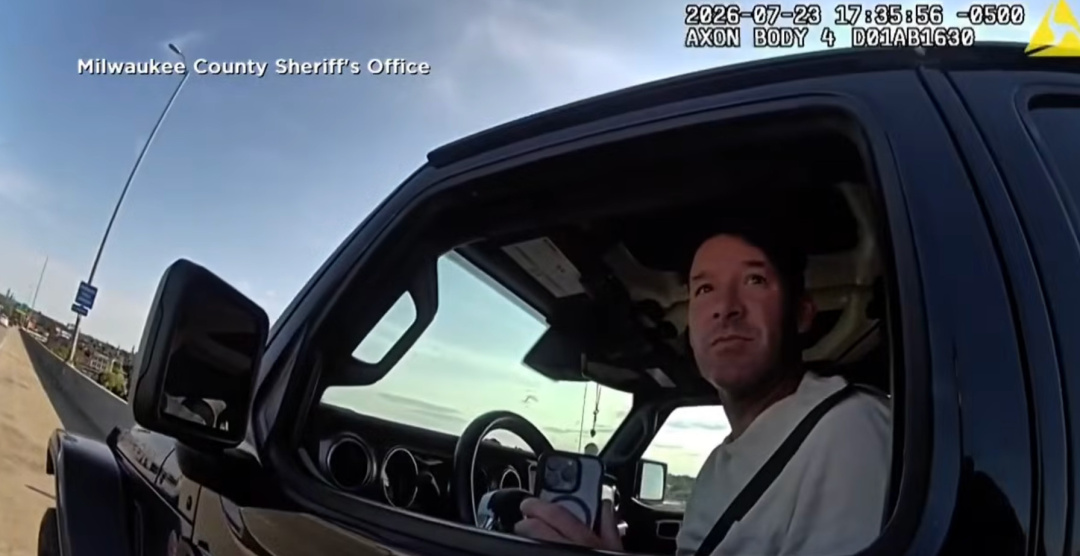
Meanwhile, Tony Romo's OWI crisis offers a masterclass in how to make a bad situation worse. His arrest not only turned heads but also sent PR professionals into a frenzy, crafting narratives faster than you can say “spin doctor.” The real lesson here? When in doubt, just blame it on the media. Pundits love a good scapegoat, and who wouldn’t want to divert attention from a DUI by discussing the latest gossip on CBS’s silence?
Still Beats Watergate:
Sponsor success. Continue reading:
Amidst these scandals, we find our unlikely hero: Jimothy the raccoon. Yes, a raccoon. This little furball has become the poster child for showing up when it matters most. If only political candidates could learn from Jimothy's unyielding ability to dig through trash and emerge with something shiny. As campaigns face challenges, they might consider hiring a raccoon as their official mascot. After all, if Jimothy can turn dumpster diving into a brand strategy, surely a campaign can turn scandals into opportunities.
In this brave new world of political campaigning, the key to survival is mastering the art of distraction. The best crises should be treated like a bad hair day—just slap on a hat and pretend it never happened. This philosophy should be the guiding principle for all campaign strategists moving forward. If your candidate has a scandal brewing, it’s time to plot a distraction that would make David Copperfield jealous. Perhaps a balloon release or an impromptu dance-off?
To further navigate these turbulent waters, the Office of Strategic Absurdity has released a new guide titled “How to Appear to Care While Actually Not Caring.” This groundbreaking document emphasizes the importance of using buzzwords like ‘transparency’ and ‘community engagement’ when what you really mean is ‘please don’t look at the mess behind the curtain.’ The guide also includes templates for crafting non-apologies that sound sincere but are as empty as a politician’s promise.
In conclusion, as the political machinery churns on, candidates must remember that the real secret to managing reputational risks lies in embracing the chaos. Whether it’s learning from raccoon antics or deftly avoiding accountability, the future of campaigning requires a mix of creativity, distraction, and a healthy dose of denial. Just remember, when the public is distracted by shiny objects, they’re less likely to notice the dumpster fire behind you. So let the campaigns roll on, and may the best raccoon win!