Trump's Grants: A Political Game Gone Wild
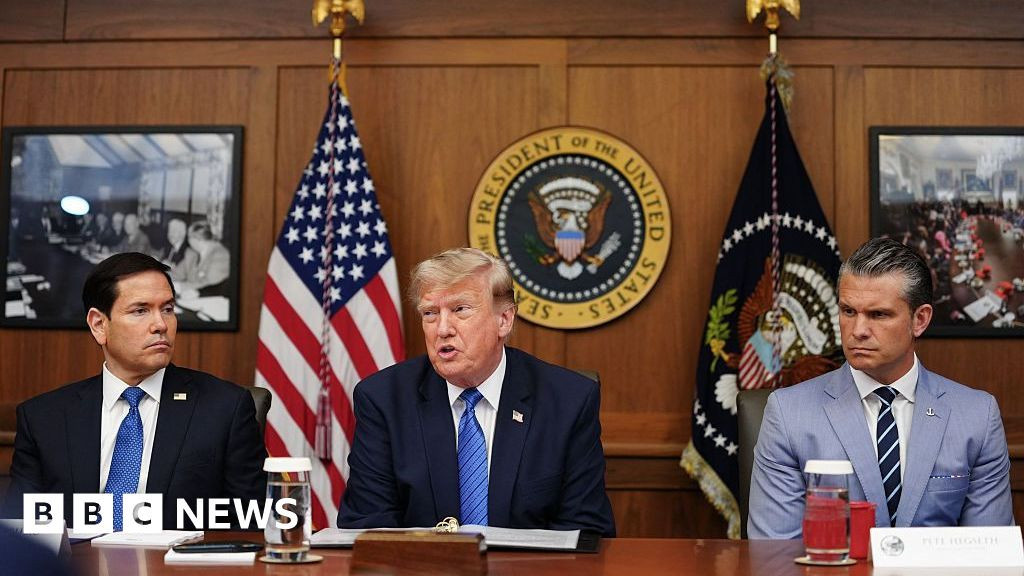
In a stunning display of political acrobatics, the Trump administration has openly confessed that it wielded the power of the purse with all the finesse of a toddler wielding a crayon. Court documents reveal that grant funding decisions were made not based on merit or need, but rather on how many votes could be squeezed from a particular funding line. This admission has provoked a response from Capitol Hill so quiet you could hear a pin drop—or perhaps the sound of lawmakers frantically Googling how to reclaim their power over the purse without appearing too alarmed.
Meanwhile, in a comedic twist worthy of a sitcom, Senate Republicans have decided that the best course of action to regain the public’s attention is to summon former National Institutes of Health official Anthony Fauci for yet another round of questioning. This ongoing inquiry appears less about accountability and more about keeping the spotlight on their favorite punching bag. Fauci, however, seems to be operating under the advice of a legal team that has surely entered the Witness Protection Program, as he refuses to answer questions, claiming attorney-client privilege—an excuse that seems to have become as popular as a new TikTok dance.
Still Beats Watergate:
Sponsor success. Continue reading:
The real irony here is that while the administration admits to playing political hopscotch with grant funding, lawmakers appear more invested in the theatrics of a hearing than in the implications of this revelation. Perhaps they believe that if they ignore the elephant in the room—namely, the blatant misuse of federal funds—then it will magically disappear, much like their hopes of passing meaningful legislation before the next election.
As the Senate convenes for its latest episode of “Fauci: The Unanswered Questions,” one can only imagine the conversations happening behind closed doors. "Do we really have to address the fact that we’re letting politics dictate funding?" might be the whispered query among aides, followed closely by, "Isn’t it easier to just keep grilling Fauci until the media moves on?" This is what happens when the art of governance is overshadowed by the circus of politics.
In the meantime, funding for critical health initiatives hangs in limbo, while politicians posture for the cameras, hoping for a soundbite that will overshadow the reality that they’ve allowed politics to trump public health. The question remains: how long can this charade continue before someone calls for a reality check? Or do we have to wait until the next congressional hearing where a panel of experts is brought in to explain how political maneuvering has made a mockery of responsible governance?
As the drama unfolds, it is clear that the Capitol is more interested in political theater than in the actual consequences of their actions. After all, it’s easier to point fingers at Fauci than to confront the uncomfortable truth that they’ve relinquished their authority and allowed petty politics to dictate the nation's health funding. One can only hope that the next time they decide to play politics with public health, they at least have the decency to provide a warning for those of us watching from the sidelines, popcorn in hand, waiting for the next episode of "As the Capitol Turns."