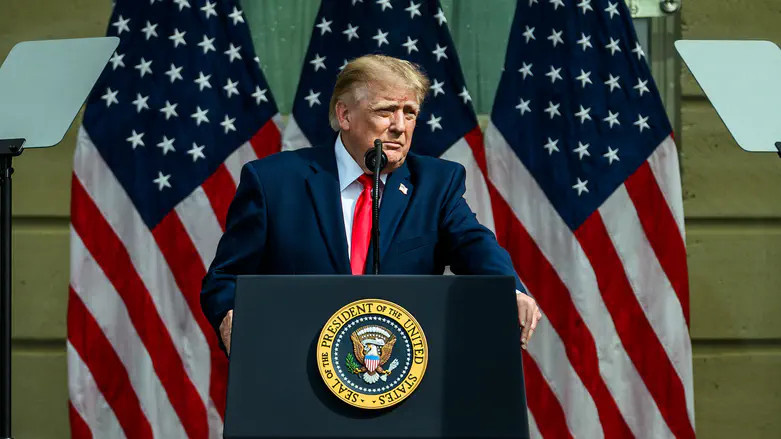
White House Announces Revolutionary New Security Strategy: Just Ask Iran
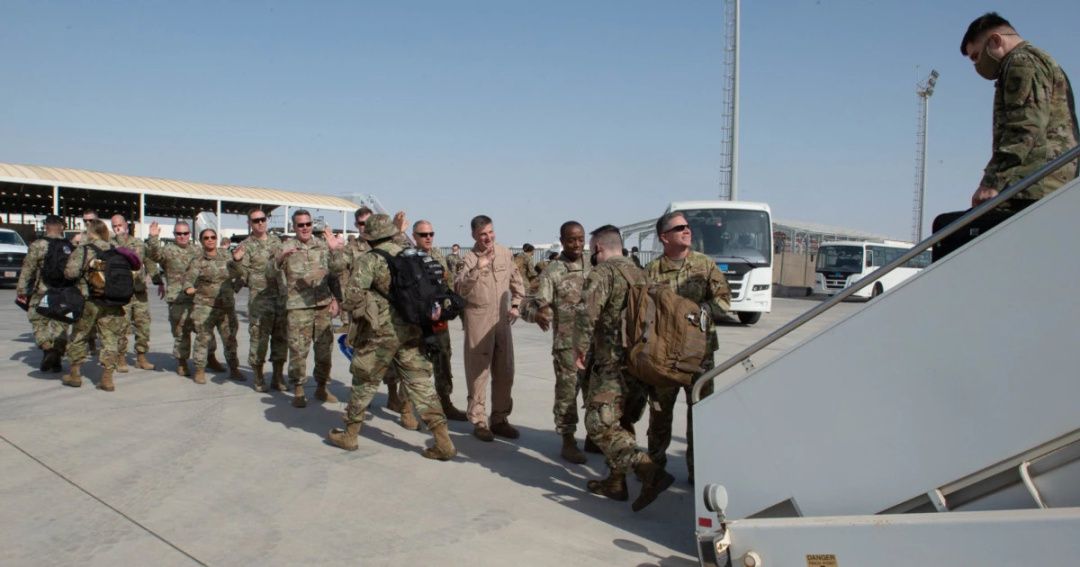
In a stunning announcement that has left security experts questioning their life choices, the White House has decided to pivot away from its decades-long security guarantees in the Gulf, opting instead for a radical new strategy: ask the local powers to handle their own security. Former Trump National Security Council official Allison Minor, in a move that has all the gravity of a social media influencer's latest skincare routine, proclaimed that the U.S. should shift towards a regional security model based on shared capabilities. In layman's terms, this means, 'Hey, Gulf States, you got this, right?'
Minor's bold vision for American foreign policy is based on the idea that if the Gulf can handle its own security, Washington can finally focus on more pressing matters—like how to ensure the President's golf game remains uninterrupted. "Why should we continue to put our troops at risk when we can just let everyone else figure it out?" Minor mused, conveniently ignoring the decades of U.S. military presence that have formed the backbone of security in the region.
Still Beats Watergate:
Sponsor success. Continue reading:
In her briefing, Minor laid out a revolutionary plan that involves U.S. forces taking an indefinite vacation and letting regional allies like Saudi Arabia and the UAE handle the explosive dynamics with Iran. This proposed strategy seems to stem from the belief that regional partners have been underutilized, much like that gym membership you keep forgetting about. Why not let them flex their muscles? After all, it's not like Iran has ever tested the waters with any missile launches or proxy wars—oh wait.
As the administration rolls out this new approach, one can only imagine the excitement in the Pentagon. Military officials are likely to be seen dusting off their 'Welcome to the Neighborhood' BBQ grills, preparing for a summer of informal diplomacy and neighborhood watch meetings. The strategic genius behind this policy appears to be the assumption that if you ignore a problem long enough, it will simply resolve itself—an approach that has worked wonders in the realms of personal relationships and social media management alike.
Yet, as we stand on the precipice of this new era, questions loom large. Will the Gulf States be able to band together to face the threats posed by Iran, or will they merely spend their time arguing over whose turn it is to bring the chips to the next security summit?
And while the security of millions hangs in the balance, the White House continues to hold press briefings that focus on the pressing matters of the day: whether the President's latest tweet was more or less effective than a drone strike. After all, in the grand theater of politics, why not let the regional players take the stage—while the U.S. takes a front-row seat and a long sip of its iced tea? In this new era of American foreign policy, it's clear that the only thing more powerful than a missile is a well-timed meme.