Pentagon Announces Revolutionary New Strategy: Just Keep Bombing Until They Surrender
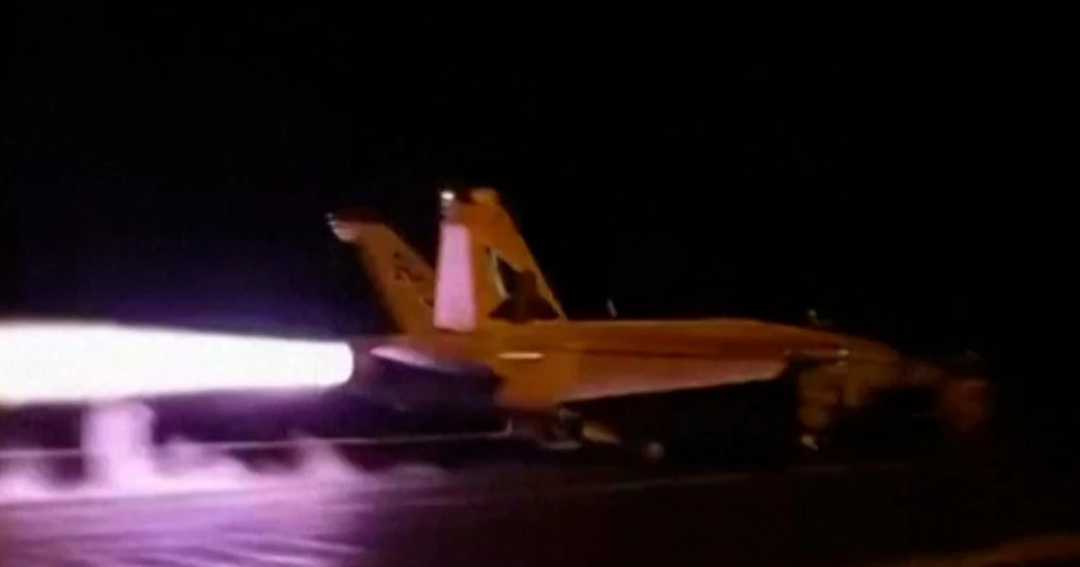
In a historic briefing that will surely go down in the annals of military strategy, the Pentagon has unveiled its latest tactical innovation: an endless barrage of bombing runs until the enemy simply runs out of steam or, more likely, runs out of buildings to blow up. Dubbed the "Just Keep Bombing Until They Surrender" strategy, this approach promises to redefine the art of war in a manner only the U.S. military could imagine.
The Secretary of Defense, speaking from a podium adorned with flags that could double as parachutes, confidently stated that the plan is to deploy an arsenal so vast that it would make a toddler's tantrum over a toy seem like a calm discussion about fiscal responsibility. The goal? To bombard adversaries into submission while simultaneously creating a new tourist destination in the Middle East – post-apocalyptic ruins.
Still Beats Watergate:
Sponsor success. Continue reading:
Critics are already questioning the effectiveness of this plan, pointing out that history has shown time and again that relentless bombing does not necessarily lead to surrender. However, the Pentagon has taken this feedback as a challenge. In a memo humorously labeled "Feedback? What Feedback?" they assured stakeholders that this revolutionary tactic is based on the assumption that the laws of physics apply differently in the Middle East.
In a stunning twist, the military has also announced the formation of a new task force dedicated solely to the art of bombing. This elite group, humorously dubbed the "Explosive Diplomacy Task Force," will focus on precision bombing, accidentally hitting civilian targets, and, of course, ensuring that there’s always enough collateral damage to keep the local economy thriving.
Meanwhile, the White House has been busy drafting a series of press releases designed to frame this strategy in a positive light. These documents are expected to include phrases like "strategic resilience" and "targeted humanitarian assistance" – terms that have become increasingly popular in an era where words mean little and actions mean less.
As the Pentagon prepares to roll out this new strategy, experts are left wondering if there’s a plan B hiding somewhere in the classified files. Perhaps an initiative aimed at actually engaging in dialogue? Or maybe something audacious like diplomacy? But knowing the administration, it’s far more likely that plan B will consist of more bombs, more press releases, and a sprinkle of denial.
In the end, one thing is clear: the U.S. military's new approach could very well lead to a new era of warfare, wherein nations simply hope for the best while bracing for the worst, as the sky rains down freedom in the form of precision-guided munitions. What could possibly go wrong?