CDC Director Nominee Seeks to Lead Amid Measles Renaissance
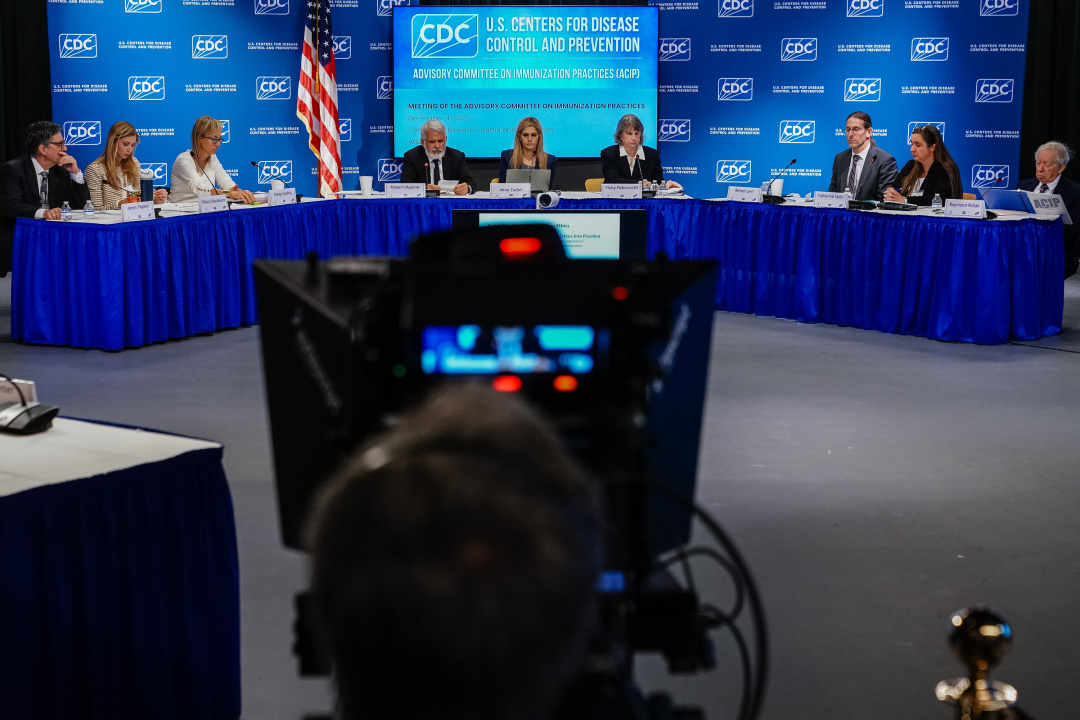
In a stunning display of bureaucratic drama, the Senate Health, Education, Labor, and Pensions Committee is poised to vote on whether to elevate Dr. Erica Schwartz to lead the Centers for Disease Control and Prevention. This comes at a time when the CDC's inbox is overflowing with measles cases, a situation reminiscent of a bygone era—1991, to be exact. It's almost as if the agency is hosting a nostalgic flashback party, with the measles outbreak as the unwelcome guest nobody invited but everyone is forced to acknowledge.
Schwartz’s nomination is being hailed as a bold move, akin to handing the keys of a car to a teenager with a penchant for joyriding. Her potential tenure could be marked by record-breaking measles cases, almost as if the measles virus, like the most persistent of pop songs, has decided to make a comeback. In a press briefing that could only be described as a masterclass in euphemism, the administration remarked that Schwartz's experience in managing health crises would be invaluable—presumably because there will be plenty of crises to manage.
Still Beats Watergate:
Sponsor success. Continue reading:
As the Senate panel prepares for the vote, insiders suggest that Schwartz's strategy will be akin to playing a game of bureaucratic whack-a-mole. Each time a measles case is addressed, another pops up, making the process resemble a particularly chaotic carnival game. If confirmed, Schwartz will be armed not only with scientific expertise but also an arsenal of catchy slogans designed to reassure the public. Expect to hear phrases like "Measles is so last century" or "Vaccination: the real superhero in this story" making their rounds in future press releases.
The Senate committee, meanwhile, is reportedly considering a series of amendments to the confirmation process, including a dramatic new requirement: candidates must demonstrate their ability to manage both public health and public panic. This could involve a new training module on how to ease concerns while simultaneously pointing out that measles is not, in fact, a trendy new health kick.
In what can only be described as a bureaucratic paradox, Schwartz's nomination could be seen as a vote of confidence in the CDC's ability to handle crises—while simultaneously thrusting her into the eye of a public health storm. Observers have noted that the real challenge for Schwartz may not be the measles outbreak itself, but rather how to maintain a straight face while discussing it in front of Congress.
As the vote looms, it appears that Schwartz's future at the CDC hinges on her ability to navigate this bizarre political theater. Will she be able to turn the tide on measles, or will the outbreak ultimately become her administration's defining feature? One thing is for sure: if the Senate votes her in, she'll need all the support she can muster—preferably in the form of vaccinations and a well-stocked supply of hand sanitizer. After all, in today's world, the only thing scarier than measles might just be an unprepared CDC director.