Trump's New Campaign Strategy: Hit Hard, Hit First, Apologize Later
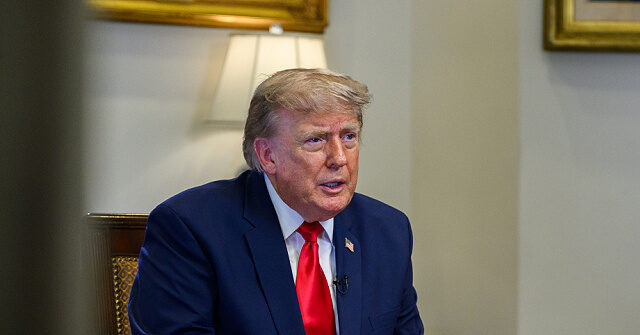
In a move that is certainly not the first of its kind, President Trump has taken to the airwaves to announce a revolutionary new campaign strategy: military strikes as a core tenet of his electoral platform. His latest policy initiative, dubbed "Hit Hard, Hit First, Apologize Later," aims to redefine not just how America engages with foreign rivals, but also how it engages with voters. The rhetoric is unapologetically aggressive, promising a future where America doesn't just retaliate; it retaliates with flair.
"We’re going to beat the f****** s*** out of them," Trump declared, while casually sipping on a Diet Coke and surrounded by a cadre of military advisers who, while nodding vigorously, presumably wondered if they had mistakenly entered a different meeting. The idea is simple: why wait for enemies to act when you can preemptively strike and then say you’re sorry later? This proactive approach to diplomacy is sure to resonate with voters who enjoy a good show of force accompanied by a side of contrition.
Still Beats Watergate:
Sponsor success. Continue reading:
According to insiders, the strategy has been rigorously tested in focus groups, where participants responded positively to the concept of a leader who not only promises to defend American interests but also acknowledges the potential for minor inconveniences—like collateral damage. One focus group member even suggested that a slogan like "Oops! My Bad!" could be considered for campaign merchandise.
The White House has since rolled out a comprehensive briefing document, titled "Operation Apology: A Strategic Guide to Preemptive Regret," outlining the steps to managing both military engagements and public perception. Key points include ensuring that any military action is immediately followed by a press release that emphasizes remorseful intentions while still maintaining a tough-guy persona.
In a recent press briefing, a bewildered press secretary explained that this new strategy is not just about military action; it’s about making America feel strong and remorseful at the same time. "We are not just responding to threats; we are setting the tone for future diplomatic relations," she stated, as reporters tried to decipher whether this was a military briefing or a therapy session.
Critics have been quick to point out that this strategy may lead to a series of international incidents, but the administration remains undeterred. They argue that voters appreciate a leader willing to take decisive action, even if that means launching a few missiles and then sending a heartfelt note saying, "Sorry about that!" This, they claim, is a bold new direction for 21st-century politics, where actions speak louder than words but apologies are still necessary to keep the peace.
As the campaign gears up, one thing remains clear: Trump is committed to hitting hard, and if that means hitting a few soft spots along the way, well, that’s just part of the game. After all, in the world of politics, nothing says "I care" like a well-timed military strike followed by a sincere, if somewhat awkward, apology. Expect to see more of this approach as the election cycle heats up, proving once again that in the theater of politics, it’s all about the performance.