Bill Pulte's Heartfelt Request for More Time: A Comedy of Errors
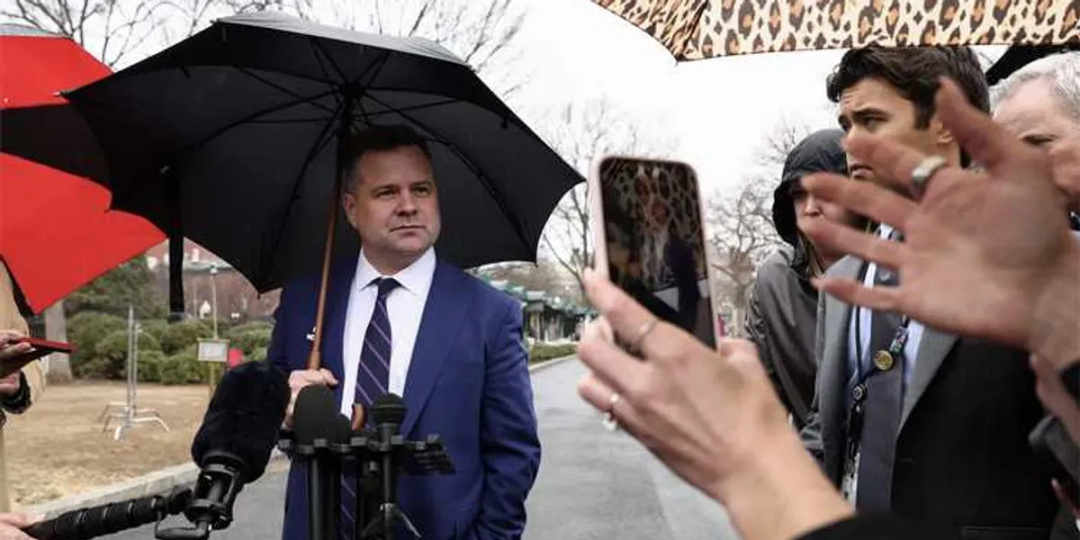
In a stunning turn of events that can only be described as a tragicomedy of bureaucratic proportions, Bill Pulte, the acting Director of National Intelligence, has reportedly issued a heartfelt plea for more time in his position. This touching moment comes just as Jay Clayton, the newly confirmed Director, prepares to take the reins, leaving Pulte in a state of existential dread that would make even the most seasoned politician blush. One can only imagine the emotional weight of a man who has spent months acting like he was in charge, now facing the reality that his time is about to end—like a sitcom character whose popularity has waned just as the network decides to cancel the show.
Sources within the White House have confirmed that Pulte's request for an extension has been met with a mixture of confusion and barely concealed laughter. According to insiders, officials are reportedly gathering around the coffee machine to discuss whether this is a genuine plea for help or just the latest episode in the ongoing soap opera that is the Trump administration. In a stunning display of loyalty, Pulte seems to believe that his continued presence in the role is essential for national security, despite the fact that most of the intelligence community has already packed their bags, ready to move on to greener pastures far from the chaos.
Still Beats Watergate:
Sponsor success. Continue reading:
Pulte’s request is reminiscent of a child begging their parents for just a few more minutes of screen time before bed, unaware that the adults have long since decided it’s time to move on. As the clock ticks down to Clayton's official swearing-in, Pulte's desperate cries for more time could easily be mistaken for a scene from a Shakespearean tragedy, where the protagonist clings to their power like a drowning man to a life raft.
Meanwhile, the White House has remained silent on whether they will grant Pulte’s wish, leaving him to ponder the true meaning of loyalty in a world where job security is as fleeting as a tweet. Perhaps the real question is whether Pulte is more concerned about the fate of his own career or the integrity of the intelligence community—an existential crisis that could rival any philosophical debate.
As Pulte watches his dreams of continued tenure slip through his fingers, one can’t help but wonder if this is just the beginning of a new trend in government: public pleas for time extensions. What’s next? A heartfelt letter from an ambassador asking for another month to wrap up their affairs? A Cabinet member holding a press conference to sob about their inevitable departure? In the grand theater of Washington, D.C., anything is possible.
In the end, Pulte’s emotional appeal serves as a reminder that in politics, timing is everything. As he prepares for his likely exit, one can only hope that he remembers the lesson that all good actors learn: sometimes, it’s better to leave the stage while the audience is still cheering. After all, who knows when the next chance for a comeback will arise?