Senate Hearing: Where COVID Is Just a Prop in the Political Circus
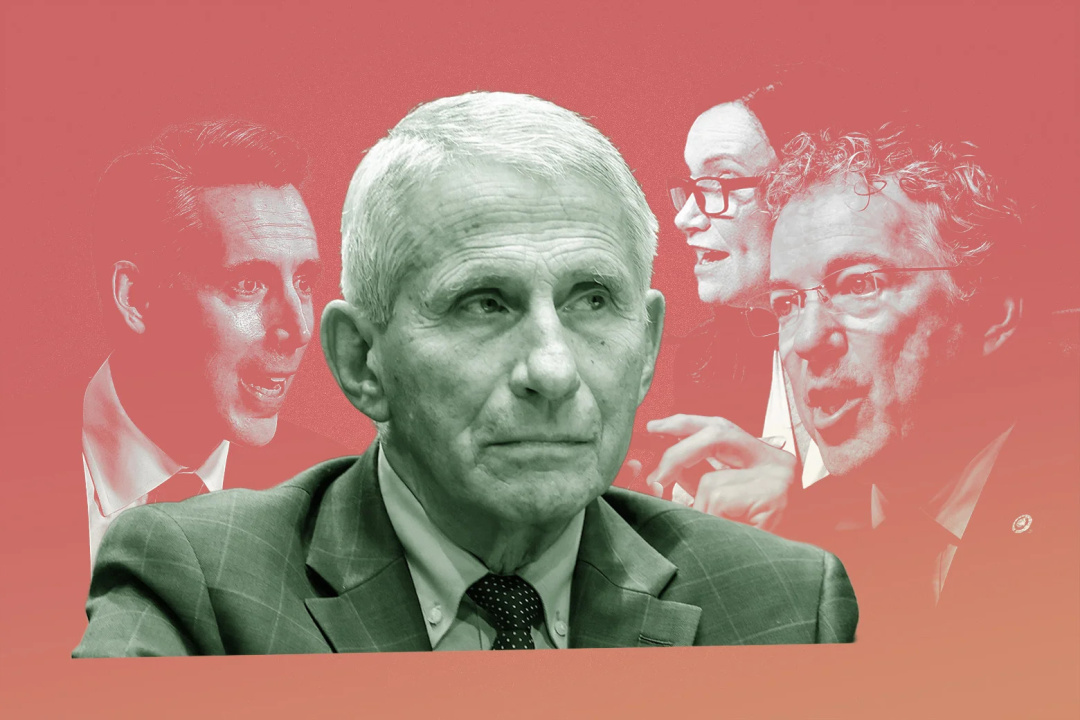
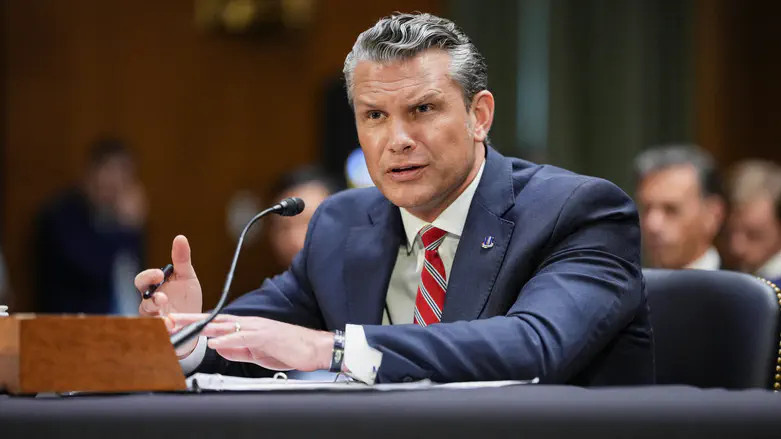
In the latest episode of the Senate's COVID hearing, where facts are as fluid as the answers provided, we witnessed a performance that would make Shakespeare weep. While you'd think the main event would be a serious discussion about public health, it instead devolved into a spectacle reminiscent of a circus, complete with clowns, grandstanding, and the occasional gasp from the audience. As politicians donned their best masks—both literal and metaphorical—the real concern seemed to be how to best play their parts in this political drama.
The hearing served as a stage where politicians paraded their grievances, wielding accusations like swords, all while failing to address the actual public health crisis. Senator Rand Paul, in a display worthy of an Oscar, took to the microphone as if he were auditioning for a role in a movie titled "How to Outperform Dr. Fauci in 10 Easy Steps." His lines, a mix of bluster and bravado, had all the subtlety of a sledgehammer, leaving viewers wondering if the real pandemic was an outbreak of political theater.
Still Beats Watergate:
Sponsor success. Continue reading:
Meanwhile, Dr. Anthony Fauci, the reluctant star of this tragicomedy, tried to navigate the minefield of misinformation and theatrics with the grace of a seasoned performer. His responses, laden with scientific evidence, often fell on deaf ears, drowned out by the cacophony of political posturing. One might argue that in this political theater, the facts were merely props, and the script was written by those more interested in ratings than realities.
As the hearing progressed, it became clear that the Senate chamber had transformed into a battleground where the only casualties were common sense and genuine discourse. Questions that should have probed the depths of pandemic response turned into a game of rhetorical tennis, with each side trying to score points rather than seeking solutions. It was a masterclass in how not to conduct a serious discussion about public health, proving that sometimes the scariest part of such hearings is not the virus itself but the complete disregard for meaningful conversation.
In the end, the hearing concluded, leaving the audience with more questions than answers, and an unsettling reminder that in the world of politics, the show must go on. The real challenge lies not in battling a virus but in battling the absurdity that has become the norm in our political discourse. The hearing may have ended, but the circus continues, with politicians ready to don their masks and step back into the spotlight, all while the audience—us—scratches our heads and wonders what just happened.
As we reflect on this spectacle, one must ask: when did public health become just another act in the political carnival? And more importantly, who will be left holding the bag when the applause fades and the lights dim?