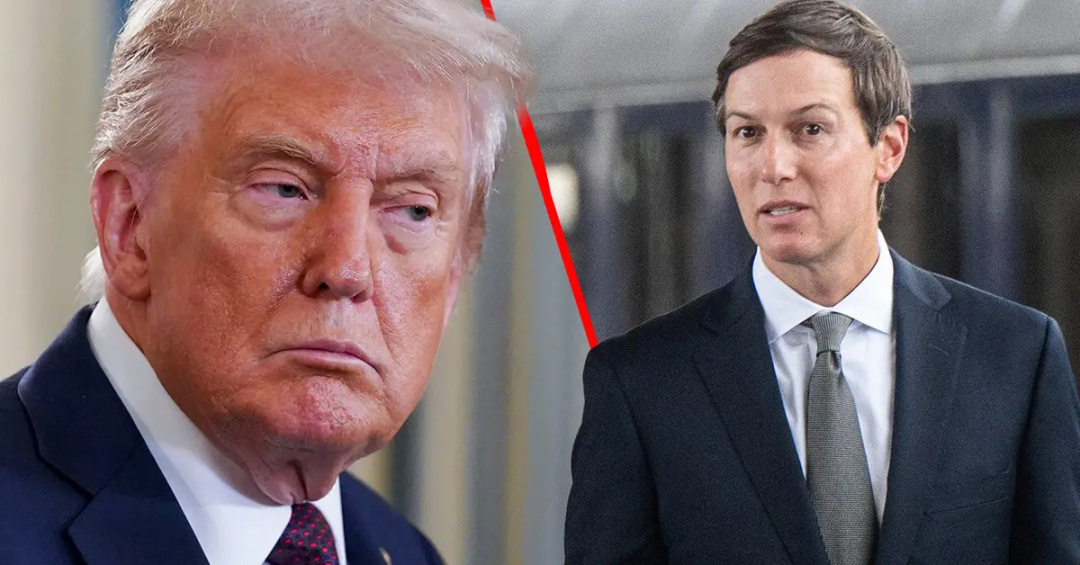
Senate Confusion Fuels New Bureaucratic Dance Over Attorney General Nominee
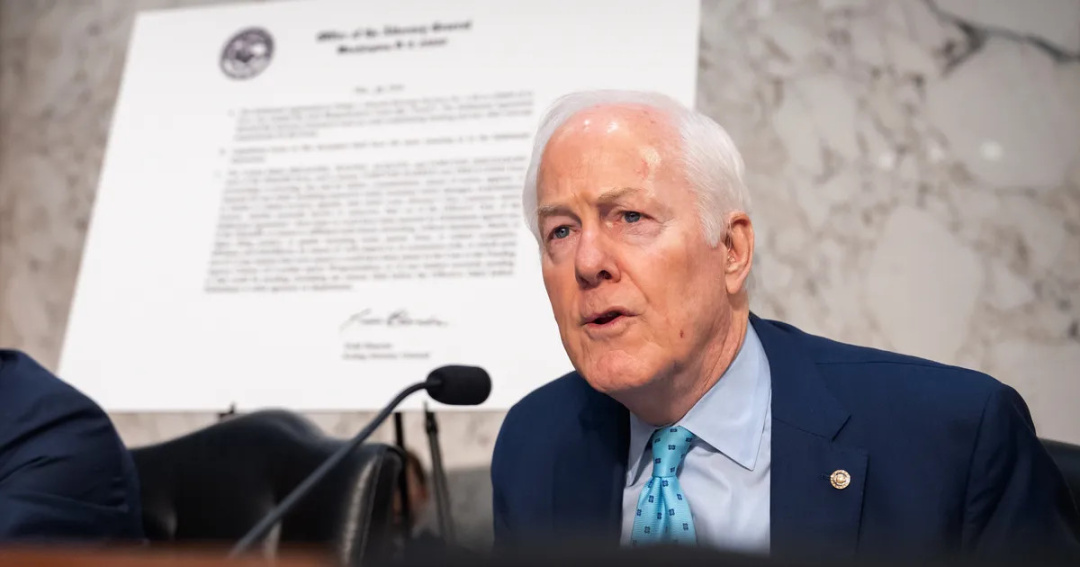
In a dazzling display of bureaucratic gymnastics, the Senate is currently weaving an intricate tapestry of confusion around the nomination of Todd Blanche for Attorney General. As if the legalities surrounding the former president's tax troubles weren't convoluted enough, key Republican Senator John Cornyn has decided that the best course of action is to throw a wrench into the process by demanding more assurances about a settlement that seems to change shape faster than a magician's rabbit.
Cornyn, who’s apparently been taking lessons in political obstruction, has called off a scheduled meeting with Blanche, effectively forcing the Senate Judiciary Committee to reconsider its plans to advance the nomination. According to Cornyn, the Justice Department’s responses to his inquiries about Trump’s $10 billion lawsuit against the IRS lack the clarity of a kindergarten art project. Meanwhile, Blanche, who has been acting as attorney general since Pam Bondi's dramatic exit, is left hanging in a bureaucratic limbo, waiting for the Senate's approval and a miracle to untangle the mess.
Still Beats Watergate:
Sponsor success. Continue reading:
The heart of the matter lies in Trump’s settlement, which, in an absurd twist of fate, reportedly offers him and his family protection from tax audits. Cornyn, with the zeal of a toddler who’s lost his favorite toy, is demanding a written commitment that this arrangement won’t morph back into an “Anti-Weaponization Fund” that had been scrapped due to bipartisan backlash. It seems that the idea of protecting the president from future tax scrutiny is more popular than a cat video on the internet, and Blanche is caught in the crossfire.
In a classic case of bureaucratic doublespeak, Blanche has offered vague assurances about the settlement, insisting that it doesn’t cover future audits. However, as the Senate continues to bicker over the finer points of tax immunity, one can’t help but wonder if they are more concerned with preserving political legacies than with actual justice. The idea that the Justice Department is fumbling around for clarity while Cornyn plays the role of the concerned citizen is enough to make one question the entire system.
As Cornyn articulates his befuddlement at the Justice Department’s unwillingness to provide clarity, one can only imagine the conversations happening behind closed doors. It’s likely a mix of bureaucratic jargon and head-scratching disbelief that this is even a discussion point. Meanwhile, Blanche stands by, ready to step into the role of Attorney General, only to find himself stuck in a political game of charades where the rules seem to change every hour.
With Cornyn’s demands hanging over the proceedings like a dark cloud, the Senate Judiciary Committee’s planned vote hangs in the balance. Just one rogue Republican could sink Blanche’s prospects, transforming a routine nomination into a gripping cliffhanger that would make even the most seasoned political analysts throw their hands up in despair. As the drama unfolds, there’s a growing sense that this confirmation process is less about the nominee's qualifications and more about who can shout the loudest in the Senate chamber.
In the end, the saga of Todd Blanche is yet another reminder that in the halls of power, clarity is often the first casualty. As the Senate continues its bureaucratic dance, one can only hope that somewhere, somehow, the real issues will eventually come to light, well after the applause has faded and the cameras have turned off.