DOJ Announces New Transparency Initiative: Trust Us, We’re Not Hiding Anything
In a stunning display of bureaucratic ingenuity, the Department of Justice has unveiled its latest initiative, humorously dubbed "Trust Us, We’re Not Hiding Anything." This ambitious program aims to assure the American public that all those pesky redacted documents are merely a strategic choice to enhance their viewing experience. After all, who wouldn’t want to see a government document that looks like a Jackson Pollock painting?
This initiative comes on the heels of a federal judge's recent demand to inspect files related to Jeffrey Epstein, which have been sealed tighter than a politician’s lips on election night. In an unprecedented move, the DOJ is now claiming that their blacked-out sections are meant to protect victims, a claim that raises eyebrows as high as the redaction marks themselves. It seems that the fewer details the public has, the safer they will feel.
Still Beats Watergate:
Sponsor success. Continue reading:
Acting Attorney General Todd Blanche, whose rise to power has been more convoluted than a soap opera plot twist, is leading the charge. With the confidence of a contestant on a game show, he stated, "We’re simply protecting the privacy of individuals who may or may not exist!" Legal experts are scrambling to decipher if this is a new legal standard or if Blanche just made it up on the spot.
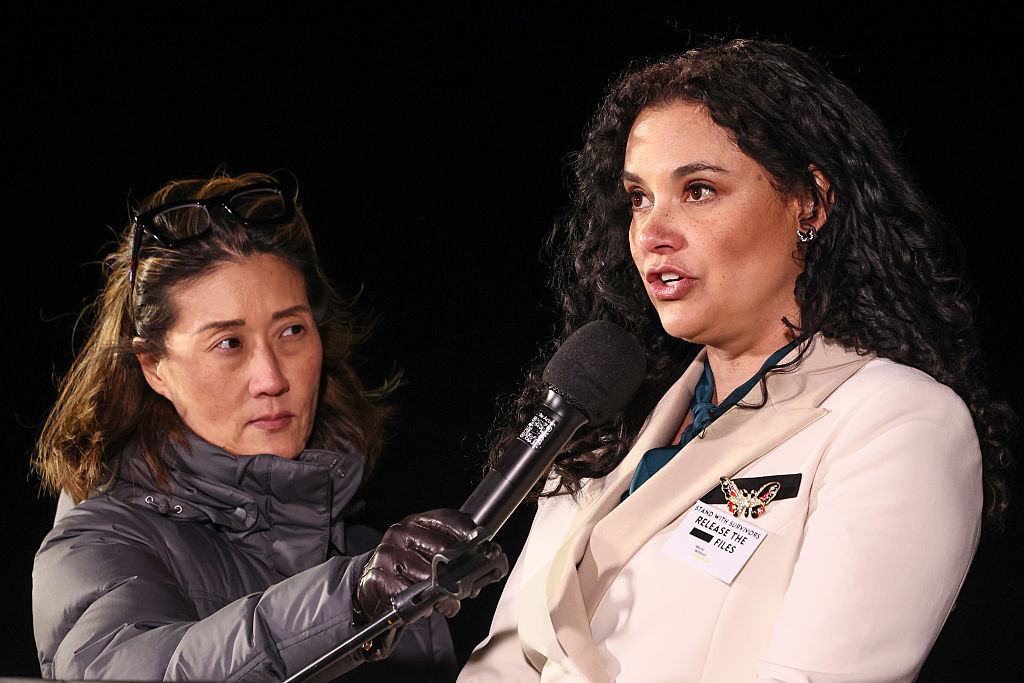
Critics, including legal watchdog Katie Phang, argue that the DOJ’s concept of transparency is akin to a magician’s trick. They insist that the more the DOJ insists it is not hiding anything, the more it resembles a child caught with their hand in the cookie jar. "It’s a classic case of ‘If I can’t see it, it must be fine,’" Phang quipped, channeling her inner skeptic.
The DOJ’s new approach to compliance is like offering a salad to someone who just asked for a cheeseburger. Sure, it’s technically food, but it’s not what was ordered. After months of legal wrangling and a judge who seems more determined than a dog with a bone, the DOJ is supposed to produce redacted documents, or at least provide a compelling excuse for why they can’t.
Critically, this initiative does nothing to bridge the gap between legal jargon and public trust. The DOJ’s insistence that their redactions serve a higher purpose is reminiscent of a teenager caught sneaking out, claiming they were just “getting fresh air.” As the clock ticks down to the judge’s deadline, the DOJ fervently prepares to unveil its documents, complete with all the flair of a magician revealing their latest trick, hoping the audience will be too dazzled to ask what’s really behind the curtain.
As the saga unfolds, one thing remains certain: the American public will be watching closely, armed with popcorn and skepticism, ready to see whether the DOJ’s new transparency initiative lives up to its name or simply becomes another chapter in the long history of bureaucratic shenanigans. If nothing else, it’s a reminder that in the world of politics, the only thing we can trust is the spectacle itself.
In the end, with the judge demanding accountability, will the DOJ’s new motto prove to be more than just a punchline? Or will it serve as a permanent reminder that when it comes to transparency, the best policy might just be to keep the curtains drawn? Only time will tell, but one thing is for sure: this performance is far from over.