Putin's Drone Deflection Strategy: Unwarranted Confidence in a Cratering War
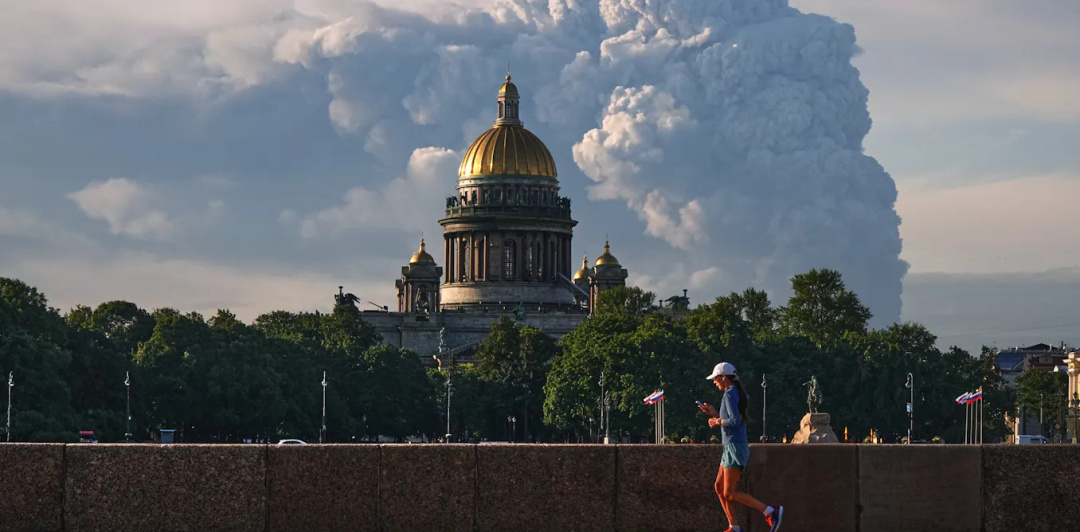
In an unprecedented move that has left analysts scratching their heads, President Putin has announced a new initiative to combat the growing discontent stemming from Ukrainian drone strikes—by simply insisting they don't exist. Yes, in the face of mounting evidence that Ukrainian forces are making themselves known well beyond their borders, the Kremlin has declared that these incursions are merely figments of an overly imaginative media's imagination.
"What drone strikes?" Putin said in a recent press conference, where he also managed to blame rising fuel prices on the international community's refusal to play nice. As gas stations across Russia grapple with empty tanks and long lines, the Russian leader has urged citizens to simply think of it as a new form of national exercise—because who needs fuel when you have patriotism?
Still Beats Watergate:
Sponsor success. Continue reading:
In a bid to shore up support, the Kremlin has introduced a series of motivational posters reminding Russians that their sacrifices are for the greater good. These posters, which feature soaring eagles and inspirational quotes about the glory of the Motherland, have already gone viral on state media. Kremlin spokesperson Sergei Peskov was quick to clarify that the posters will soon be accompanied by a national campaign encouraging citizens to fill their gas tanks with optimism instead of petrol.
Meanwhile, in an unexpected nod to modern warfare tactics, Putin has approved the creation of a new Ministry of Denial, tasked with the sole responsibility of refuting any claims that the war is impacting everyday Russian lives. Citizens are encouraged to report any negative thoughts they may have about the war, which will be logged and promptly dismissed as part of a larger campaign against negativity.
As public opinion begins to crack under the pressure of reality, the Kremlin insists that any signs of dissent are merely the result of foreign influence, and not, as some might suggest, a natural reaction to missile strikes on urban centers. "We are not losing support; we are strategically reframing the narrative," Peskov assured reporters, while standing in front of a large banner that read, "What you think you see isn't what you see at all."
While many Russians are forced to ration their fuel, the Kremlin has started a new initiative called "Fuel for Freedom," encouraging citizens to view their fuel shortages as an act of resistance against Western sanctions. Instead of lamenting the loss of everyday conveniences, Russians are being asked to embrace the art of walking, biking, or even rollerblading as a form of protest.
In a bizarre twist, the Kremlin will soon launch a contest to see who can create the most innovative mode of transportation during the fuel crisis, with winners receiving a year’s supply of government-approved propaganda. The expectations are high, as citizens clamor for anything that keeps their spirits up while they wait in line for gas.
As the war drags on, one thing is clear: the Kremlin's strategy relies on the age-old adage that if you can convince the people that the sky is green and grass is blue, they might just start believing it. With this latest round of absurdity, Putin has not only committed to the war but has also committed to the art of making his citizens the most optimistic rationers in history.
In the end, it seems the real battle is less about drone strikes and more about managing perceptions—because as any good bureaucrat knows, it's not the reality that matters, but the narrative you spin around it.