Presidential Nap Time: Trump’s Newest Executive Order on Mourning
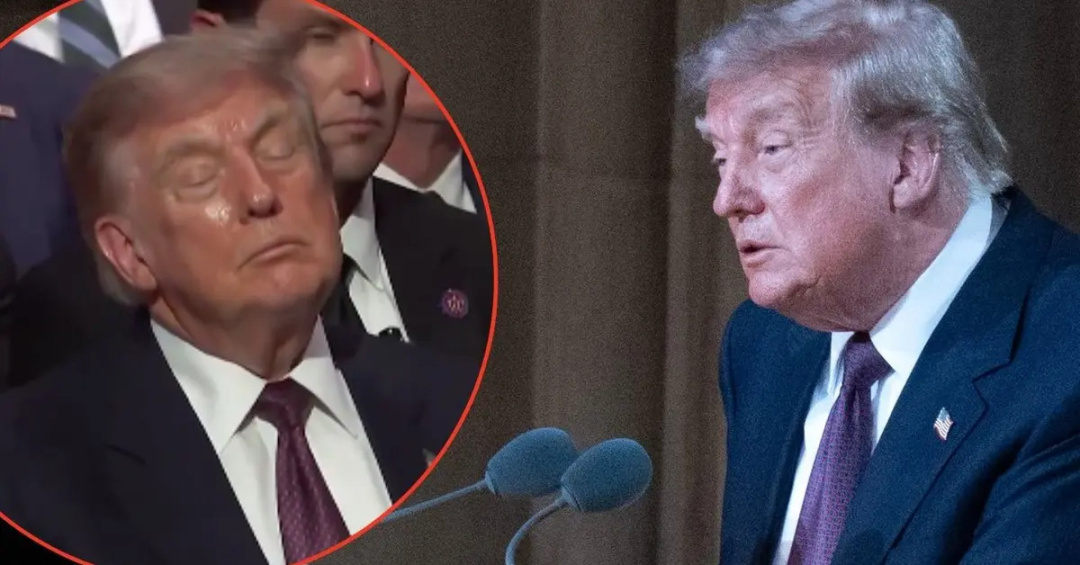
In a move that has left political analysts scratching their heads and social media users rolling theirs, President Trump has officially announced an executive order allowing all government officials to engage in restorative naps during public events, especially those with heavy emotional weight. This policy comes on the heels of Trump’s widely publicized dozing off during Lindsey Graham’s funeral, an event where one would typically expect full attention and respectful decorum.
The new initiative, dubbed "Restorative Mourning," is the administration's latest attempt to support mental health in high-pressure environments—because nothing says 'I care' like catching some Z's while paying respects to a deceased colleague. According to a White House spokesperson, this policy will revolutionize the way officials handle grief, allowing them to "process their feelings in a more... horizontal position."
Still Beats Watergate:
Sponsor success. Continue reading:
Critics have blasted the initiative, arguing that it’s a blatant excuse to avoid accountability. However, the administration remains undeterred. "Why listen to eulogies when you can dream about golf?" said a senior advisor, who wished to remain anonymous but clearly had a vested interest in the president's nap times.
As part of the rollout, all government offices will be equipped with "Rest Zones," complete with plush pillows and soothing ocean sounds, encouraging officials to embrace their inner slumber party. The initiative is expected to cut down on burnout and improve overall productivity, as studies have shown that napping can enhance alertness—unless you’re in the front row at a funeral.
In an ironic twist, Trump’s critics have pointed out that he once mocked his opponent, Joe Biden, for what he perceived as a penchant for napping. Many have taken to social media to highlight the hypocrisy. One user quipped, "Guess he really meant it when he said he’d make America nap again." Meanwhile, others have defended the president, arguing that falling asleep at a friend’s funeral is merely a sign of having too much on one’s mind—like the nuclear codes.
The administration has also promised to provide training for officials on how to expertly navigate the delicate balance between public mourning and personal napping. "It’s all about timing," one expert noted. "You have to know when to nod off and when to nod your head in agreement. It’s an art form, really."
In the meantime, the nation waits with bated breath to see how this policy will play out in real-world applications. Will Vice President Kamala Harris be caught snoozing at the next state dinner? Will Congress members be seen in pajamas during budget discussions? Only time will tell. But one thing is for sure: the administration is committed to ensuring that public service doesn’t have to come at the cost of quality nap time, even if it means catching a few winks at the most inappropriate of moments.