Kaitlan Collins Unveils New Strategy for Surviving Trump Insults: Ignore and Hope
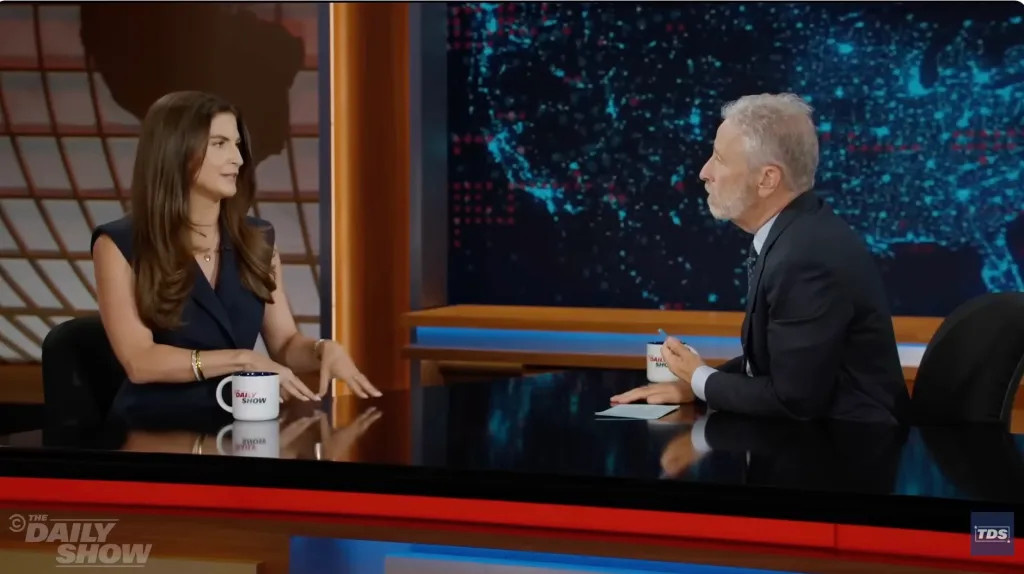
In a stunning development that promises to shake the very foundations of political reporting, CNN's Kaitlan Collins has unveiled her groundbreaking strategy for dealing with the verbal onslaughts of former President Trump. Speaking on The Daily Show, Collins proclaimed, "It’s really not about me," a revelation sure to send shockwaves through the White House press corps, which has historically thrived on drama and conflict.
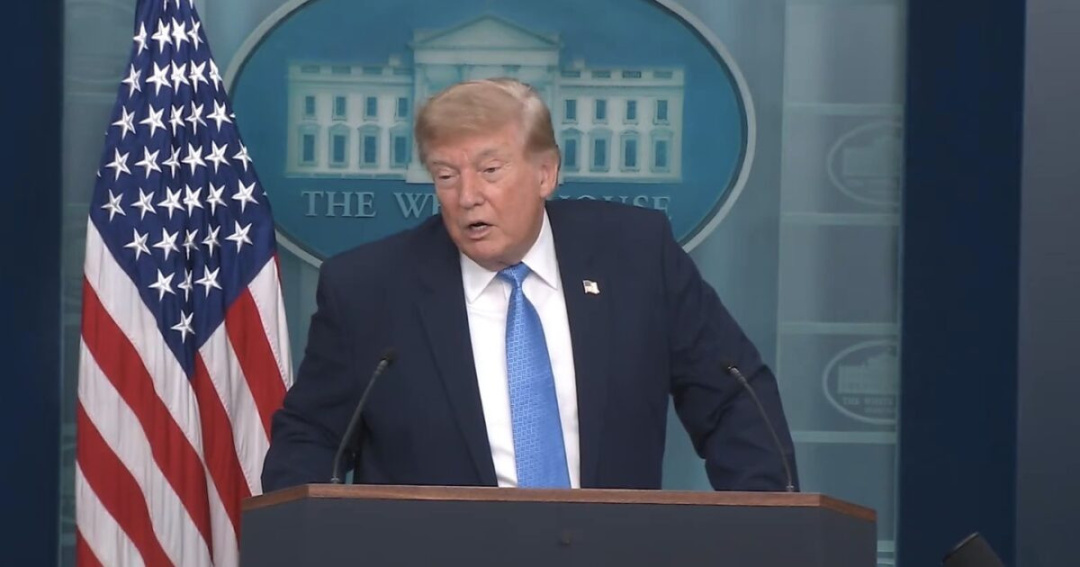
Collins, who has found herself at the receiving end of Trump's particularly colorful insults, has decided that the best course of action is to focus on her work, rather than the personal attacks. This strategy, reminiscent of the classic 'don’t feed the trolls' advice, raises a critical question: what if the media simply stopped reacting to presidential pettiness?
Still Beats Watergate:
Sponsor success. Continue reading:
Sources close to Collins have disclosed that her internal motto has shifted from 'the pen is mightier than the sword' to 'the pen is definitely not worth a Trump tweet.' This new mantra is expected to filter down through the ranks of young journalists, who may soon be seen nodding sagely as they ignore the latest presidential slights while pretending to be engrossed in their notepads.
"Why engage when you can disengage?" she mused, a sentiment that could easily be mistaken for a corporate slogan from a tech startup focused on mental health. The White House, for its part, is likely reeling from the implications of such a strategy. If reporters collectively decided to stop reacting to insults, it could lead to a historic shift where the Oval Office’s verbal tirades are met with the silence of indifference.
In an official briefing that may or may not have taken place, White House Press Secretary Karla McSpin denied any knowledge of Collins' strategy, claiming, "We’re too busy being the center of attention to notice what the media is doing. We don’t need them, they need us. Isn’t that obvious?" This response underscores the administration's deep-seated commitment to the performance of power, even as the actual substance of their messaging crumbles under scrutiny.
As Collins continues to rise in the ranks of political journalism, her approach sets a new precedent for how to handle the absurdity of executive theatrics. If silence becomes the new response to insults, we might soon witness a transformation of the press briefing room into a serene space filled with the sounds of crickets.
The implications are astounding. Will future press briefings feature more awkward silences as reporters collectively decide that engaging with the president’s barbs is beneath them? Will Trump’s attempts at insult become nothing more than a fleeting whisper in the wind, echoing off the walls of an increasingly indifferent press pool? Only time will tell, but one thing is for certain: the question of how to deal with presidential insults is getting a makeover, and Collins might just be leading the charge with a pen in one hand and an eye roll in the other.