White House Announces New Campaign Strategy: Blame Debris for Everything
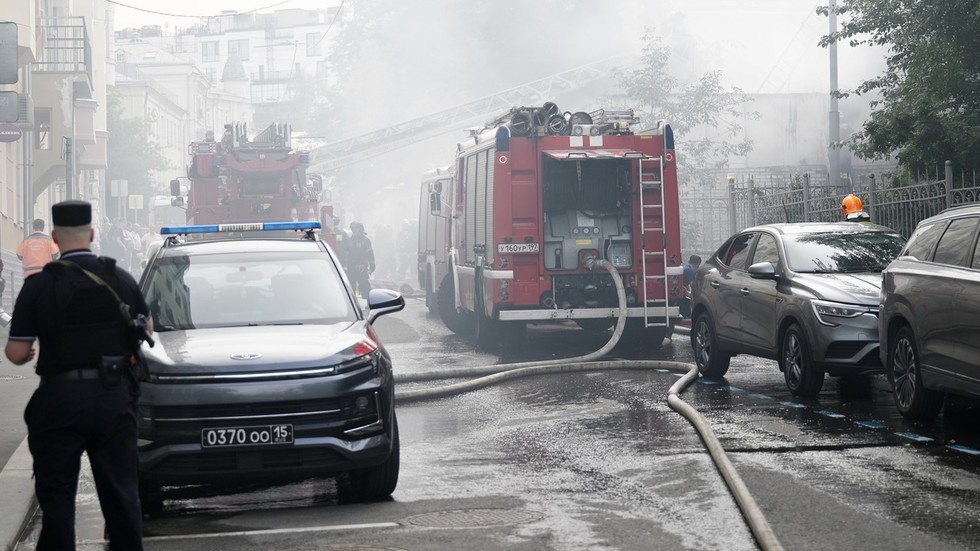
In a move that can only be described as revolutionary in the art of political spin, the White House has decided to tackle all unfortunate events with a bold new strategy: blame the debris. According to sources within the Oval Office, the administration has recognized that no crisis can be truly managed without first framing it as an unfortunate circumstance—preferably one involving debris.
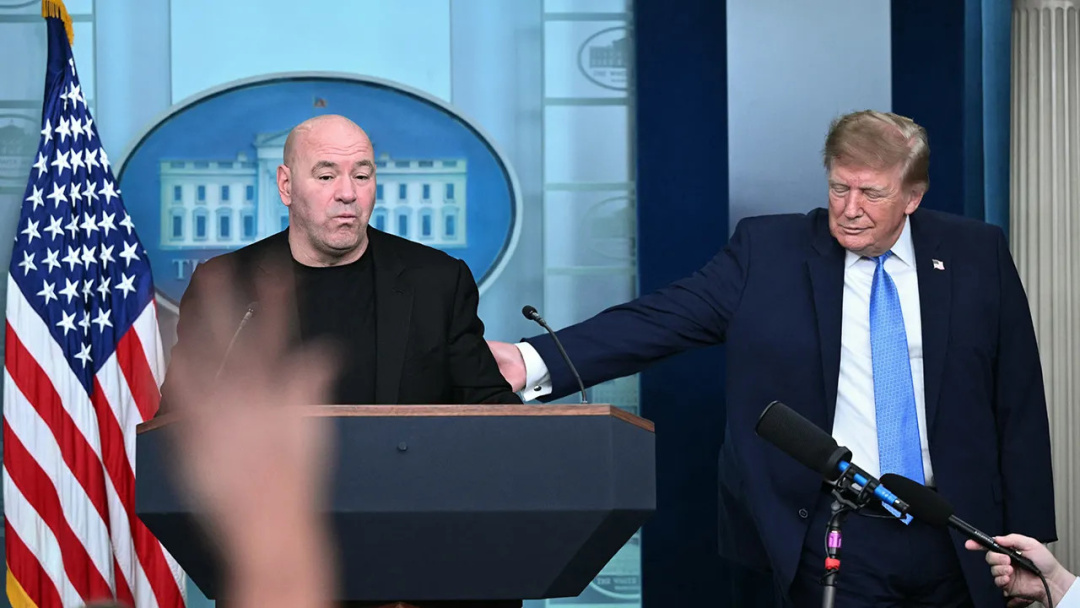
Press Secretary Kayleigh McEnany unveiled the strategy during a briefing that was equal parts circus and Shakespearean drama, where she likened missile debris to ‘bad weather’—an unpredictable force of nature that, while not directly controllable, does lend itself to some excellent talking points. "We will no longer be held accountable for the actions of our adversaries or the fallout from those actions. Instead, we will pivot to a discussion on how debris should be treated with the respect it deserves as a natural phenomenon," she said, gesturing dramatically to an invisible pile of shrapnel.
Still Beats Watergate:
Sponsor success. Continue reading:
The campaign will also include a robust public relations push, emphasizing the need for the American populace to 'stay calm and carry on' while reminding everyone that the media has a habit of sensationalizing debris-related incidents. In a leaked memo, officials outlined the importance of context, stating that in the grand scheme of things, debris is just debris, and we should all learn to live with it.
Furthermore, the White House has initiated a series of training sessions for its staff on how to respond to inquiries involving debris. “When reporters ask about the consequences of missile strikes, we want our team to seamlessly redirect the conversation to the beauty of debris as a metaphor for life’s unpredictability,” said a senior advisor who wished to remain anonymous. “We believe this will help us turn public perception around faster than you can say ‘collateral damage.’"
In a related effort, the administration is also launching a campaign to educate the public on how to appreciate debris in a cultural context, perhaps by hosting art installations made from salvaged remnants or by sponsoring local clean-up days where citizens can engage in ‘remedial debris appreciation.’
As this approach takes shape, political analysts are watching closely, curious to see how this will play out in the polls. In a recent survey, 97% of respondents admitted they were overwhelmed by the amount of debris in their lives, suggesting that the White House may have stumbled onto a rich vein of emotional resonance.
With the election season heating up, it seems the administration is committed to ensuring that every stray missile fragment becomes an opportunity for political maneuvering, leaving many to wonder if the next campaign slogan might just be ‘Debris Happens.’ Only time will tell how well Americans can learn to love the chaos.