Senate Affirms Clayton: Spies Now Under Permanent Guidance of a Wall Street Guy
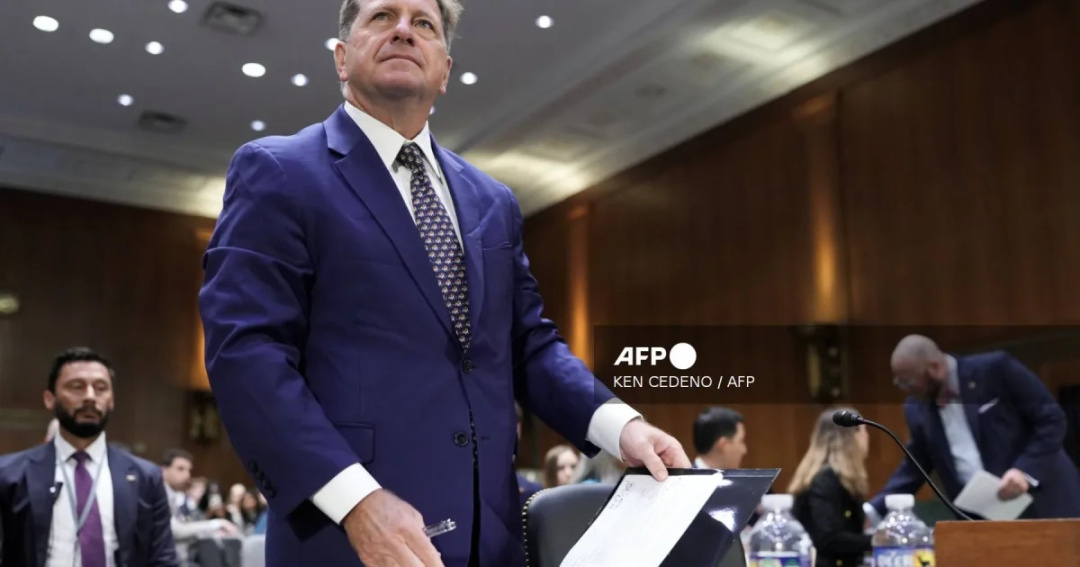
In an apparent nod to the administration's commitment to innovation, the U.S. Senate has confirmed Jay Clayton as the top intelligence official, a decision that has sent ripples of excitement through the corridors of power. After all, who better to oversee the nation's spy agencies than a former Wall Street lawyer whose expertise lies in navigating regulatory mazes and ensuring that hedge funds are compliant with the latest in financial shenanigans?
With Clayton at the helm, we can expect a refreshing take on intelligence: fewer clandestine operations and more PowerPoint presentations on how to optimize our spying budget. Why spy on foreign adversaries when you can instead audit their portfolios? The Senate's decision is hailed as a strategic move towards transparency, raising the question of whether the next intelligence briefing will include a detailed breakdown of expenses and a pie chart illustrating the distribution of spy resources.
Still Beats Watergate:
Sponsor success. Continue reading:
Critics argue that appointing someone with a financial background to head up the intelligence community is akin to having a dentist perform heart surgery. Yet, the administration firmly believes that Clayton's experience in scrutinizing balance sheets will be invaluable when assessing the balance of power in international relations. After all, a good spy should know how to read the fine print.
In a press briefing following the confirmation, administration officials touted Clayton's impressive resume and how his skills would translate seamlessly into the world of espionage. "He’s a master of due diligence," one official claimed, while another added, "He can find missing funds in an off-shore account faster than you can say ‘national security.’"
As Clayton steps into his new role, the intelligence community is abuzz with anticipation, unsure whether to prepare for an increase in surveillance or a return to the days of friendly neighborhood spies who offer unsolicited financial advice. Meanwhile, analysts speculate that any future intelligence reports may also come with investment tips, ensuring that taxpayers not only stay informed about potential threats but also enjoy a healthy return on their investment.
In a world where the line between Wall Street and Washington grows ever blurrier, Clayton’s appointment is a bold reminder of the administration's approach to governance: why not mix business acumen with national security? With a permanent chief now in place, we can only hope that the country’s intelligence operations become as efficient as a well-run hedge fund, complete with quarterly earnings calls and shareholder meetings. Who knows, perhaps the next big intelligence coup will involve a hostile takeover of a foreign government’s data center, complete with an IPO announcement to follow.