Iran Claims Blame Game is a Miscalculation While US and Saudis Stage Military Theater
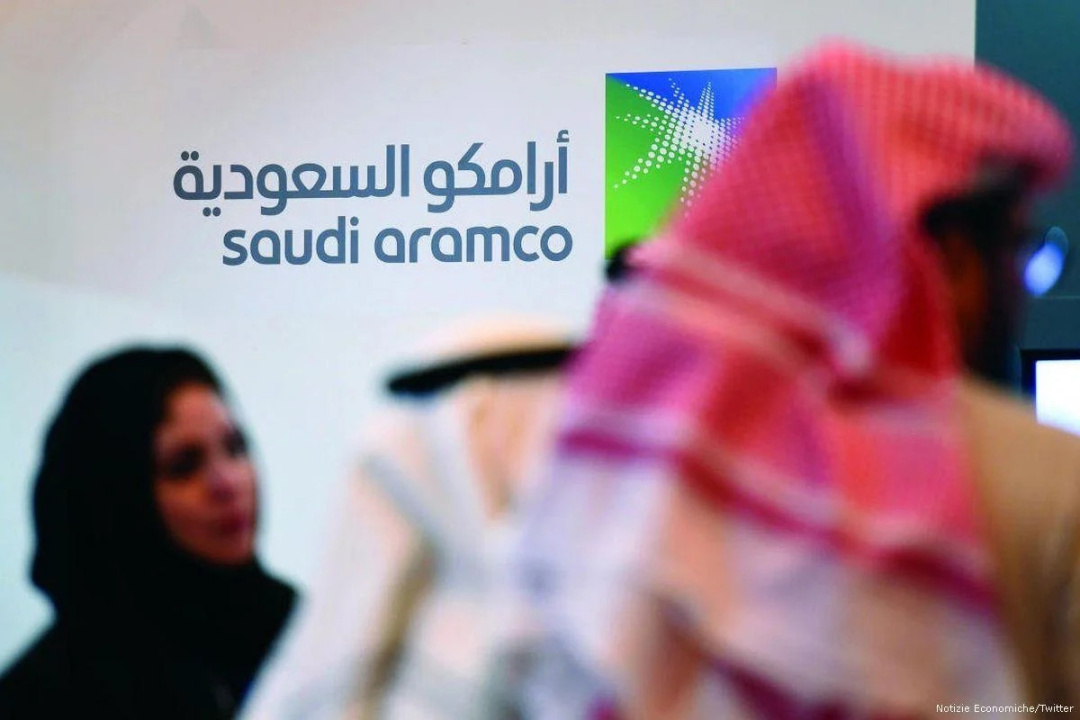
In what can only be described as the latest episode of 'As the World Turns: Middle East Edition,' the US and Saudi Arabia have taken to the skies over Iraq, launching strikes on Iran-backed groups with the fervor of a Broadway opening night. Their justification? A series of drone attacks on Saudi oil facilities that they attribute to these groups, which seems to be a convenient scapegoat in the ever-evolving geopolitical playbook. Meanwhile, Iran, taking its cues from the finest drama schools, has stepped up to the microphone to declare that blaming it for these attacks is a 'major miscalculation.' Clearly, the stakes are high and the drama is thick, but who is directing this chaotic production?
As if to add a touch of theatrical irony, the Revolutionary Guards of Iran are now claiming they have gifted the world a spectacular light show with their missile launches, asserting they fired several ballistic missiles at US military installations in Jordan. It's almost as if the whole region is vying for an Academy Award for Best Military Performance, complete with explosions and dramatic monologues. The US, not one to be outdone, has basked in the glory of claiming its air defenses intercepted these missiles, ensuring that the audience remains captivated and confused by the ever-changing narrative.
Still Beats Watergate:
Sponsor success. Continue reading:
Back on the ground, Iraq's Popular Mobilization Forces are picking up the pieces from the latest round of strikes, which they describe as an unprovoked act by US and Saudi forces. Reports of casualties and damage to their facilities are flooding in, but this appears to be just another act in a long play of international conflict where the consequences are often secondary to the spectacle. After all, who needs a clear resolution when the real show is the chaos that unfolds?
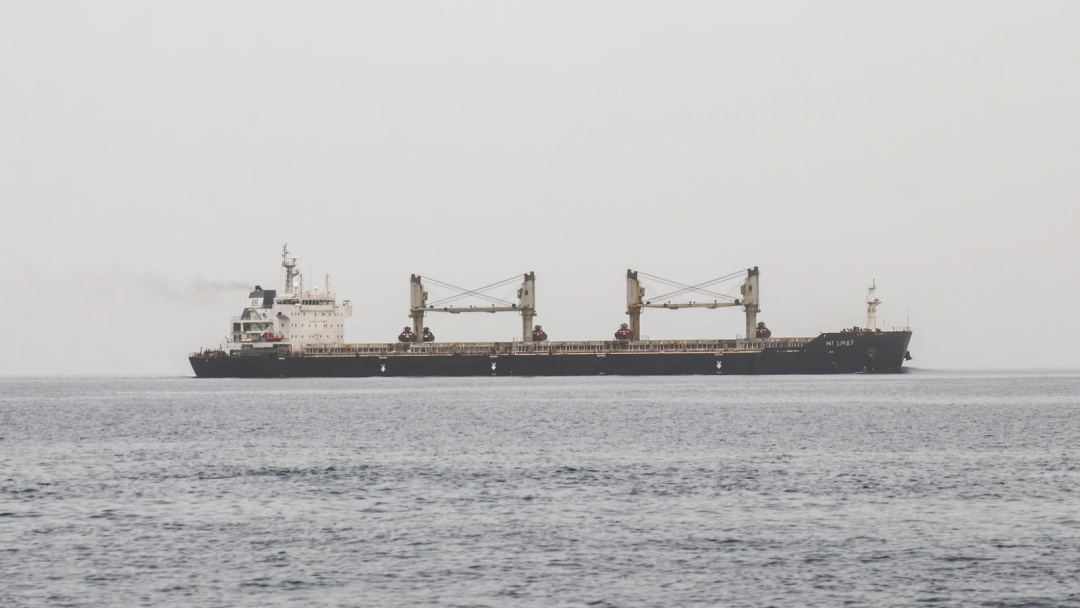
As tensions flare and oil prices surge like a rollercoaster, the Omani proposal for a regional deal to manage the Strait of Hormuz feels like a poorly written plot twist. The deal, which suggests collecting voluntary fees from ships passing through this critical waterway, has been met with skepticism. A US official swiftly rejected the idea of tolls, asserting that the strait remains an international waterway free from Iranian control. Why settle for a peaceful resolution when you can keep the conflict going and the ratings high?
And just when you think the plot couldn't get any thicker, the Gulf Cooperation Council convenes via video call to discuss the latest developments, proving that even in the face of conflict, there’s always time for a little bureaucratic bonding. Perhaps they can brainstorm new ways to spin this latest drama into a feel-good narrative for the masses. After all, the show must go on, and in the world of international politics, there’s always room for another round of military theatrics and dramatic denials.
As we watch this saga unfold, one can only wonder if the actors involved have forgotten their lines or if this is precisely the performance they intended all along. Whatever the case, the audience is left on the edge of their seats, popcorn in hand, eagerly awaiting the next twist in this ongoing geopolitical thriller. The only certainty? The world is an audience to this grand theater of absurdity, and the curtain shows no signs of falling anytime soon.