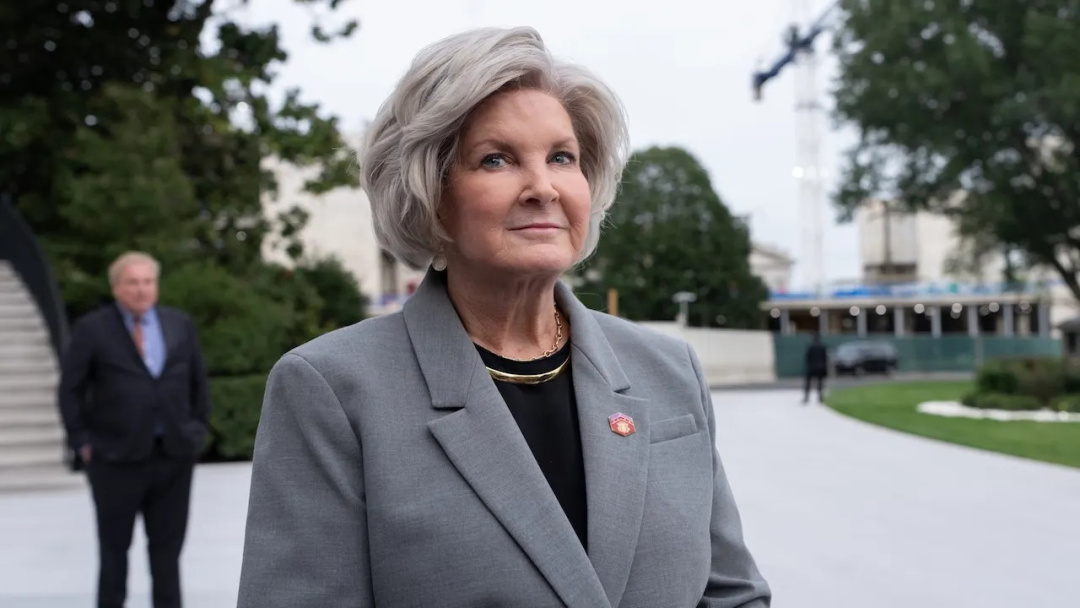
Intelligence Chief Celebrates Job Cuts as Strategic National Security Initiative
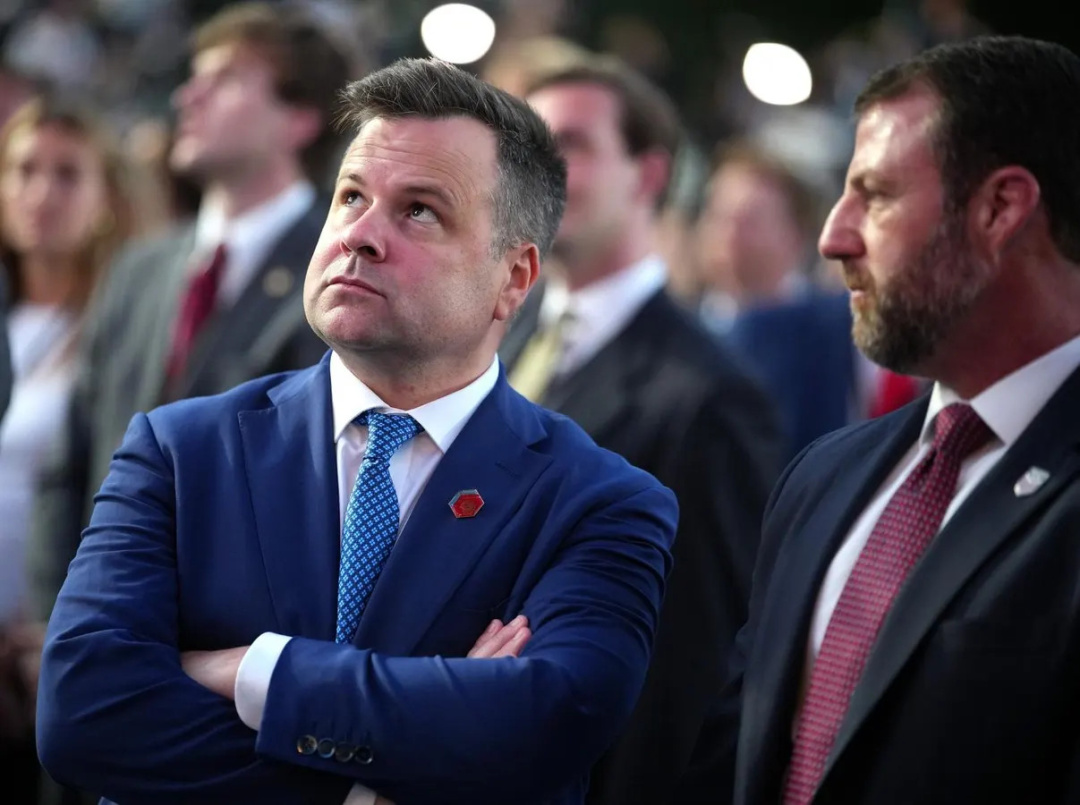
In a stunning display of what one might call "strategic workforce management," Intelligence Chief Bill Pulte has triumphantly declared the commencement of a fifth round of job cuts. This latest wave of terminations, which conveniently aligns with the administration's penchant for dramatic announcements, is being marketed as a necessary step toward enhancing national security. After all, what says "intelligence community" more than a rapidly dwindling workforce? Pulte took to social media to proclaim that the agency would soon be executing a near-final round of terminations, promising a leaner, meaner organization. It appears that in the ever-competitive world of intelligence, the motto has shifted from "the more, the merrier" to "the fewer, the better."
As Pulte celebrates this reduction of nearly 30% of his staff, one can't help but wonder about the implications for national security. According to insiders, the new streamlined agency will focus on a cutting-edge strategy: less personnel means fewer leaks, and thus, fewer headaches. Who needs analysts, scientists, and field operatives when you can rely on a handful of dedicated interns armed with TikTok accounts to gather intelligence?
Still Beats Watergate:
Sponsor success. Continue reading:
Sources close to the situation reveal that the agency's new motto is "Intelligence: Now with 30% fewer employees!" Officials have reassured the public that the remaining staff will be sufficiently caffeinated and equipped with the latest in minimalist tech—think smart pens and cloud storage—allowing them to work efficiently in their newly vacant cubicles. After all, nothing says "efficient intelligence gathering" like reduced office supplies and an open floor plan.
Critics have pointed out that this latest round of job cuts may be more about optics than actual operational efficiency. However, Pulte has firmly rebutted these claims, stating that the true goal is to encourage a culture of "creative problem-solving" among the remaining staff. With fewer people to manage, he argues, the surviving agents can devote more time to thinking outside the box—perhaps brainstorming how to detect threats using only a smartphone and a WiFi connection.
In a further twist of irony, as the agency prepares to confirm a new director of national intelligence, Jay Clayton, observers have noted that he may also need to adjust to a workplace where the only thing more fleeting than job security is the collective memory of what the agency used to do. With each job cut, the administration seems to be sending a clear message: in the world of intelligence, the only constant is change—and apparently, a drastic reduction in headcount.
As this unfolding saga continues, citizens are left to ponder the future of their national security. Will the intelligence community thrive with fewer employees? Or will the new approach lead to a national security strategy that's as thin as the remaining staff? Only time will tell, but for now, Pulte raises a celebratory toast to job cuts, hoping they will yield results that are as elusive as the information they seek. In the meantime, we can only hope that the remaining agents are ready for an exciting new adventure in a world where fewer is more, and intelligence is redefined as a game of hide-and-seek with budget cuts.